
Modern bed bugs in New York often survive standard chemical sprays due to genetic resistance. This problem forces many homeowners to choose between expensive heat tools or cheaper liquid treatments. Reclaiming your home requires picking the method that works.
A bed bug heat treatment vs chemical review shows that both methods have clear benefits for homeowners in New York City. Heat treatment uses high heat to kill all bed bug life stages in one day but offers no protection after the room cools down. Traditional chemical sprays are often cheaper but frequently fail because bed bugs have developed resistance to common pesticides. According to the EPA, the most effective approach is Integrated Pest Management which combines multiple tools. This strategy often uses heat for a fast kill and biopesticides for long-term control. Choosing between these methods depends on your budget and the prep work you can handle. Most NYC residents find that a combined plan offers the fastest path to a pest-free home without a repeat infestation.
Get a free bed bug consultation today. Call (347) 378-7070 to speak with an Ace exterminator about your treatment options.
You must understand the details of each method to make the best choice for your home. Looking at the pros and cons helps you avoid wasted money. We have broken down the bed bug heat treatment vs chemical comparison to help you start.
Bed Bug Heat Treatment vs Chemical: The Core Differences
When you find bed bugs in your NYC home, you face two main choices for removal: heat or chemical treatments. Each way uses a different path to kill bugs. While heat uses high temps to end the pest problem in one day, chemical ways use sprays to kill bugs over a few weeks. Choosing between them depends on your cost, how much work you can do to get ready, and your need for long-term safety.
How heat kills bugs fast
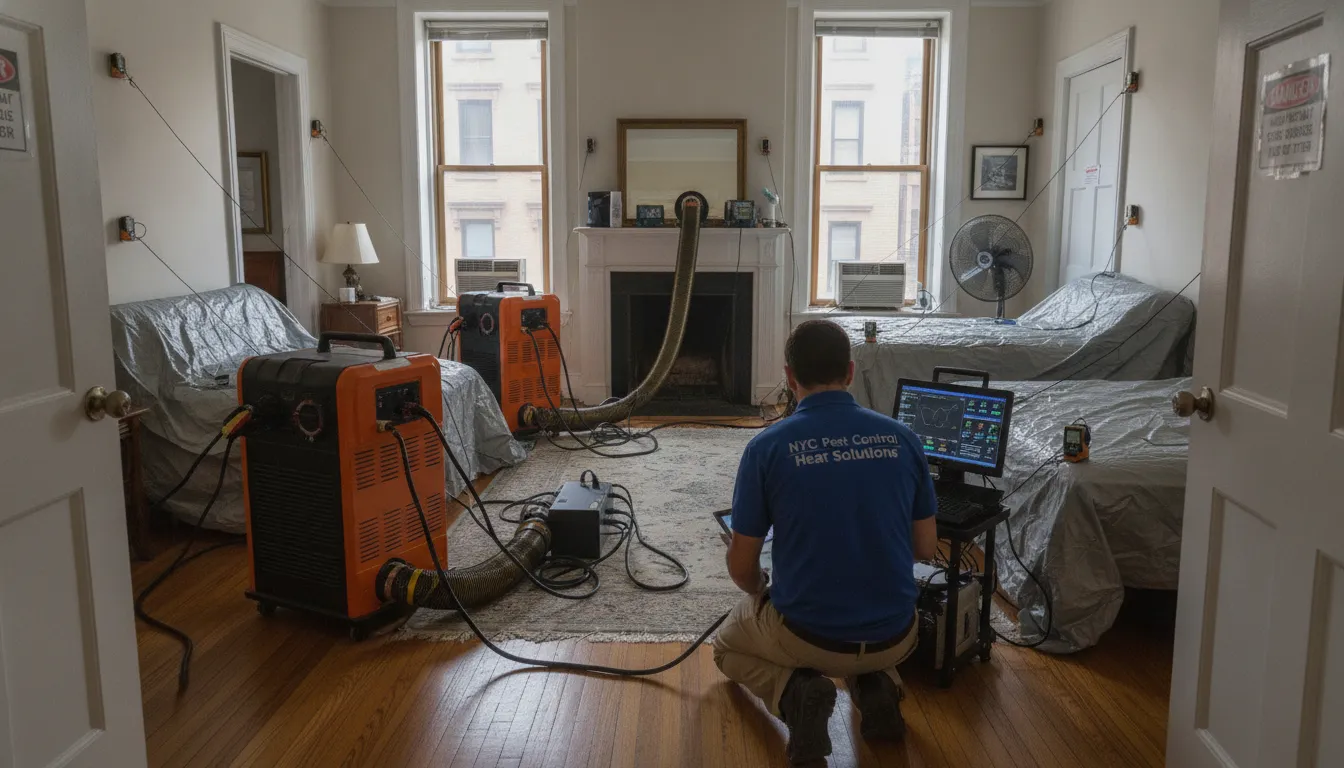
Heat treatment is a quick way to clear a home. Pros use large heaters to raise the air to a 122 degree lethal point. At this level, heat kills bed bugs at all life stages, plus their eggs. This means the job is done in one six-to-eight-hour block. Because heat moves into wall gaps and cracks, it can find bugs that hide deep inside your furniture where sprays might not reach.
But heat has a big limit. Once the home cools down, there is no stay-behind safety. If a single bug stays alive or if you bring a new one home, the pests can start again right away. This is why professional bed bug treatment in NYC often joins heat with other tools to keep bugs from coming back.
Chemical treatment and resistance
Chemical jobs are a common pick because they cost less at the start. But many bed bugs in cities like New York have built up pyrethroid resistance, making some sprays less helpful. Since sprays do not always kill eggs, most pros must visit your home two or three times to catch new bugs as they hatch. This plan can take a few weeks to finish.
Work to get ready is also a big factor. For heat, you must move out anything that might melt, like wax or spray cans. For chemical jobs, you mainly need to clear paths for the tech to reach wall edges and bed frames. Both ways need you to leave the home, but New York’s trusted bed bug specialists can help you pick which return time works best for your day.
| Feature | Heat Treatment | Chemical Treatment |
|---|---|---|
| Kill Time | One day (6-8 hours) | 2-3 visits over weeks |
| Kills Eggs | Yes, in one session | No, requires follow-up |
| NYC Cost | $1,000 – $4,000 | $500 – $1,500 |
| Prep Work | Very high (remove heat-sensitives) | Moderate (clear access) |
| Protection | Zero residual | Lasts for weeks |
| Safe Re-entry | Immediate after cooling | 4 to 24 hours |
How Does Heat Treatment Work for Bed Bugs?
Bed bugs are tough, but they cannot survive high heat. This method uses large heaters to raise the heat in a room to a point that kills the bugs. Many people look at bed bug heat treatment vs chemical options to see which works best. While chemicals have their place, heat offers a fast way to clear a home in one day.
The Science of Thermal Death
Bed bugs die when their bodies reach a certain heat level. Experts found that a heat of 122 degrees F kills these pests at all life stages. To make sure the job is done, pros keep the air between 120 and 135 degrees F for at least an hour. This high heat breaks down the bugs’ outer shell and dries them out. Because bed bugs cannot fly or jump, they have no way to escape the heat as it builds up in the room.
Deep Penetration in One Visit
One big plus of heat is that it reaches into small cracks. Chemical sprays often stay on the surface, but heat moves through walls and furniture. It can reach bugs hiding deep inside bed frames or behind baseboards. This makes it a great choice for a professional bed bug treatment in NYC where homes have many small hiding spots. Since heat kills eggs as well as adults, you often only need one visit to fix the problem.
A safe heat treatment follows a set plan to protect your home and items. Pros must be careful to avoid fire risks or damage to gear like electronics and candles. This process makes sure that the heat stays high enough to kill the bugs without hurting the home. Here are the five main steps in the process.
- Property Prep: You must remove items that might melt or burst. This includes things like spray cans, wax candles, and some medicine. You should also unplug gear to keep it safe from the high heat.
- Equipment Setup: The team brings in big heaters and high-power fans. They place these in a way that keeps the air moving. Good airflow ensures that every corner of the room reaches the right heat level.
- The Heating Phase: The heaters run until the air hits the target range. This usually takes a few hours. The goal is to heat the home slowly so that deep spots can reach the death point.
- Tracking the Heat: Experts use sensors to track the heat in many spots. They check under rugs and inside wall voids. This step makes sure no cold spots are left where bugs could hide and survive.
- Slow Cooldown: Once the work is done, the home cools down slowly. The team then does a final check to ensure the pests are gone. They look for signs of life in the most common hiding places.
While heat is very fast, it does not leave a barrier behind. Once the room cools, a new bug could walk in and start a new colony. This is why many experts use a mix of heat and long-lasting biopesticides. This approach gives you the fast kill of heat with the long-term safety of a residual treatment. By using both, you can keep your NYC home bed bug free for months to come.
Understanding Chemical and Pesticide Treatments
Chemical treatments use liquid sprays to kill bed bugs on contact. A pro will spray baseboards, bed frames, and furniture where bugs hide. This method often costs less at first than heat treatment. But it needs a lot of work and care to do well. In a big city like New York, many people pick this way to save money while they fight a bug problem.
Common Sprays and Resistance
Most old sprays fall into two groups: pyrethroids and neonicotinoids. Pyrethroids have been the top choice for years because they are cheap. But many bed bugs have built a strong resistance to pyrethroids now. This means the bugs can live even if the spray hits them. Pros now mix different sprays to try and beat this tough resistance.
Surface Limits and Hiding Spots
Sprays only work on the parts they touch. Bed bugs are great at hiding deep in walls and tiny cracks. A liquid spray cannot reach those deep spots. This is a key part of the bed bug heat treatment vs chemical choice. Heat can flow into every small space, but sprays stay on the outside. This is why professional bed bug treatment in NYC must be very slow and careful to work.
Extra Visits and Safety
Chemical work almost always needs two or three trips. A single spray rarely kills every egg. You need more visits to catch new bugs as they hatch. Each trip means you must leave your home for a few hours. Per EPA guidelines, you should wait 4 to 24 hours to go back in. This wait time helps keep your kids and pets safe from the wet spray.
Health and Pro Help
Some people worry about the health effects of these sprays. The chemicals can sometimes cause skin or lung issues if used wrong. This is why you need Ace Bed Bug Exterminating’s certified specialists to help. Pro tools like Crossfire are much better and safer than the ones you buy at a store. Experts know how to use them to kill bugs without risk to your health.
What Makes Aprehend Different from Traditional Pesticides?
Aprehend is the main tool used by Ace Bed Bug Exterminating’s ACE-certified experts to fix tough bed bug problems. It is not an old chemical spray. Instead, it is a fungal spray made of natural spores. This method is a strong choice when you look at bed bug heat treatment vs chemical sprays. It fills the gap by killing bugs well while giving long-life safety for your home.
How the spores work
The main part of Aprehend is a fungus called Beauveria bassiana. These tiny spores act like a trap for bed bugs. When a bug walks across a treated area, the spores stick to its legs and body. The bug then carries these spores back to its hidden nest. This spread reaches bugs that never leave their hidden cracks. Once the fungus touches a bug, it grows through the hard shell and kills the pest in 4 to 7 days.
This natural way to kill is different from old chemical poisons. Many bed bug groups have built up a high resistance to common sprays. Because this fungus uses a physical way to kill, there is no known resistance to it. It stays very useful even against bugs that can survive heavy doses of old sprays. Studies from the National Institutes of Health show that these spores lead to high death rates in bed bug groups.
Three months of safety
One of the biggest benefits of this method is its long life. A single use creates a barrier that lasts for up to 90 days. This is a big plus over heat treatments. Heat is great at killing bugs and eggs in one day, but it leaves no barrier behind. If you bring a new bug home the day after a heat treatment, that bug can start a new colony. Aprehend keeps working for three months to catch any late bugs or newcomers.
This long life makes it a key part of a mixed pest control plan. According to the Environmental Protection Agency, using a mix of tools is the best way to control bed bugs. The 90-day barrier means we do not need to visit your home as often as with old chemicals. Most old sprays need two or three visits to catch new bugs as they hatch. With this fungal barrier in place, the first visit often does the full job.
Safety and low prep
Safety is a top focus for NYC families. Aprehend has a low-risk label from the EPA. It is not toxic to people and pets once the spray has dried. This makes it a very safe choice for bedrooms and living spots. You only need to stay out of the treated rooms for four hours. This is much shorter than the long wait times often needed for heavy chemical fogs or sprays.
The prep work for this treatment is also very simple. Heat treatments need you to move furniture, take down art, and pack many items. Old sprays often need you to empty every drawer and closet. For an Aprehend treatment, you can leave most of your items in place. You do not need to do hours of packing or moving before we arrive. This makes the process much less stressful for people living in busy NYC homes.
Why an Integrated Approach (IPM) Delivers Better Results
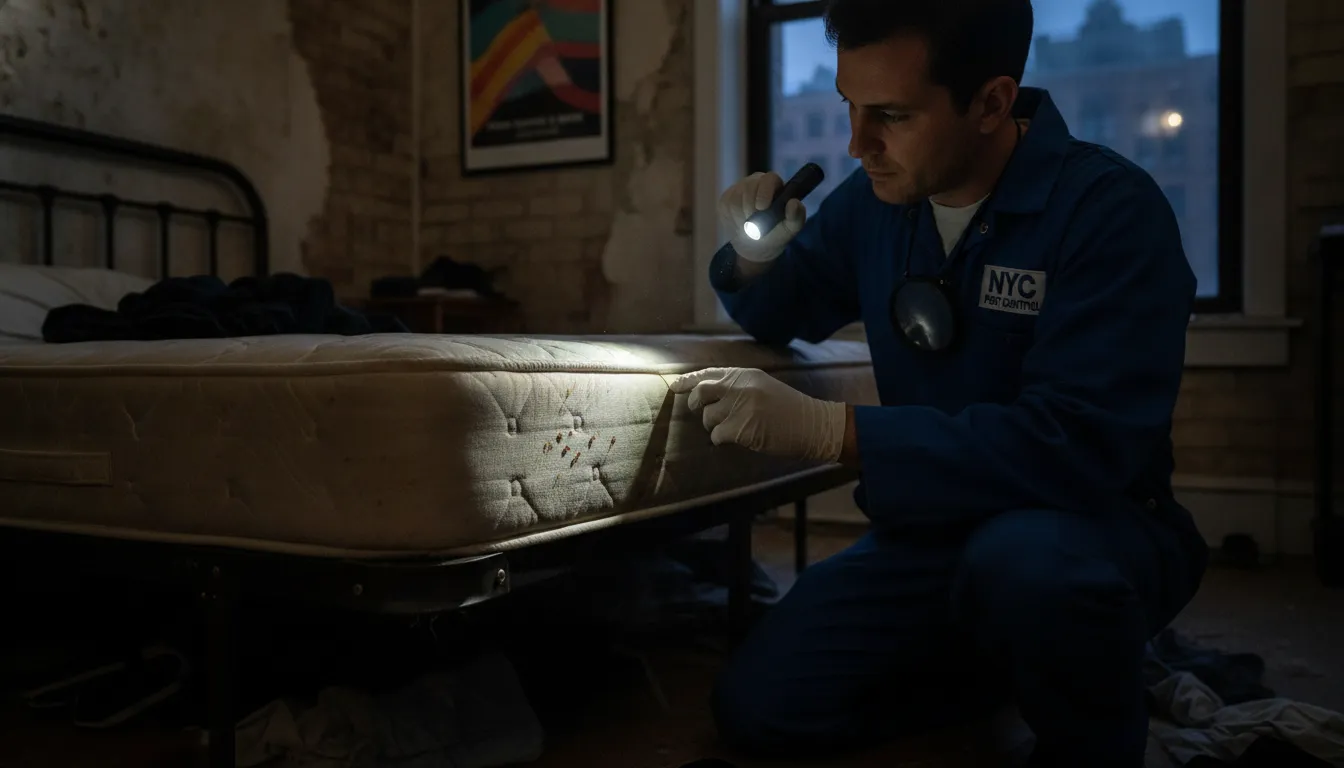
Integrated Pest Management (IPM) is the smartest way to clear bed bugs from your home. This method does not rely on just one tool. Instead, it uses a mix of tactics to find, kill, and block pests. By combining methods, you get the speed of heat and the lasting power of biopesticides. You do not have to choose one path when a combined plan works better.
Combine Tools for Success
When you choose a treatment, you often feel you must pick between heat or sprays. But a combined plan means you do not have to choose. You can have the benefits of both. Heat is great for a fast kill. It hits lethal temperatures of 122°F to kill bugs on contact. However, heat has no lasting power. Once the room cools, new bugs can move back into the space.
That is why Ace adds a biopesticide to the plan. We use Aprehend to create a 90-day long barrier. This barrier catches any bugs that survived the heat or hatched from eggs later. The mix kills active bugs now and keeps killing them for months. Using both tools ensures your home stays clear long after the pros leave.
EPA Backs the IPM Path
The Environmental Protection Agency (EPA) clearly backs Integrated Pest Management for bed bug control. The EPA notes that IPM is more useful and carries fewer risks than using sprays alone. Since bed bugs have developed strong resistance to common sprays, a single-method plan often fails to work.
IPM focuses on the life cycle of the pest. It combines natural and physical tools to get the best result. This science-based path is why experts prefer it for tough NYC problems. It reduces the need for harsh chemicals while keeping the kill rate high. Peer-reviewed studies show that this method reaches a high success rate in just two weeks.
The Ace Plan for Bed Bugs
At Ace Bed Bug Exterminating, we have refined our IPM plan over 12 years. Our team of Ace Bed Bug Exterminating’s certified specialists starts every job with a deep check. We find the exact spots where bugs hide. Then, we set up a full plan to clear the home. Our primary method uses a biopesticide made from fungal spores. These spores stick to the bugs and kill them within days.
This full plan is why we have helped over 9,500 customers in the New York area. Our plan includes a few key steps:
- Full check of all rooms and furniture.
- Primary use of Aprehend fungal spores.
- Focused use of heat or steam for known hotspots.
- Follow-up checks to ensure the bugs are gone.
- Expert advice on how to prevent new problems.
We do not just spray a room and leave. We set up a system that monitors for new bugs and stops them from coming back. This thorough care is what makes the difference for a long-term fix. You get a home that is safe, clean, and free of pests.
Which Treatment Is Better for NYC Homes: Heat or Chemical?
Choosing a bed bug treatment in New York City is a big decision. With many options available, you must weigh cost, safety, and speed. A professional inspection is always the first step to find out how bad the problem is. Our certified specialists at Ace Bed Bug Exterminating have served over 9,500 customers and can help you find the best path forward.
Consider Your Building Type
In NYC, where you live changes how you fight bed bugs. If you live in a large apartment building, bed bugs can travel through wall voids to reach your neighbors. In these cases, a treatment with a long-lasting barrier is vital. We often suggest a professional bed bug removal service that uses methods like Aprehend. This biopesticide stays active for up to 90 days to catch bugs as they move between rooms or apartments.
For a single-family house, you may have more choices. Heat treatment can kill all bugs in one day, but it leaves no protection once the home cools down. This is why the Environmental Protection Agency (EPA) suggests using Integrated Pest Management (IPM). This approach uses many tools to make sure the bugs do not come back after the first visit.
Check Your Budget and Timeline
Cost is another key factor for many NYC families. Standard chemical treatments often cost between $500 and $1,500. While they are cheaper at first, they often need two or three visits to kill new bugs that hatch from eggs. Heat treatments are faster but cost more, usually ranging from $1,000 to $4,000 in the local market. If you need the job done in one day and have the budget, heat might be the right call.
Urgency also matters when you can no longer sleep. Same-day service can stop the bites right away. However, you must also think about the work you need to do before the pros arrive. Heat treatments require you to move heat-sensitive items like electronics and medications. If you want a method with less prep work, our biopesticide treatments allow you to keep most of your items in place while still getting full results.
Think About Health and Safety
Your family’s health should always come first. Some people have respiratory issues or skin sensitivities that make them wary of traditional sprays. In these cases, eco-friendly options are a great fit. Our primary method has an EPA reduced-risk status, making it a safe choice for homes with pets and children. It uses a natural fungus to target bugs without the use of harsh toxins or high heat that could damage your property.
Frequently Asked Questions
How much does bed bug heat treatment cost vs chemical?
Heat treatments usually cost between $1,000 and $4,000 in the New York City market. Chemical sprays are often cheaper but typically need more than one visit to work well. As the EPA advises, using an integrated approach combining multiple methods offers the best long-term value.
Do I need to leave my home during bed bug heat treatment?
Yes, you must leave your home while the pros heat your rooms to 122 degrees or higher. This high heat can be risky for people, pets, and some household items. You can return once the home cools down, usually the same evening.
Can bed bugs survive heat treatment?
Bed bugs cannot survive sustained heat at or above 122 degrees F when maintained for at least an hour. Professionals use multiple sensors to ensure every area reaches the lethal temperature, leaving no cold spots where bugs could survive.
Which bed bug treatment works faster: heat or chemical?
Heat treatment works faster, eliminating all bed bug life stages in a single 6-8 hour session. Chemical treatments require 2-3 visits over several weeks because sprays do not kill eggs, requiring follow-up visits to catch newly hatched bugs.
Is Aprehend safer than traditional bed bug sprays?
Yes, Aprehend carries an EPA reduced-risk classification. It uses natural Beauveria bassiana fungal spores rather than synthetic chemical toxins. Once dried, it is not toxic to humans or pets, and rooms are safe to re-enter after just 4 hours.
Ready to Schedule a Free Consultation for Bed Bug Treatment?
Choosing between heat and chemical treatments does not have to be a solo decision. Ace Bed Bug Exterminating has helped over 9,500 NYC homeowners find the right solution for their specific situation. Our certified specialists assess your home, identify the infestation level, and recommend the most effective approach using our integrated pest management system.
Whether you need the immediate power of heat treatment, the long-lasting protection of Aprehend biopesticide. Or a combined plan for maximum results, we have the expertise to get the job done right. All of our treatments come with a follow-up plan to ensure your home stays bed bug free.
Take the first step toward a bed bug free home. Call (347) 378-7070 or schedule your free consultation online today.