
When bed bugs interrupt sleep, the hardest part is often not knowing what happens next. Residential bed bug treatment Queens service typically moves through inspection, a property-specific treatment plan, and follow-up monitoring. Knowing the resident’s role in each phase can make an urgent appointment more manageable.
This guide is for Queens homeowners and renters who want to prepare their rooms, protect household members and pets, understand the treatment conversation, and know what to record after the visit. It focuses on the residential service experience, not a general list of ways to eliminate bed bugs.
Short answer: Expect the provider to first confirm where activity is present, then explain preparation and treatment choices for the home, followed by re-entry and monitoring instructions. Do not move belongings to another room while you prepare.
Bed bugs are not known to spread disease, and their presence is not a reflection of cleanliness. The CDC explains that anyone can encounter bed bugs.
Contact Ace Bed Bug Exterminating about residential bed bug treatment Queens
What Should You Do Before the Residential Treatment Appointment?
The most useful first step is to create a clear record. Note where you saw a live insect, stain, shed skin, or other sign, along with the date and room. Take a focused photo when possible. If you rent, keep copies of messages sent to the landlord or property manager. This information gives the inspection a practical starting point without requiring you to diagnose the infestation yourself.
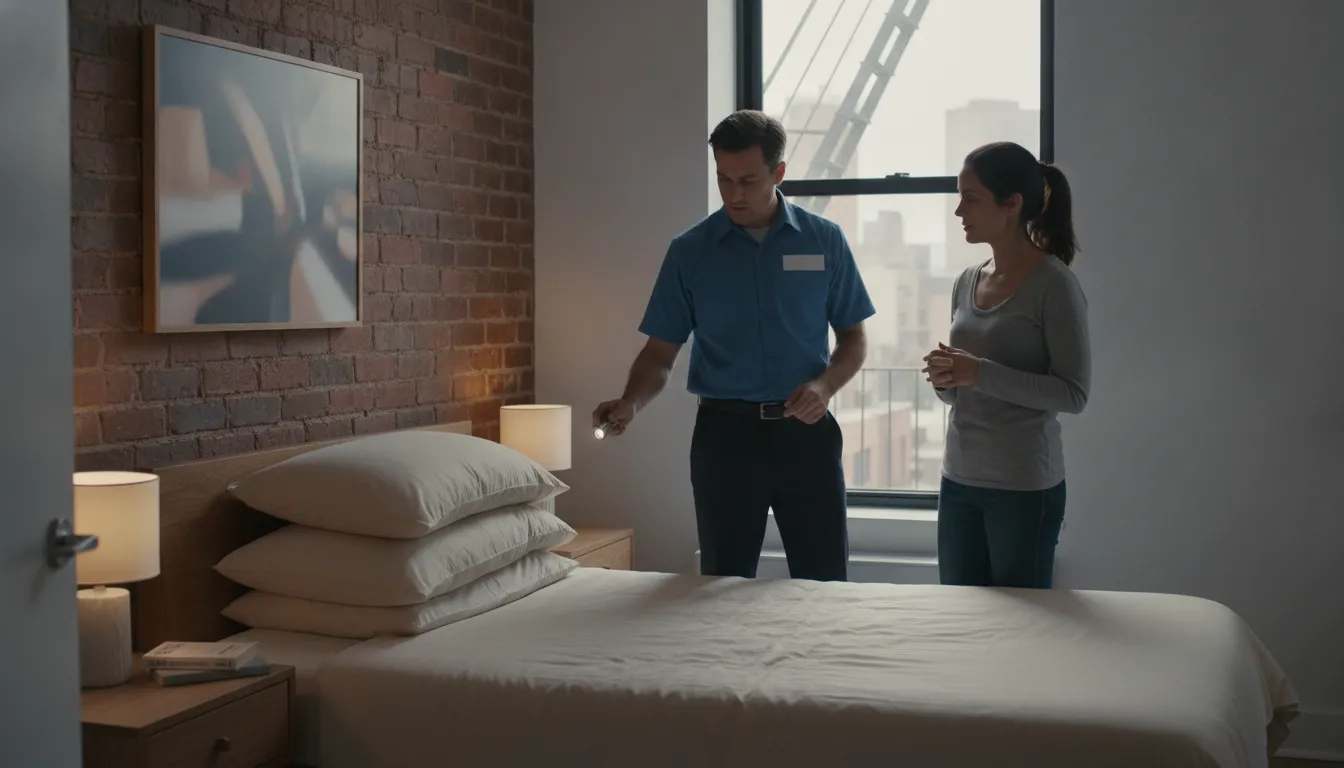
Ask what access the specialist needs, which rooms should be available, whether anyone must leave temporarily, and how pets should be handled. The provider’s instructions for your property and treatment method take priority over generic online checklists. If you have questions about the inspection itself, review what a professional bed bug inspection covers before the appointment.
How Does the Inspection Set the Household Plan?
The inspection is the point where a broad concern becomes a household-specific plan. A trained specialist looks for signs around mattresses, box springs, bed frames, furniture, cracks, crevices, and other likely hiding places. The review considers activity, location, and the condition of the rooms. Bites alone cannot show how extensive activity is, so the inspection should connect visible evidence with the areas that need attention.
Residents should expect questions about sleeping arrangements, recent observations, previous treatment, and rooms that may have received moved furniture or belongings. Answer as accurately as possible. There is no benefit in hiding a detail because bed bugs are not a cleanliness judgment. For a Queens apartment, the findings may also show that communication with management or inspection of nearby units needs to be part of the next step.
The result should be a clearer explanation of preparation, treatment, re-entry, and follow-up. It may also explain what the provider is not recommending. A careful plan is more useful than an automatic promise of a single method or a single visit.
What Is the Safest Way to Prepare Rooms and Belongings?
Preparation is mainly about access and containment. It should not become a reason to carry loose belongings through the home. Work from the instructions supplied for your appointment, then use this resident-focused sequence:
- Open access around sleeping areas. Clear floors and the spaces around beds, sofas, and other areas named by the treatment team. Reduce clutter in place when possible rather than shifting it to another room.
- Contain items before moving them. Place clothing, bedding, and other potentially affected items in sealed plastic bags or containers before taking them to another location. Do not use an apartment hallway, neighbor’s unit, or car as temporary storage.
- Handle laundry according to care labels. A household dryer on high heat for 30 minutes can treat dryer-safe items. Washing alone may not kill bed bugs. Once treated, keep clean items sealed until the provider explains when and where they can be returned.
- Remove unnecessary cardboard. Discard unwanted boxes only as directed, and do not leave filled bags in a hallway or entryway. Keep needed belongings contained instead of creating new piles.
- Keep beds accessible. If the service instructions call for it, move the bed away from the wall, keep bedding off the floor, and place interceptors under bed legs. Do not dismantle furniture unless the treatment team asks you to do so.
- Finish with a question check. Before the appointment, identify anything you are unsure about, such as a crib, medical equipment, aquarium, pet bedding, or a sealed storage container. Ask before making a last-minute move.
For more detail on room access, compare this room-by-room apartment preparation checklist with the instructions for your own service visit.
How Do Treatment Choices Affect Your Treatment Day?
Residents do not have to choose a method from a menu before the inspection. The treatment conversation should connect the observed activity with the home, the belongings involved, and the people and animals who use the space. Ace may consider targeted Aprehend biopesticide, heat, steam, or an Integrated Pest Management plan when those options fit the findings and service requirements.
| Approach | Resident expectation | What guides the decision |
|---|---|---|
| Targeted biopesticide and IPM | Expect targeted applications, preparation instructions, and an ongoing monitoring role rather than a hands-off visit. | Inspection findings, access to hiding places, and the need for a coordinated plan. |
| Professional heat | Expect instructions about belongings, people, pets, heat-sensitive items, and access during the work. EPA guidance describes heating to at least 120 degrees F for 90 minutes as a way to ensure eggs are killed. | Rooms or articles involved, treatment conditions, and whether the property can be prepared safely. |
| Steam or localized treatment | Expect the method to address identified areas as part of a wider plan, not as an automatic answer for every room. | Confirmed hiding places and how localized work fits the inspection and monitoring plan. |
EPA guidance on bed bug IPM emphasizes inspection, prevention, monitoring, and appropriate control options. If you are comparing professional help with DIY work, this guide to professional versus DIY bed bug control can help you frame questions without assuming that every home needs the same response.
What Do Occupants and Pets Need to Do on Treatment Day?
Plan for people and pets to leave temporarily if the provider requires it. The exact arrangement depends on the treatment method, products or equipment used, rooms involved, ventilation needs, and the technician’s instructions. Make a simple departure plan for children, older adults, anyone with respiratory concerns, and animals. Take only the necessities you are told to take, and do not move loose belongings into another room or home.
Before the specialist begins, point out medical equipment, aquariums, pet areas, sleeping spaces, and any item that cannot be moved. Ask which surfaces should remain untouched and what the written re-entry instructions will cover. Do not rely on a general number of hours found online. Return only when the treatment team says it is appropriate for the specific service visit.
After re-entry, follow directions about ventilation, treated surfaces, bedding, food, and pet supplies. Resident participation is part of the control plan. A question asked before cleaning or rearranging a room is safer than an assumption that removes the treatment’s intended protection.
What Happens After Service and at Follow-Up?
The first visit is not the end of the resident’s role. Bed bug eggs can resist many control methods, so monitoring and follow-up matter even when bites stop or no live insects are immediately visible. Keep potentially affected items contained, avoid moving furniture between rooms, and follow the written care instructions.
How should you monitor the sleeping area?
Interceptors under bed legs can help reveal activity. The EPA recommends keeping the bed away from walls, keeping bedding off the floor, and using interceptors as part of monitoring. Check them on the schedule provided by the treatment team and record what you find. If you see a live insect, save a clear photo or specimen when possible rather than relying on memory.
What should a follow-up visit accomplish?
A follow-up gives the provider an opportunity to review observations, revisit known hiding places, and decide whether additional work or updated instructions are appropriate. It is not a reason to panic when you receive one. Control can require patience and cooperation. Learn more about bed bug follow-up treatment expectations before judging progress from a single day.
What Should Queens Renters Document in a Multifamily Home?
Renters should report suspected activity promptly and keep the report factual. Record the room, date, observed sign, inspection date, treatment date, instructions received, and any later observation. Request written preparation and re-entry directions if they are not already provided. This record helps residents, property managers, and treatment professionals discuss the same facts.
Do not carry bedding, bags, furniture, or clothing into another apartment while waiting for instructions. In multifamily housing, management may need to coordinate access, inspect connected units, and maintain a consistent communication path. EPA guidance notes that diligent participation from building management is important to bed bug IPM in multifamily settings.
Residents can review this background on New York City landlord and tenant bed bug duties, while remembering that property-specific legal questions should go to a qualified adviser. The practical goal is coordinated access, careful containment, and fast communication when new evidence appears.
Every Queens home has different rooms, belongings, occupants, and preparation needs. A conversation with Ace can help you understand the inspection step and the questions to ask before service.
Contact Ace Bed Bug Exterminating about residential treatment in Queens
FAQs About Residential Bed Bug Treatment Queens
What should I do before residential bed bug treatment in Queens?
Document what you noticed, follow the provider’s preparation instructions, reduce clutter without moving belongings to another room, and keep potentially affected items contained. Do not discard furniture or belongings unless the treatment team advises it.
Do people and pets need to leave during bed bug treatment?
People and pets may need to leave temporarily. The treatment team will give property-specific instructions based on the method, products, equipment, and rooms involved. Follow those directions for departure and re-entry rather than using a general online estimate.
How long does it take to know whether treatment worked?
Bed bug control takes time. Follow the written care instructions, monitor for signs, and attend recommended follow-up visits instead of judging the result after one day. Share new evidence with the provider promptly.
What should Queens renters do about bed bugs?
Renters should report suspected activity promptly, avoid moving belongings between rooms, request written instructions, and document inspections, treatment dates, and observations. In a multifamily building, cooperation with management helps coordinate access and follow-up.