
Finding a dark mark on a mattress seam, a cast skin near the bed, or a run of unexplained bites can make a Manhattan apartment feel uncertain. Bites alone do not confirm bed bugs because they can resemble mosquito or flea bites. Physical evidence, repeated activity, and the possibility of spread through shared walls are stronger reasons to seek an inspection.
Call a professional when you find a bed bug or credible signs, activity returns after a do-it-yourself attempt, or more than one room or apartment may be involved. A bed bug exterminator Manhattan NY residents can trust should start with an inspection, explain the findings, and recommend an Integrated Pest Management plan suited to the property.
This guide is for deciding when help is warranted. It is not a replacement for the bed bug removal service page, which explains the broader offer. Use the sections below to assess evidence, compare treatment approaches, prepare without spreading bugs, and ask useful questions before booking.
Contact Ace Bedbug Exterminating to discuss a situation-specific inspection.
When Should You Call a Bed Bug Exterminator in Manhattan NY?
Schedule a professional inspection when you see a live insect, find dark specks or shed skins near a sleeping area, notice fresh stains that keep returning, or observe activity in more than one room. Repeated bites without physical evidence also justify an evaluation when the concern is disrupting sleep or prompting repeated cleaning. An inspection can help separate bed bugs from other insects and skin reactions.
Physical evidence is more reliable than bites alone
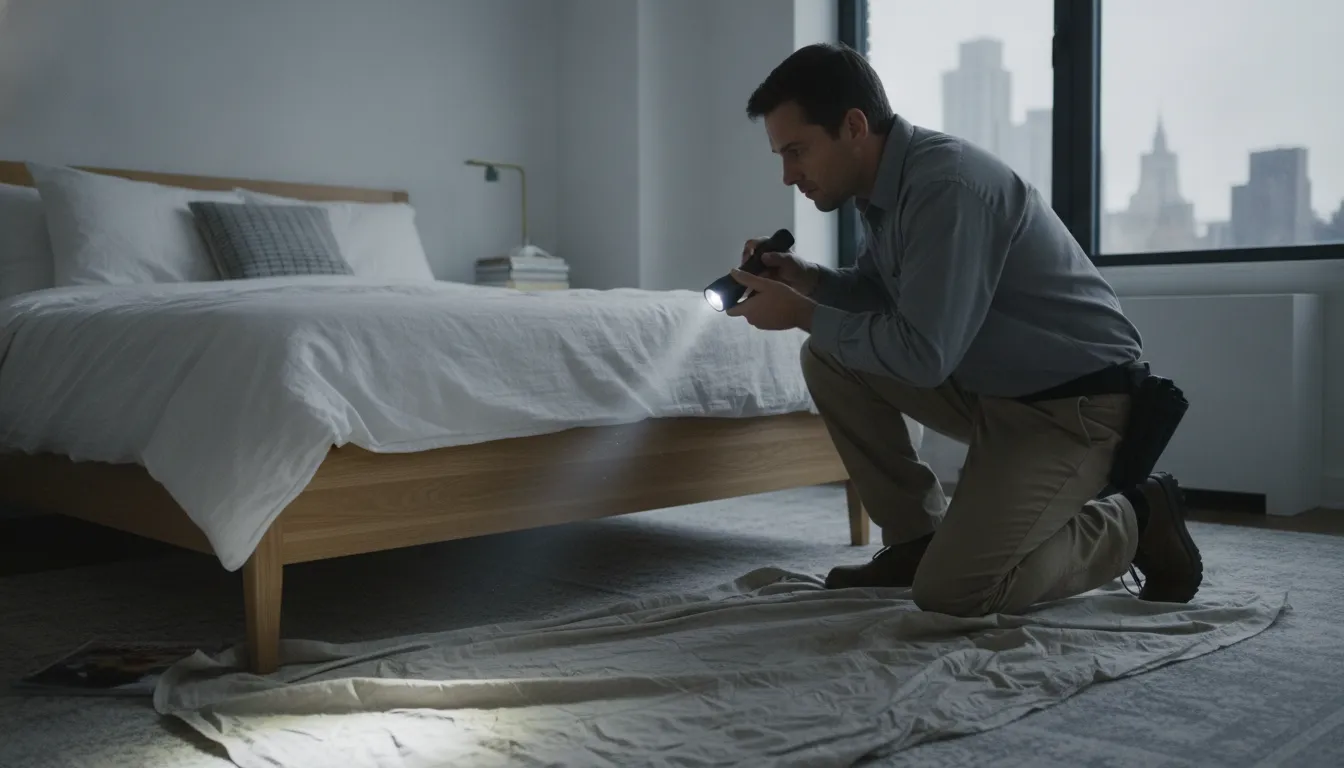
Check mattress seams, box springs, bed frames, headboards, nearby furniture, baseboards, and cracks. Bed bugs may leave dark spots, pale cast skins, eggs, or small rusty marks on sheets. The Mayo Clinic describes these signs as useful clues. If you find an insect, photograph it and preserve the specimen in a sealed container when possible.
The CDC notes that bites can resemble bites from other pests and may not appear immediately. People also react differently. One resident may have visible marks while another has none. Do not use a lack of bites, a clean room, or a few quiet nights as proof that an infestation is gone.
Recurrence and shared walls raise the stakes
Call sooner when activity returns after vacuuming, laundering, a store-bought spray, or moving furniture. Those actions may remove some evidence without reaching hidden insects or eggs. In a Manhattan apartment, beds, bags, sofas, and clothing can also move activity between rooms or units. Avoid discarding furniture or carrying loose belongings through hallways until you have a plan.
A professional bed bug inspection in NYC should consider the sleeping area, adjacent furniture, cracks, and the building layout. It should also clarify what is known, what remains uncertain, and what residents or building staff should do next. Bring the address, room locations, sighting dates, and any steps already taken to the first conversation.
Which Bed Bug Treatment Fits a Manhattan Home?
The right approach depends on the inspection findings, surfaces, furnishings, occupants, and access conditions. Integrated Pest Management, or IPM, combines inspection, physical measures, targeted applications, and monitoring instead of assuming one product solves every infestation. The EPA bed bug IPM guidance explains why life cycle, surroundings, and follow-up matter.
| Approach | May fit when | What to understand |
|---|---|---|
| Targeted IPM | An inspection identifies harborages and activity patterns. | It combines methods and monitoring. Preparation and follow-up are part of the plan. |
| Biopesticide application | A specialist determines that the product fits the surfaces and occupants. | It requires professional application and does not replace inspection or monitoring. |
| Heat treatment | Structure, contents, and access support controlled heat. | Heat-sensitive items and untreated adjoining areas require careful planning. |
| Steam treatment | Specific seams, cracks, or furnishings need localized treatment. | Technique and access limit coverage. It is usually one part of a broader plan. |
| DIY-only response | You are preserving evidence or taking immediate low-risk steps. | Scattered sprays, foggers, and moving items can complicate containment. |
Methods may be combined. For example, targeted treatment can be paired with monitoring, preparation, and physical measures rather than relying on a single product. Do not choose based only on a product name or a promise of instant results. Ask what the inspection found, why the method fits the apartment, and how follow-up will confirm progress.
The Ace Bedbug Exterminating team page provides company context, while the service area page helps Manhattan residents understand the locations served. A useful recommendation should also account for access, resident cooperation, and what happens if activity is found outside the first room. Those details can matter as much as the treatment label in a high-density building.
Why Are Manhattan Apartment Infestations Harder to Contain?
In a multifamily building, the room where someone first notices a bite may not be the only relevant space. Bed bugs can hide around bed frames, baseboards, wall openings, furniture, and utility penetrations. Shared walls and adjoining units create more opportunities for activity to persist, although a nearby apartment should not be labeled infested without evidence.
Coordinate access without spreading belongings
Residents, landlords, and property managers may need to coordinate access, notifications, common areas, and follow-up observations. Ask who will document the inspection and how findings will be shared. Keep mattresses, sofas, luggage, bags, and clothing in place unless written instructions say otherwise. Carrying loose items through an elevator or hallway can make containment more difficult.
Record the date, room, location, and type of evidence. Clear photos help an inspector understand what prompted the call. Note bites separately from physical signs because bites are not a diagnosis. A building-aware plan should identify areas to inspect, the people responsible for access, and what new activity should trigger a follow-up.
Do not treat cleanliness as a test
The CDC explains that cleanliness does not determine whether bed bugs are present. A tidy home can have bed bugs, and clutter reduction alone does not eliminate them. Focus on preserving evidence, limiting movement, following instructions, and communicating with the building team. That approach is more useful than blaming residents or treating one visible room in isolation.
Good coordination also reduces confusion between residents and management. Ask whether a point person will collect reports, how notices will be delivered, and whether adjoining spaces need inspection. Keep a simple record of calls, photos, instructions, and observed changes. Clear records help a professional distinguish new evidence from old reports and make the next recommendation more precise.
Timing matters, but panic is not a treatment plan. If you discover evidence late at night, preserve it, avoid moving belongings, and write down what you observed. The next day, contact the appropriate building representative and request an inspection plan. If you are renting, keep communication in writing when possible. If you own the unit, ask whether building rules require notice or coordination. These steps create a clear handoff without making an unconfirmed diagnosis or accusing a neighbor.
How Should You Prepare Before Inspection or Treatment?
Preparation should make likely hiding areas accessible without scattering belongings. Follow the provider’s written instructions because the exact steps depend on the method and the property. These six actions are a practical starting checklist:
- Preserve evidence. Photograph insects, dark specks, cast skins, and stains before cleaning. Keep a specimen sealed if possible.
- Keep items contained. Bag clothing and bedding before moving them through the building. Do not place loose items in another room.
- Reduce clutter carefully. Clear floors, under-bed areas, seams, and baseboards while keeping removed items contained in the same room.
- Handle laundry safely. Ask which items should be washed or dried and which heat settings are appropriate. Do not assume every appliance provides the same result.
- Provide access. Clear pathways to beds, sofas, closets, baseboards, and nearby rooms. Tell the specialist about areas that cannot be entered.
- Plan for occupants. Ask what to do with children, pets, food, aquariums, medications, and personal items. Follow the written re-entry instructions.
Do not add sprays or foggers unless the specialist specifically approves them. The EPA emphasizes that bed bug control takes time and patience because eggs can resist many control methods. Preparation is not a housekeeping test. It is a way to help the inspection and treatment cover the right places.
Do not throw out a mattress or sofa simply because it is suspected. Removing furniture can spread insects through hallways and may eliminate evidence that helps identify harborages. If an item must be discarded, ask for instructions about sealing, labeling, and transport. The safest preparation step is the one that follows the selected treatment plan and building rules.
Before the appointment, make a short list of rooms, furniture, and belongings that need special handling. Mention recent travel, visitors, secondhand items, or moves if they may help establish a timeline. Do not hide or clean away evidence to make the apartment look ready. An honest account of what happened gives the inspector a better starting point.
What Should You Ask Before Booking a Manhattan Bed Bug Exterminator?
A careful pre-service conversation helps you compare plans without choosing on price or urgency alone. Ask whether the first visit includes an inspection of sleeping areas, nearby furniture, cracks, baseboards, closets, and other likely harborages. Ask how findings will be documented and what would change the recommended treatment.
Why is this treatment method recommended for my apartment?
The provider should explain how the inspection, apartment layout, surfaces, occupants, and activity pattern led to the recommendation. If a product will be applied, ask where it will be used, whether it is registered for that intended use, and what preparation and re-entry instructions apply.
What happens after the first treatment?
Ask when monitoring or a follow-up inspection occurs, what signs to report, and how new evidence changes the plan. A responsible provider should explain the expected process without guaranteeing instant results.
How will you coordinate a multifamily building?
Ask who handles access to adjoining units or common areas, how residents receive instructions, and what records the property manager receives. Clear coordination helps prevent a treated apartment from being handled in isolation.
What do the preparation and service terms include?
Request written preparation instructions and ask what any warranty or satisfaction guarantee covers, how long it lasts, and what follow-up conditions apply. Do not rely on a general promise that the apartment will be ready at a fixed time. Re-entry depends on the method and the written directions.
Contact Ace Bedbug Exterminating to discuss a Manhattan inspection and next steps.
Frequently Asked Questions
Is it worth getting a professional bed bug exterminator?
Professional help is worth considering when you find physical evidence, activity returns after a DIY attempt, the diagnosis is uncertain, or shared walls make containment difficult. A specialist can inspect likely hiding areas and build a plan around the property instead of relying on bites or a single visible room. Before booking, gather the address, building type, rooms affected, dates of sightings, and steps already taken. That information helps the conversation start with useful facts.
How much does a bed bug exterminator cost in Manhattan?
Cost varies with the extent of activity, property size, treatment method, and number of visits. Ace Bedbug Exterminating does not publish a fixed rate in the available customer information. Ask for a written explanation of what the recommended service includes rather than relying on a generic price.
How quickly should I call for professional bed bug help?
Call promptly when you find a live bug or credible signs, especially in a multifamily building. Prompt inspection can clarify the issue before residents move furniture, discard belongings, or treat multiple rooms. Same-day availability may depend on scheduling and location, so confirm timing directly.
Who is responsible for bed bug treatment in an apartment?
Responsibility can depend on the lease, building rules, and local requirements. Notify the landlord or property manager promptly, keep records, and ask who will coordinate inspection and access. Do not assume a resident or a neighboring unit is responsible without reviewing the applicable agreement and evidence.
Can I prepare for treatment without leaving my apartment?
Preparation requirements vary. Ask the provider what must be bagged, laundered, moved, or removed and when residents, children, and pets must leave. Follow the written re-entry instructions for the selected method rather than using a general estimate.