
Bed bugs do not reflect poor housekeeping, and they can move through single-family homes, apartments, hotels, and other shared spaces before anyone notices the first signs. Fast, careful identification matters because missed harborages can allow an infestation to continue spreading.
When you need a bed bug exterminator Westchester County NY homeowners and property managers can rely on. Choose a bed-bug-focused team that begins with a detailed inspection and uses an Integrated Pest Management approach. Ace uses EPA-approved, eco-friendly treatments, including Aprehend biopesticide with 90-day residual protection, while setting realistic expectations for elimination over several visits.
Ace serves Westchester County with specialized expertise for homes, rentals, and commercial properties. Understanding how bed bugs arrive and spread locally is the first step toward choosing the right response for your situation.
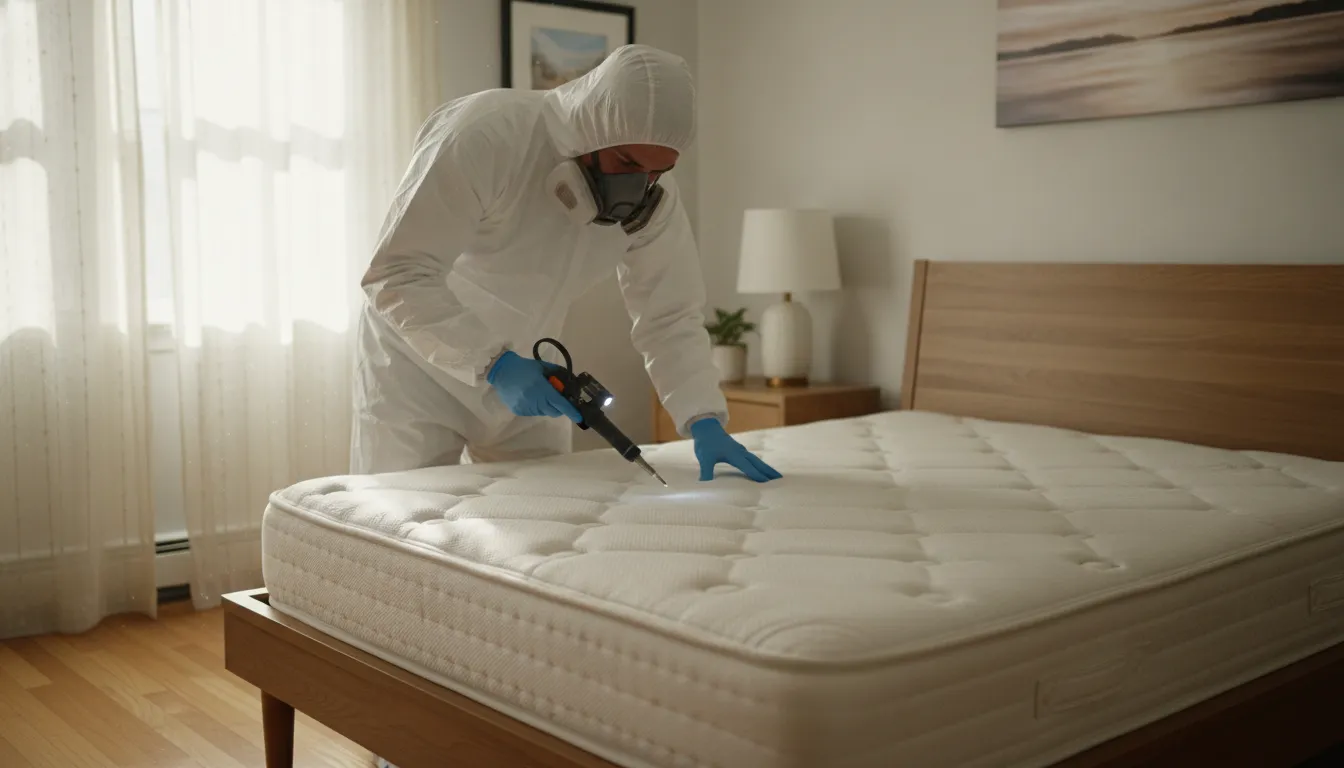
Schedule a professional bed bug inspection in Westchester County today
Why Westchester County Homes See Bed Bug Problems
Bed bugs are not limited to crowded city apartments or older buildings. Westchester County homes can experience infestations because residents routinely move through connected travel and housing networks. Daily commuting into Manhattan, regional rail and bus routes, overnight stays. And visits between family members all create opportunities for bed bugs to travel unnoticed in luggage, clothing, and personal belongings. Travel exposure does not mean a home is unclean, and a single introduction can affect a carefully maintained household.
Multi-dwelling buildings face an additional challenge. Bed bugs may remain hidden inside bedrooms, furniture, wall voids, or other sheltered spaces while an infestation is still small. In an apartment or attached building, activity can spread silently when residents, belongings, or building pathways connect neighboring units. That makes early inspection and coordinated treatment especially important for renters, landlords, and property managers. The New York bed bug removal guide explains why prompt, structured control matters across different property types.
Bed bugs can multiply before anyone notices
Bed bugs feed on blood meals from warm-blooded hosts, typically humans. They are adapted to remain concealed during the day and emerge when a host is available, so their presence may go unnoticed at first. A female can lay about five eggs per day in protected locations such as mattress seams, box springs, crevices, and spaces beneath baseboards. Those eggs can hatch in approximately 4 to 12 days.
Newly hatched nymphs do not become adults immediately. Bed bugs pass through five nymphal stages, and each stage requires a blood meal before molting to the next one. This overlapping life cycle is why seeing only one or two insects does not necessarily mean the problem is small. Hidden eggs and developing nymphs may remain after visible adults are removed.
Why a quick response matters in Westchester buildings
In a single-family home, an overlooked bedroom, guest room, or upholstered item can allow the infestation to persist. In a multi-unit setting, delays can give bed bugs more time to move or be carried into adjacent spaces. Professional elimination typically takes 2 to 4 weeks over several visits, rather than relying on a one-time assumption that every life stage has been reached.
If you notice unexplained bites, cast skins, dark spotting, or live insects after travel or a move, arrange an inspection promptly. A bed bug exterminator Westchester County NY homeowners can rely on should assess the full setting. Not just the mattress, and create a treatment plan suited to the property.
How a Bed Bug Exterminator in Westchester County Treats Your Home
A reliable treatment plan is more than spraying where a bite was noticed. Ace uses an Integrated Pest Management approach, which combines inspection, identification, targeted treatment, preparation, and follow-up to reduce bed bug numbers while limiting unnecessary pesticide contact. The EPA recognizes IPM as a way to control bed bugs while reducing exposure to pesticides: EPA bed bug control guidance.
-
Inspect the sleeping and living areas thoroughly
An ACE-certified professional examines mattresses, box springs, bed frames, upholstered furniture, baseboards, cracks, and other sheltered locations. The inspection looks for live insects, eggs, shed skins, spotting, and conditions that may allow bed bugs to spread. You may also receive preparation instructions, such as reducing clutter around beds and laundering bedding, clothing, and other washable items. The EPA notes that clutter creates more hiding places and makes bed bugs harder to locate and treat. High-temperature washing and heat-drying can also reduce the number of bed bugs in linens and clothing.
-
Confirm the identification and map the infestation
Before treatment begins, the technician confirms that the problem is bed bugs rather than fleas, ticks, or another insect. Correct identification matters because each pest requires a different response. The technician then documents where activity was found and considers connected rooms, adjoining units, and common travel routes when applicable. For urgent situations, Ace offers same-day emergency response, subject to scheduling and location.
-
Apply targeted treatment based on the inspection
Ace selects treatment methods according to the home, the level of activity, and the areas where bed bugs are hiding. Treatment solutions are EPA-approved and described by Ace as eco-friendly and safe for families and pets when used as directed. Ace also uses Aprehend biopesticide for 90-day residual protection. Heat may be part of the plan when appropriate, but it must be performed correctly. The EPA explains that bed bugs die when their body temperature reaches 113 degrees Fahrenheit. While the surrounding room or container must be hotter so sustained heat reaches insects in hiding places. Do not attempt to create those conditions with household equipment.
-
Complete follow-up visits and verify progress
Bed bug elimination typically takes two to four weeks over several visits, rather than a guaranteed one-visit solution. Follow-up inspections allow the technician to check for new activity, address missed or newly exposed hiding places, and adjust the plan when needed. Keep following the preparation and prevention instructions between visits, including laundering items as directed and avoiding unnecessary movement of belongings between rooms. For a closer look at the service approach, review Ace’s professional bed bug extermination services.
Signs of Bed Bugs You Should Never Ignore in Your Home
Bed bugs are most active at night and feed on blood from warm-blooded hosts, typically humans. That makes bedrooms the first place many people notice a problem, but visible signs can appear around sofas, baseboards, luggage, and other resting areas too. Look for several clues together rather than relying on bites alone.
- Bite marks in rows or clusters: Small, itchy marks may appear after sleeping, sometimes in lines or grouped areas of exposed skin. Bites are not proof by themselves because skin reactions vary and other insects can cause similar marks.
- Blood spots on sheets: Rust-colored or reddish stains may result when a recently fed bug is crushed as someone moves in bed. Check pillowcases, fitted sheets, and the area around mattress seams.
- Dark fecal specks: Tiny black or dark brown dots can appear on bedding, the mattress, box spring, bed frame, or nearby upholstery. They may look like ink spots and often collect near hiding places.
- Shed skins: Pale, translucent cast skins are evidence that young bed bugs have grown through their life stages. Finding several skins near seams or crevices deserves prompt attention.
- Eggs and eggshells: Bed bug eggs are small and pale, and females deposit them in sheltered locations such as mattress seams, crevices in box springs, and spaces beneath baseboards. Eggs can hatch in about four to twelve days, so an apparently small problem can develop quickly. The CDC describes the bed bug life cycle in detail.
- A musty odor: A persistent, sweet or musty smell in a bedroom can occur with a heavier infestation, although odor alone is not a reliable diagnosis.
Confirm the insect before treating the home
Do not assume every bite or dark speck means bed bugs. Fleas, ticks, and other insects require different control methods, so the EPA recommends confirming the pest before beginning treatment. When possible, preserve a specimen or clear photograph instead of crushing or discarding it. A careful inspection can examine mattress seams, bed frames, furniture joints, baseboards, and nearby clutter for matching evidence.
This step matters because a cluttered room gives bed bugs more places to hide, making them harder to locate and treat. If you are seeing multiple signs or cannot identify what you found, arrange a professional bed bug inspection. Getting a clear answer early can reduce anxiety and help you choose a focused, appropriate treatment plan.
Why DIY Bed Bug Removal in Westchester County Usually Fails
DIY bed bug removal often fails because it treats the visible problem rather than the entire infestation. Bed bugs can retreat into mattress seams, box springs, baseboards, furniture joints, and other tiny spaces. Clutter gives them even more places to hide, making them harder to locate and treat, according to the EPA’s bed bug guidance. Sprays, vacuuming, laundering, or moving furniture may reduce activity without reaching every harboring site.
The comparison below explains why a professional bed bug exterminator Westchester County NY approach is usually more reliable than combining household remedies without a coordinated plan.
| Factor | DIY approach | Professional treatment |
|---|---|---|
| Effectiveness | May kill exposed bugs but can miss eggs and insects hidden in narrow crevices. Surviving bugs can restart the infestation. | Uses inspection, targeted treatment, preparation, and follow-up to address hiding places and activity over time. |
| Safety | Improvised chemical use or excessive spraying can expose residents and pets to unnecessary risk. Mixing products is especially unsafe. | Applies an organized Integrated Pest Management plan designed to reduce bed bug numbers while limiting pesticide contact. |
| Time | Repeated trial and error can consume weeks, while moving untreated belongings may spread bugs to other rooms. | Sets out a treatment plan and follow-up schedule. Complete elimination commonly takes two to four weeks over several visits. |
| Guarantee | Household remedies provide no coordinated inspection or professional follow-up if activity continues. | A reputable specialist explains what the treatment covers, what preparation is required, and when follow-up is needed rather than promising an unrealistic one-visit result. |
Why freezing and throwing things away can backfire
A home freezer may not stay cold enough to kill bed bugs reliably. Placing clothing or belongings inside without checking the actual temperature can create false confidence. The EPA specifically warns that home freezers may not be cold enough. Heat can work when temperatures are controlled and sustained throughout the infested material, but improvised heating is not a safe substitute for professional treatment.
Throwing away mattresses, clothing, or furniture is also rarely the best first move. The EPA advises that most belongings can be treated and saved. Discarded items may spread bed bugs through hallways, vehicles, or curbside collection, while replacement costs add up quickly.
Incomplete treatment gives the infestation time to regrow
Female bed bugs can lay about five eggs per day in sheltered locations. Eggs may hatch in roughly four to twelve days, and the young must feed before progressing through their life stages, as documented by the CDC. If even a few harborages remain untreated, activity can return after an initial improvement. When you suspect bed bugs, arrange a professional inspection instead of escalating household remedies. A focused specialist can identify the extent of activity and recommend a safer, coordinated path forward.
Single-Family Homes, Apartments, and Multi-Family Buildings
Bed bug treatment depends on the building, not just the room where someone first noticed bites or spotting. A single-family home, an apartment, and a multi-dwelling property each require a different level of inspection, preparation, communication, and follow-up. Ace provides specialized service for homeowners, renters, property managers, and commercial entities throughout Westchester County, with a plan suited to the property and the people using it.
Single-family homes
In a detached or single-family home, the inspection can focus on sleeping areas, upholstered furniture, closets, baseboards, and nearby rooms. Bed bugs can move beyond the original bedroom, so treating only the mattress or the spot where evidence was found may leave hidden activity behind. Residents receive clear preparation instructions and guidance on what should be laundered, moved, or left in place. The goal is to locate harborage areas, treat them methodically, and reduce conditions that make follow-up difficult.
Apartments and condos
In an apartment or condominium, the tenant or unit owner is not the only person affected by the response. A suspected infestation should be reported promptly to the landlord, property manager, or building representative so the situation can be evaluated and coordinated appropriately. Depending on the building and inspection findings, neighboring units or shared areas may need attention. Residents should avoid moving infested furniture or untreated belongings into another room or unit, which can spread the problem and complicate the investigation.
Multi-family and multi-dwelling buildings
Multi-unit buildings can allow bed bugs to spread from one unit to another, including through connected walls and other shared structural areas. That makes communication and building-wide coordination especially important. A professional plan may include inspections of affected and adjacent units, consistent preparation instructions, treatment scheduling, and follow-up visits. Complete elimination typically takes two to four weeks over several visits, so residents and management should understand the timeline rather than expect a one-visit promise. See the professional bed bug extermination services available for a coordinated response.
Property managers may also need documentation for compliance and recordkeeping. Ace notes support for NYC Local Laws 69 and 55, including professional documentation for annual disclosures. Although each property should confirm its specific legal obligations, written inspection and treatment records help management communicate accurately with owners and residents. A bed bug exterminator Westchester County NY property owners can rely on should address the infestation and provide the practical documentation needed to manage the building responsibly.
Why a Family-Owned Bed Bug Exterminator Westchester County NY Trusts Is the Right Choice
Choosing a bed bug company is not the same as hiring a general pest control provider. Bed bugs require careful inspection, knowledge of their hiding behavior, and a treatment plan that accounts for eggs, nymphs, adults, and reinfestation risks. A family-owned specialist that focuses exclusively on bed bug elimination can keep that expertise at the center of every visit instead of dividing attention among unrelated pest problems.
Ace Bed Bug Exterminating brings more than 12 years of bed bug experience and has served over 9,567 customers. That history matters when an infestation is disrupting sleep, creating anxiety, or affecting several units in a building. The company provides specialized service in Westchester County and works with homeowners, renters, property managers, and commercial clients. Learn more about our ACE-certified team and its bed bug focus.
Specialized knowledge instead of a one-size-fits-all visit
General pest control firms may handle many types of insects and rodents. A bed bug specialist spends its time learning how bed bugs move, where they shelter, and how treatment choices affect the people and pets in a home. That focused experience supports a more methodical process, from identifying evidence to explaining preparation, treatment, follow-up, and prevention.
Ace also includes Associate Certified Entomologist, or ACE, certified professionals on its team. This credential supports a science-based approach rather than guesswork. It also helps customers understand why complete elimination generally takes two to four weeks over several visits, rather than expecting a risky promise of a guaranteed one-visit fix. The EPA explains that integrated pest management can reduce bed bug numbers while limiting pesticide contact.
Safety and responsiveness for Westchester families
Families deserve clear safety guidance before treatment begins. Ace uses eco-friendly, EPA-approved treatment solutions described as safe for families and pets when applied as directed. The team can explain what to do with bedding, clothing, rooms, and pets so preparation is practical and treatment is handled responsibly.
Urgent infestations also should not be left to grow while a homeowner searches for answers. Ace offers same-day emergency response for urgent situations. That combination of focused expertise, an established service record, certified professionals, and responsive support gives Westchester customers a steadier path from suspicion to resolution.
How to Prevent Bed Bugs From Returning After Treatment
Successful treatment is followed by simple habits that make bed bugs easier to spot and less likely to spread. Keep the home organized, handle fabrics carefully, and follow the technician’s follow-up instructions rather than moving untreated items from room to room.
- Keep mattress and box-spring encasements in place. Use specialized bed bug encasements that fully seal the mattress and box spring. They can make it harder for bed bugs to reach you while you sleep and help limit hiding areas. The EPA recommends leaving encasements on for a year. Do not remove them to inspect the mattress, and replace one if it tears.
- Wash and heat-dry bedding and clothing. Regularly wash sheets, blankets, bedspreads, and clothing that touches the floor. Heat-dry these items after washing, and place clean laundry directly into sealed bags or clean containers if follow-up treatment is still underway. This routine reduces the number of bed bugs that may be carried in fabrics.
- Clean laundry hampers. Bed bugs and eggs can hide in laundry containers. Empty hampers carefully, clean them as recommended for their material, and avoid placing clean clothing back into a hamper that has not been inspected or cleaned.
- Reduce clutter around sleeping areas. Clutter gives bed bugs more places to hide and makes inspection and treatment harder. Keep floors, closets, and the space under beds as open as practical. Remove unnecessary cardboard and storage piles, but do not move items into another room where they could spread the infestation.
- Do not throw away everything. Discarding furniture, clothing, or personal belongings can be expensive and is often unnecessary. The EPA notes that most belongings can be treated and saved. Ask your bed bug professional how to handle each item before putting it outside or bringing it back indoors.
Continue checking mattress seams, bed frames, nearby furniture, and other former hiding places during the follow-up period. New bites alone do not prove that bed bugs remain, so document suspicious insects or spotting and request a professional inspection before taking further action. For a broader overview of treatment and prevention, see this New York bed bug removal guide.
Book a professional bed bug inspection and treatment in Westchester County today
Frequently Asked Questions
How much does a bed bug exterminator cost in Westchester County?
There is no responsible flat price without an inspection. The total depends on the home or unit size, infestation severity, accessible hiding areas, and treatment plan. A professional evaluation can identify the scope before service begins, so you can compare a clear recommendation rather than a guess.
What is the best way to get rid of bed bugs in Westchester NY?
The best approach combines accurate identification, a careful inspection, targeted treatment, and follow-up monitoring. Integrated Pest Management can reduce bed bug numbers while limiting pesticide contact, according to the EPA. Do not rely on one product or move infested belongings to another room.
Do exterminators in Westchester offer bed bug heat treatments?
Heat treatment may be part of a professional plan when the structure and infestation make it appropriate. Bed bugs die when their body temperature reaches 113 degrees Fahrenheit. But the room or container must be heated beyond that point long enough for the heat to reach hidden bugs, as the EPA explains.
How long does bed bug treatment take in Westchester?
Timing varies with the infestation, property layout, preparation, and treatment method. Complete elimination typically takes two to four weeks over several visits. Follow-up access matters because eggs and hidden bugs may not be exposed during the first service.
Can I get rid of bed bugs on my own in Westchester?
DIY steps can help reduce activity, but they often miss bugs in seams, cracks, furniture, and nearby rooms. Home freezers may not consistently reach a temperature cold enough to kill bed bugs, according to the EPA. Professional inspection is the safer starting point when signs continue or the infestation involves multiple areas.