
Small rusty smears and dark ink-like spots on your mattress can be signs of hidden pests. These marks often appear near bedding seams, but stains alone do not confirm an infestation.
Schedule a professional bed bug inspection in NYC to identify the source before you treat or discard anything.
Bed bug stains on sheets usually look like small rusty smears or tiny dark spots that resemble ink from a felt-tip pen. Red or rusty marks happen when a person crushes an insect by mistake while they sleep. Darker spots about the size of a dot are waste that the pests leave behind after feeding. These marks often bleed into the fabric and become visible when you inspect the mattress. According to the Environmental Protection Agency, finding these stains is a key way to find where the bugs are hiding. While stains are a strong sign of pests, they do not always prove a live group is present. You should also look for shed skins or eggs to confirm an active case.
You must know the difference between common dirt and actual pest signs to take the right next steps. Many people ask “What do bed bug stains on sheets look like?” when they first find marks. To solve the mystery and find the source of the problem, first learn:
What do bed bug stains on sheets look like?
Finding a mark on your clean sheets can be scary, and you might think it is a bed bug. But you need to know what to look for to be sure. Most bed bug stains on sheets fall into two types. These are red blood marks and dark waste spots. Knowing how these marks differ can help you take the next step in your home. If you find these signs, a professional bed bug inspection can help you find the source of the problem.
Red or rusty blood stains
Red or rusty stains often happen when you crush a bed bug in your sleep. Bed bugs are small and flat, and they range from 1mm to 7mm in size. When a bug has just fed, it is full of blood and can leave a smear if you roll over. These marks look like small drops of blood that can turn into a rusty brown shade over time. You will often see these marks near the edges of the bed where bugs hide.
These smears are not like other marks because they are usually bright red at first. The marks may not have a clear shape, and some may just be tiny dots. Others could be longer streaks from the bug being moved across the fabric. It is wise to check your bedding for these signs each week because even small marks point to a larger issue.
Dark fecal spots
Dark spots on your bedding are a common sign of bed bugs. These spots are bed bug waste, and the EPA says they are about the size of a period mark. They look like ink from a black or brown pen, and unlike blood, these marks are often round. They can bleed into the fabric like a marker would because the waste is mostly old blood.
You can often find these dark spots in small groups on your sheets. Bed bugs often leave waste where they hide or travel. Look for groups of these dots near the seams of your mattress. You might also find them on the bed frame or headboard. If you try to wipe them with a damp cloth, they may smear or turn dark brown. This is a clear sign that the mark is not just dirt or dust.
| Feature | Blood Stains | Fecal Marks |
|---|---|---|
| Main Color | Bright red or rusty brown | Dark brown or black |
| Usual Shape | Smears or rough streaks | Small round dots like a period |
| Common Cause | Crushing a bug while sleeping | Old blood from the bug |
| Fabric Look | Stays on top or fades slowly | Bleeds into the cloth like ink |
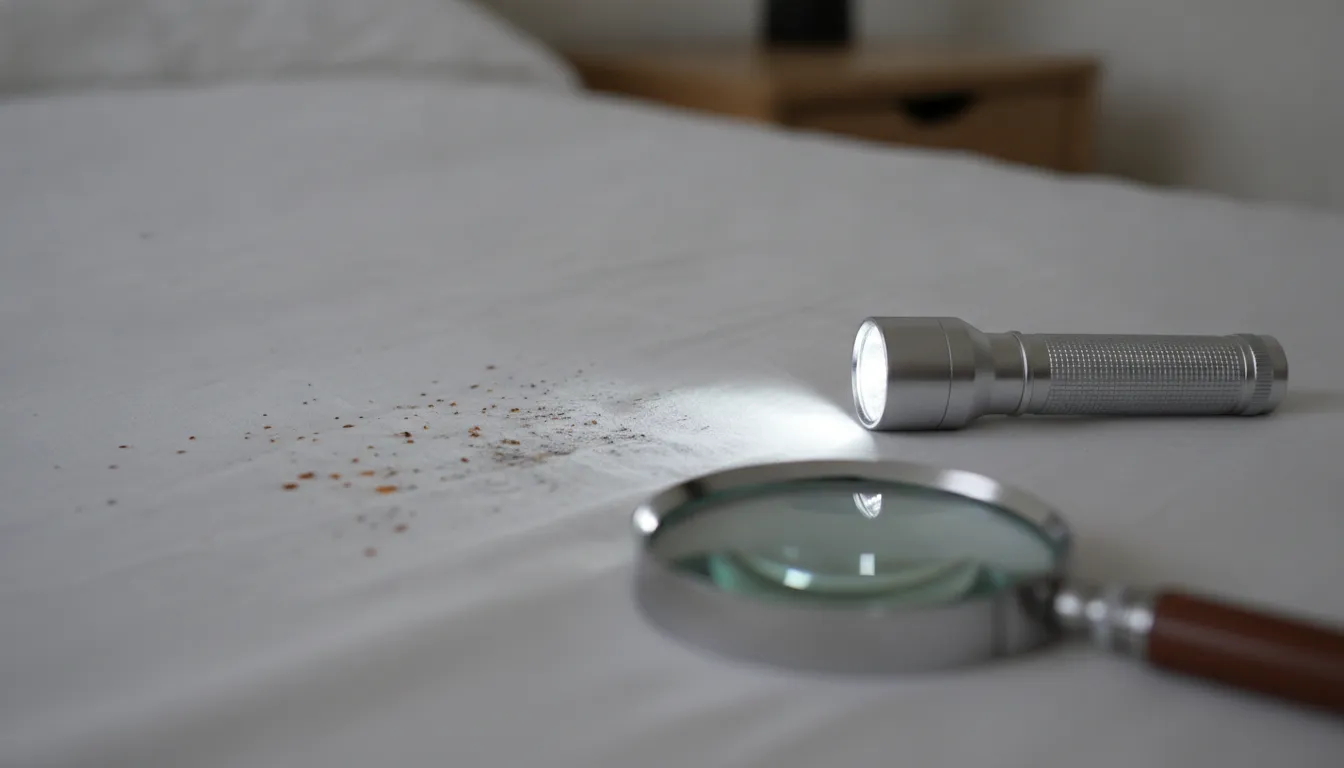
Visual context and location
Where you find the stains is just as key as how they look since bed bugs stay close to food. This means most marks will be on the mattress or bedding. Look at the corners of the sheets and check the seams of the mattress and the bed frame. Small marks in these areas are more likely to be from pests, but stains alone do not always mean you have many bugs. If you live in Manhattan, Brooklyn, Queens, the Bronx, or Staten Island, Ace provides local bed bug services throughout NYC.
Many things can leave marks on fabric, so you should look for other signs like shed skins. Finding a live bug is the only way to be sure, so do not panic if you only see marks. You can learn more in our NYC bed bug removal guide to help you know what to do next. This will help you keep your home safe.
What each mark may mean
Finding bed bug stains on sheets can be a shock. These spots are often the first sign of a pest problem. But before you panic, it is key to know what you are looking at. Not every mark is from a bug. You must look for clear signs like blood, waste, and shed skins to know if you have a real issue.
Red blood spots and dark stains
Small red or rusty marks often show up when a bug is crushed by accident. These marks look like small blood smears on the fabric. You might also find dark, round spots about the size of a period mark. These are bed bug waste. This waste often bleeds into the sheet like ink from a marker. These two signs together are a common way to find a hiding spot.
Shells and egg cases
Bed bugs grow by shedding their skin at least five times. You may find these thin, pale skins in the seams of your bed. They look like the bug but are hollow and do not move. You might also see eggs. Bed bug eggs are tiny, about 1mm long, and look like small, pale grains of rice. These signs show that bugs are living and growing in your home.
Live bugs and big stains
A professional bed bug inspection is the best way to be sure of what you found. Stains on their own do not prove you have a pest problem now. You need to find a live bug to be sure. Adult bugs are flat, red-brown, and about the size of an apple seed. If you see these bugs along with stains, it is time to act fast. Expert help can find where they hide and stop the spread.
How to inspect your bed step by step
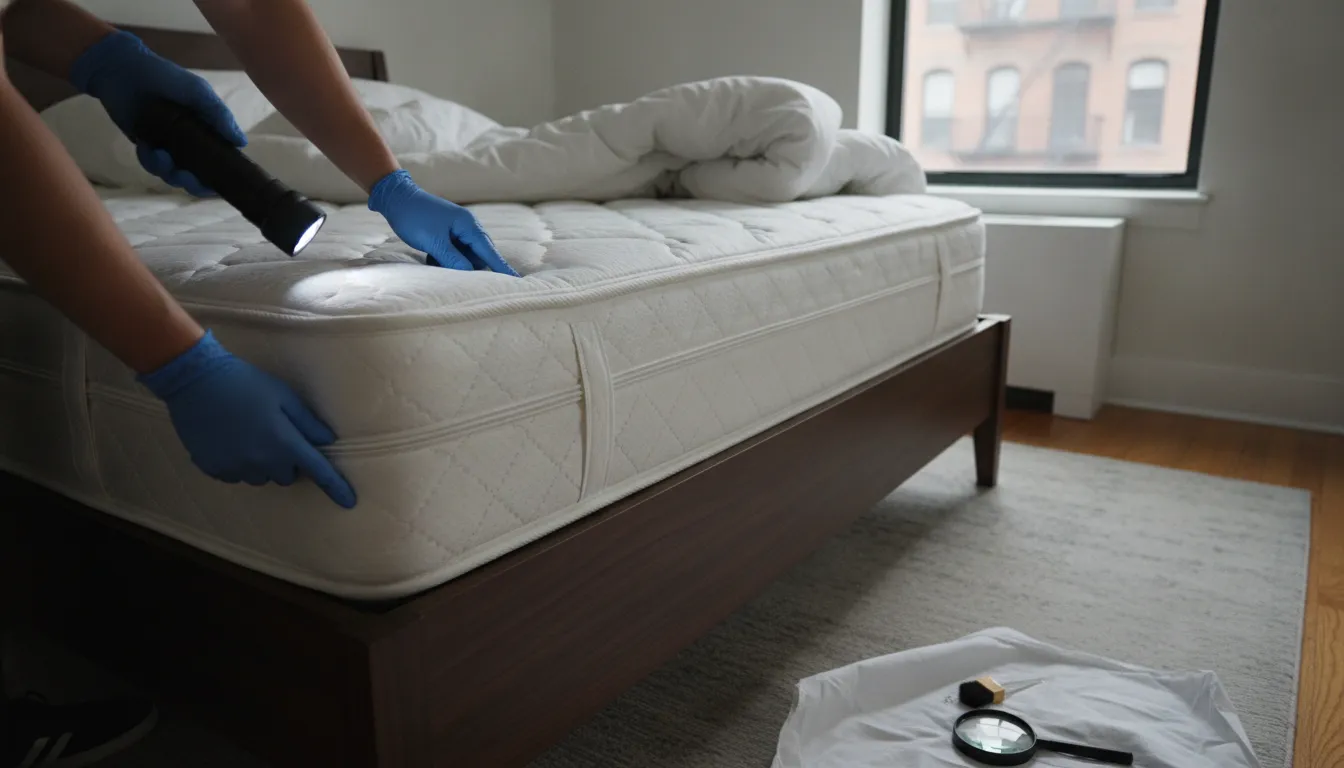
Finding bed bug stains on sheets can be a stressful event for any New Yorker. These pests are small and move fast, but they leave clear signs behind. A slow and careful check of your bed is the best way to find a problem early. You should look at every part of your sleep area, from the top quilt down to the floor. This process helps you see if you have a real pest problem or just a single bug.
Look for signs on linens
Your sheets and pillow cases are often the first place you will see marks. Bed bugs feed on blood at night and can get crushed when you move in your sleep. This often leaves rusty or reddish bed bug stains on sheets or pillow cases. These spots are a key sign that bugs are active in your bed. You should also look for dark spots that are about the size of a tiny period mark.
These dark marks are bed bug waste. They often look like black ink from a pen that has spread into the cloth. Look closely at the corners of your fitted sheet and the seams of your pillows. Bed bugs tend to stay close to where you sleep so they can find a meal easily. If you see these signs, do not wash your bedding just yet. It is better to keep the signs as they are for a professional bed bug inspection.
Check the mattress and frame
Once you take off the linens, you must check the mattress with a bright light. Bed bugs are flat, wingless insects that can be as small as 1mm or as large as 7mm. The Centers for Disease Control and Prevention (CDC) says adult bugs are about the size of a tiny seed. They love to hide in the seams, folds, and tags of your mattress. Pull back the fabric at the edges to see deep into the gaps.
The box spring and bed frame also need a close look. Many bugs hide in the dark spaces under the box spring or behind the headboard. Check the joints of the frame where two pieces of wood or metal meet. These tight spots are perfect for bugs to stay safe during the day. You might also find shed skins, which are thin and tan in color. These skins show that the bugs are growing and the group is getting larger.
- Pull off all sheets, blankets, and pillow cases and lay them out on a flat, white surface to see any marks.
- Scan the fabric for rusty red smears or tiny black fecal dots that look like ink that has bled into the cloth.
- Use a bright light to check the seams and piping of the mattress for live bugs or small, pale eggs.
- Turn the box spring over and look at the wood frame and the thin fabric on the bottom for hiding pests.
- Inspect the bed frame, including the headboard and all screw holes, for small, flat insects or dark waste spots.
- Look at nearby items like nightstands and rugs to see if the bugs have moved away from the bed itself.
- Write down what you found and take photos so you can show them to an expert for the next steps.
A DIY check is a useful first step, but these bugs are experts at hiding. Follow our detailed guide to checking for bed bugs as you inspect each area. If you find suspicious signs, a professional can help confirm what they mean. For same-day service in your neighborhood, visit our Brooklyn bed bug exterminator or Queens bed bug exterminator pages. You can also read our NYC bed bug removal guide to plan your next move.
Could the stains come from something else?
Finding bed bug stains on sheets is a big worry for any home owner. But these marks do not always mean you have a pest problem. Many other things can leave spots that look like bug signs. It is hard to tell the difference without a close look at the fabric and the room.
Skin scratches and minor cuts
Small blood spots often come from common sources. You might have a small scratch or a scab that opened while you slept. These spots are usually bright red when they are fresh. They do not always have the rusty look of old bed bug marks. The EPA says that rusty or reddish stains on sheets are often caused by crushed bed bugs.
Check your skin for small wounds. If you find a cut, the blood on your pillow or sheet likely came from there. Bed bug marks often show up in clusters or straight lines. A single spot with no other signs is less likely to be a bug issue. If you are not sure, an expert bed bug inspection can help you find the truth.
Dirt, rust, and household spills
Many common items leave dark marks on cloth. Rust from an old bed frame can cause brown or orange spots. These stains often show up where metal parts touch the mattress or sheets. They will stay in one place and do not smear like bug waste. Ink from a leaky pen or a felt tip marker can also look like pest signs. Ink spots often have a very even color and a clear edge.
Dirt and mud can also get on your bed. If you have pets that jump on the bed, they might bring in small bits of debris. These marks are often dry and can be brushed away. Bed bug waste is more like a liquid that soaks into the fibers. It leaves a dark spot that looks like it came from a fine tip marker. If you see a mark, try to wipe it with a damp cloth. A bug stain will often smear or bleed into the fabric.
Other insects that leave marks
Other bugs leave signs that look like bed bug droppings. Cockroaches can leave dark smears on walls and bedding. Carpet beetles are also common in many homes. They leave behind small shed skins and hairs as they grow. These signs can be easy to mix up with bed bug waste if you do not know what to look for.
Some other things that leave spots include:
- Spiders, which may leave tiny dark dots after they eat.
- Fleas, which leave small black specks of dried blood.
- Mold or mildew, which grows in damp areas as small dark dots.
- Mites, which can leave tiny marks on some types of fabric.
Mold dots often stay in one place and grow in a round pattern. They do not smear like fresh pest waste. To be safe, look for other signs like shed skins or live bugs. Only a full check by a pro can show if you need an emergency bed bug removal plan. Do not guess when it comes to pests in your bed.
What should you do after finding suspicious stains?
Finding odd marks on your mattress can feel scary. But your first step is to stay calm. Panic can lead to quick choices that may make a bug problem worse. Stains are a common sign, but they are not full proof of an active bug group. Per the EPA, rusty or reddish marks often come from crushed bed bugs. These marks can show up on your bedding or mattress seams. While these spots are gross, they give you the clues you need to fix the issue fast.
Record the proof
Once you find marks, you must track them. Use your phone to take clear photos of the bed bug stains on sheets and other surfaces. Look for dark spots the size of a period mark. These are signs of bug waste. Note the exact spots where you find these marks. This proof will help an expert tell if you have bugs or just old dirt. Keeping a good log makes the next steps much easier for you and your landlord. Do not wash the sheets yet. The stains are the best map for an expert to follow during a check of your room.
You should also look for other signs nearby. Check the folds of your mattress and the cracks in your bed frame. You might find tiny yellow skins or small eggs. These eggs are about one millimeter long and very hard to see. If you find these signs, add them to your photos. Having a full set of notes will save you time and money. It ensures that the pest team knows exactly where to start their work when they arrive at your home.
Contain the room
Do not move your bedding, clothes, or toys to other rooms. Moving items can spread the bugs to the rest of your home. Many people make the mistake of taking their pillow to the couch. This just gives the bugs a new place to hide. You should also stop yourself from sleeping in a guest room. The bugs will follow your heat and carbon dioxide to find their next meal. Instead, keep items in the same room until an expert arrives. If you need help fast, you can look for an emergency bed bug removal plan to guide you through the first few hours.
If you must move clothes, put them in sealed plastic bags. This keeps any bugs inside the bag and off your floors. You can then wash and dry the items on high heat. High heat is one of the few ways to kill all life stages of these pests. But you must be careful not to drop anything while moving the bags to the laundry room. A single bug can start a new group in a different part of the house. Keeping the mess in one spot is the best way to stop the spread.
Get an expert check
It is tempting to buy bug sprays at the store. Many people try to fix the problem on their own to save money. But DIY tools can often fail and push the bugs deeper into your walls. This makes the bugs harder to kill later. Bed bugs are small, flat, and hide in tiny cracks where sprays cannot reach. A professional bed bug inspection is the best way to find their hiding spots in NYC homes. Experts have tools and training that most homeowners do not have.
A pro will use proven ways to check your home. In New York, laws often require owners to deal with bugs fast. A pro can tell if the marks come from bed bugs or other pests like carpet beetles. They look for eggs, shed skins, and live bugs. Once they find the source, they can start a safe plan to clear your space. This often includes tools that are safe for your family and pets. Getting a clear answer now will help you sleep better at night.
Follow Ace’s bed bug checking guide, then request a professional inspection if you find several signs or cannot identify the marks.
When is a professional bed bug inspection worthwhile?
Finding new marks on your bedding can be stressful. You may wonder if bed bug stains on sheets mean you have a real pest problem. While some signs are clear, many marks look like other things. A professional bed bug inspection is the best way to get a clear answer. Pros have the tools and training to find bugs that hide in tiny spots. They can spot signs that most people miss.
When to call an expert
You should call for help if you find dark, ink-like spots or rusty smears. These stains often show up near the seams of your mattress or on your pillowcase. If you also have itchy red bumps on your skin, the risk is higher. But as the EPA notes, bites alone do not prove you have bed bugs. They can look like rashes or other insect bites. An expert can confirm if the marks and bites come from the same source. This helps you avoid the wrong treatment.
In a busy city like NYC, bed bugs move fast between units. If your neighbor has bugs, you should check your own home right away. Finding the problem early makes it much easier to stop. Experts know how to look in cracks and crevices where bugs stay during the day. This saves you time and stops the pests from spreading to other rooms in your home.
What a professional finds
A trained eye looks for more than just stains. They search for live bugs, shed skins, and tiny eggs. Adult bugs are about the size of an apple seed. They are 4-5 mm long and have a flat, brown body. Eggs are very small and pale yellow. A pro uses bright lights and tools to see into deep folds of fabric. They check headboards, baseboards, and even power outlets. These are places where bugs love to hide.
Many people try to find bugs on their own first. This can be hard because bed bugs are great at hiding. If you find stains but no live bugs, you might still have a hidden group. A pro can tell the difference between old stains and new activity. This helps you know if you need a full fix or just a small one. Knowing the truth gives you peace of mind and a clear path forward.
Why pro help saves money
DIY fixes often fail because they miss the core of the problem. Many store-bought sprays do not kill eggs or bugs deep in walls. This leads to the bugs coming back weeks later. You might spend a lot of money on products that do not work. A pro check gives you a solid plan from the start. They tell you exactly what to do to clear your home for good. This saves you from wasting cash on the wrong tools.
NYC rules also matter for renters and owners. Many buildings need proof of a pest check from a licensed pro. Having a formal report helps you work with your landlord or board. It shows you took the right steps to find the problem. This can be a big help if you need to plan for a NYC bed bug removal guide step. Getting it right the first time is always the best path for your home and budget.
Frequently Asked Questions
What do bed bug stains look like on sheets?
According to the EPA, bed bug stains often appear as rusty or reddish spots on your bedding. These marks happen when bed bugs are crushed during the night. You may also see dark dots about the size of a period mark. These dots are bed bug waste and often bleed into the fabric like a marker. Finding these signs means you should look in mattress seams and headboards for live insects.
Does finding bloodstains on sheets mean I have bed bugs?
Finding blood spots or waste marks is a common sign of pests. However, stains alone do not prove you have a bed bug problem. Many things can cause marks on sheets, such as other insects or small cuts. To be sure, an expert check is needed. A pro will look through your home to find live bugs or eggs. This is the only way to know if you have a pest issue that needs help.
Are dark spots on sheets always bed bug feces?
Not always. While dark spots can be bed bug waste, other things can leave marks that look just like them. Spiders, flies, and carpet beetles may also leave spots on your bedding. According to the EPA, bed bug waste will often smear if you wipe it with a wet cloth. If the spot is hard and does not smear, it might be from another source. You should always look for other signs like shed skins or eggs.
How do you clean bed bug stains from bedding?
To clean these stains, first use cold water to rinse the cloth. Cold water helps keep the blood or waste from setting. Then, apply a stain cleaner or a mix of water and dish soap to the area. Let it sit for a few minutes before you scrub it gently. Wash the sheets in the hottest water the cloth can handle. Heat is a great way to kill any bugs or eggs that might still be on the sheets.
Ready to book a professional bed bug inspection today?
Leaving odd stains on your bed can lead to a much larger and more costly problem very fast because these small pests breed very fast. If you wait too long to call for help, you may need to buy new stuff, but acting now stops the bugs from spreading further. Our team has years of skill in New York City and gives fast help today to save you time and help you sleep. Learn more about our professional bed bug removal services in NYC and find service near you in the Bronx, Staten Island, or Manhattan. You can read our NYC bed bug guide to learn about your rights and how to handle a landlord who does not help.
Ready to take control? Schedule a professional bed bug inspection to identify the evidence and choose an appropriate next step.