
Bed Bug Treatment Near Me: When to Call a Professional
If you are searching for bed bug treatment near me, you are probably past the point of casual curiosity. Maybe you found blood spots on your sheets, woke up with itchy bites, saw a live bug near the mattress seam, or tried a store-bought spray and still feel movement at night. In New York City apartments, bed bugs can spread quickly through furniture, walls, laundry, luggage, and neighboring units, so the right time to act is before a small problem turns into a building-wide infestation.
Need fast help in NYC? Contact Contact Ace for local treatment or call (347) 378-7070 to request professional bed bug treatment from a local bed bug-only specialist.
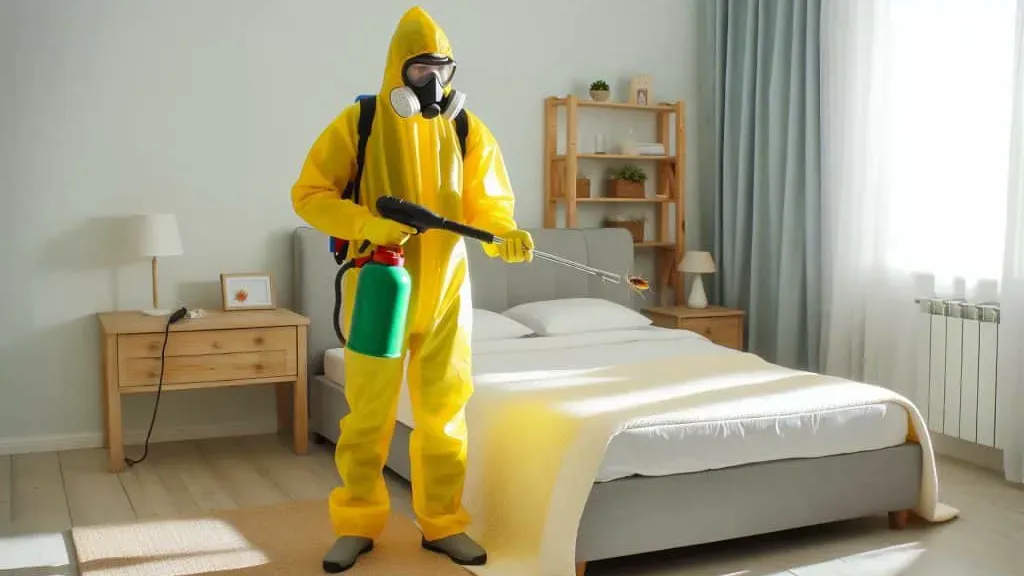
Quick Answer: When Should You Call a Professional?
Call a professional NYC bed bug exterminator when you see live bed bugs, find repeated bites, discover eggs or dark stains near sleeping areas, have already tried DIY treatment, live in a shared building, or need documentation for a landlord, tenant, hotel, office, or property manager. Bed bugs hide in tight spaces and can survive missed treatments, so professional help matters when proof is present or the risk of spread is high.
DIY steps can reduce exposure while you wait for service, but they rarely solve a confirmed infestation by themselves. A professional can inspect the full property, identify the level of activity, choose the right treatment method, and help prevent bed bugs from moving into nearby rooms or units.
What Bed Bugs Look Like and Where They Hide
Adult bed bugs are small, flat, reddish-brown insects that often hide close to where people sleep or rest. Young bed bugs can be pale and difficult to see. Eggs are tiny, light-colored, and often tucked into seams, cracks, screw holes, and joints. Because they hide during the day, many people notice signs before they ever see a moving bug.
In NYC homes and apartments, common hiding places include:
- Mattress seams, box springs, bed frames, and headboards
- Nightstands, dressers, sofas, recliners, and upholstered chairs
- Baseboards, wall cracks, floor gaps, and electrical outlet areas
- Luggage, backpacks, laundry bags, and clothing piles
- Shared laundry rooms, hallways, and neighboring apartments in multi-unit buildings
If you are still confirming what you found, Ace has a helpful guide on the early signs of bed bugs. Use that as a first check, then schedule an inspection if the signs match.
Signs You Need Bed Bug Treatment Near You
A single suspicious mark is not always enough to prove an infestation. A pattern is different. The more signs you find, the more important it becomes to bring in a professional who can confirm the source and treat the hiding areas you cannot reach.
You Found a Live Bed Bug
Seeing a live bed bug is the clearest sign that treatment should not wait. Capture it in a sealed bag or take a clear photo if you can do so safely. Do not crush it into the mattress or throw the item away before an inspection. The technician can use the evidence to confirm the pest and decide where to inspect next.
You Keep Waking Up With New Bites
Bed bug bites can resemble mosquito bites, skin irritation, or other reactions. The key warning sign is repetition. If new bites appear after sleeping in the same bed or sitting on the same furniture, especially with stains or shed skins nearby, it is time for a closer look. If you need help comparing bite patterns, read Ace’s bed bug bites guide.
You See Dark Spots, Shed Skins, or Eggs
Dark specks on sheets, mattress seams, or wood joints may be bed bug fecal spotting. Shed skins can collect near hiding areas as bed bugs grow. Eggs are small and easy to miss, which is one reason professional inspection matters. Missing eggs can allow activity to return even after the visible bugs are gone.
You Tried DIY Sprays and the Problem Came Back
Store-bought sprays often reach only the insects you can see. Bed bugs in wall gaps, furniture joints, and deep fabric seams can survive. Some products can also push bed bugs into new hiding places, making the infestation harder to treat. If you have already sprayed, fogged, vacuumed, or washed items and still see signs, professional treatment is the safer next step.
You Live in an Apartment or Shared Building
In multi-family buildings, bed bugs can move between units, especially when people discard furniture, overuse sprays, or delay reporting. A professional inspection can help determine whether the problem is isolated to one room, one apartment, or a wider area. For landlords and property managers, documentation also matters for communication and compliance, which is why bed bug treatment for property managers should start with a clear inspection and service plan.
DIY vs Professional Bed Bug Treatment
DIY can help you contain the problem, but it should not be confused with full elimination. Washing bedding, reducing clutter, vacuuming visible insects, and isolating infested items can lower immediate activity. Professional treatment goes further by targeting the hiding places and life stages that most homeowners and renters miss.
| Factor | DIY Approach | Professional Approach |
|---|---|---|
| Inspection | Limited to visible signs | Checks beds, furniture, cracks, walls, and nearby rooms |
| Treatment reach | Often surface-level | Targets hiding spots, travel paths, and infestation zones |
| Product selection | Consumer sprays and powders | EPA-approved products and professional methods |
| Follow-up | Usually self-monitored | Can include follow-up guidance and prevention steps |
| Best use | Short-term containment | Confirmed infestations, recurring signs, and shared buildings |
The best immediate DIY steps are simple: do not move infested furniture through the building, do not sleep in another room to escape bites, do not use foggers, and do not throw away mattresses before speaking with a professional. Moving around can spread the infestation, while foggers can scatter bed bugs deeper into walls and furniture.
What a Professional Bed Bug Exterminator Does
A professional bed bug service is not just a stronger spray. It is a process. Ace Bed Bug Exterminating uses a three-part approach built around inspection, treatment, and prevention for New York City homes and businesses.
1. Inspection and Assessment
The first step is a detailed inspection. A trained specialist looks for bed bugs in all life stages, checks likely hiding spots, and evaluates how far the activity has spread. The goal is to avoid guessing. A studio apartment with activity limited to one bed needs a different plan than a multi-bedroom unit with signs in several rooms.
If your situation is still uncertain, start with Ace’s bed bug removal service page to understand the inspection and treatment process.
2. Treatment Plan
After the inspection, the technician recommends the treatment method or combination of methods that fits the property. Ace focuses only on bed bugs and uses EPA-approved products within an Integrated Pest Management approach. The company also offers Aprehend, a biopesticide treatment option designed to create treatment barriers that continue working for up to 3 months when applied properly.
Some situations may call for heat, steam, targeted product application, monitoring, or a combination of methods. The right choice depends on infestation level, room layout, furniture, safety needs, and how quickly the issue must be controlled.
3. Monitoring and Prevention
Bed bug treatment should include clear next steps. That may involve preparation instructions, what to expect after service, how to avoid spreading insects, and how to watch for future signs. Prevention guidance is especially important in apartment buildings, hotels, offices, healthcare settings, and other places where people and belongings move in and out daily.
Why Local NYC Experience Matters
Searching for bed bug treatment near me is not just about distance. It is about hiring a company that understands the way bed bug problems develop in New York City. NYC has dense apartment buildings, frequent travel, shared walls, shared laundry spaces, high tenant turnover, and strict expectations for landlords and property managers. A general pest control approach can miss these local realities.
Ace Bed Bug Exterminating is a local bed bug-only specialist with more than 12 years of pest removal experience. The company serves Manhattan, Brooklyn, Queens, the Bronx, Staten Island, and surrounding areas. For customers in North Brooklyn, our Williamsburg bed bug extermination team provides location-specific guidance. Ace has worked with more than 9,567 customers around the New York Tri-State Area and focuses on bed bug detection, treatment, and prevention rather than broad general pest work.
For location details, visit the Ace service area page. If you need borough-specific help, see the local pages for Manhattan bed bug extermination and Queens bed bug extermination.
How Fast Should You Schedule Treatment?
Schedule professional help as soon as you have credible evidence. Bed bugs do not disappear because a room is clean, and waiting can give them time to spread. The timing is especially urgent if you found bugs in more than one room, live in a multi-unit building, manage rental property, operate a hotel or office, or have guests arriving soon.
Concerned the problem is spreading? Call (347) 378-7070 or request service through Ace’s contact page. A local specialist can help you decide whether you need immediate treatment or a confirming inspection first.
While you wait for the appointment, keep sleeping in the same room if possible, place worn clothing and bedding in sealed bags before laundering, reduce clutter around the bed, and avoid moving furniture to another room or curb. If you live in a rental, document what you found with photos and dates.
What to Ask Before Hiring a Bed Bug Treatment Company
Not every exterminator handles bed bugs the same way. Before hiring a company, ask questions that reveal whether they understand inspection, treatment planning, safety, and follow-up. A rushed quote without an inspection may not be enough for a serious infestation.
- Do you specialize in bed bugs or handle them as one of many pest services?
- What inspection steps do you take before recommending treatment?
- Which treatment methods do you offer, and when do you use each one?
- Are your products EPA-approved for indoor bed bug treatment?
- Do you provide preparation instructions before service?
- Can you help with documentation for landlords, tenants, or property managers?
- What should I expect after treatment, and how do I monitor for activity?
Ace is a strong fit for NYC customers who want a focused bed bug company rather than a general exterminator. The company uses eco-friendly treatment positioning, offers same-day service when available, and provides bed bug-specific service across all five boroughs.
Special Situations That Require Professional Help
Some bed bug problems carry extra risk. In these cases, calling a professional is not just recommended. It can prevent financial loss, tenant disputes, guest complaints, or repeated re-infestation.
Rental Apartments
Renters often need proof of the problem and clear communication with the landlord or property manager. A professional inspection can document signs and help define the next treatment step. Do not discard furniture before reporting the issue, since moving infested items through hallways can spread bed bugs.
Hotels and Short-Term Rentals
Guest-facing properties need fast, discreet action. One untreated room can create reviews, refund requests, and reputation damage. Professional service helps confirm the affected area and reduce business disruption.
Offices, Healthcare Settings, and Shared Workspaces
Bed bugs can hitchhike in bags, coats, and furniture. Commercial spaces need a careful plan that avoids panic while still addressing the source. Professional guidance helps managers communicate responsibly and limit spread.
Recurring Infestations
If bed bugs return after prior treatment, the issue may involve missed hiding spots, neighboring units, reintroduction, or incomplete preparation. A specialist can reassess the property instead of repeating the same failed approach.
Frequently Asked Questions
Is an exterminator worth it for bed bugs?
Yes, an exterminator is worth it when bed bugs are confirmed or strongly suspected. Bed bugs hide in places most people cannot reach, and missed eggs or insects can restart the infestation. Professional inspection and treatment improve the chance of full control.
How much does bed bug treatment near me cost?
Cost depends on the property size, infestation level, number of rooms, treatment method, and whether follow-up is needed. Ace provides pricing after understanding the situation because a small contained issue is different from a multi-room or multi-unit infestation.
Can I sleep in my bed after bed bug treatment?
Follow the technician’s instructions for re-entry and bedding use. In many treatment plans, sleeping in the treated room after the proper waiting period can help keep bed bugs exposed to the treatment zone. Do not move to another room unless the technician tells you to.
What kills bed bugs the fastest?
The fastest option depends on the infestation. Heat, steam, targeted products, Aprehend biopesticide barriers, and integrated treatment plans can all play a role. The important point is choosing the right method for the property instead of relying on one product for every case.
Do bed bugs mean my home is dirty?
No. Bed bugs are hitchhiking pests. They can enter clean homes, hotels, offices, and apartments through luggage, furniture, clothing, visitors, or neighboring units. Cleanliness can make inspection easier, but it does not prevent every infestation.
Get Professional Bed Bug Treatment in NYC
If you are searching for bed bug treatment near me and you are in New York City, do not wait for the problem to spread. Ace Bed Bug Exterminating focuses exclusively on bed bug inspection, treatment, and prevention across Manhattan, Brooklyn, Queens, the Bronx, Staten Island, and nearby areas.
Ready to stop guessing? Call (347) 378-7070 or visit the Ace Bed Bug Exterminating contact page to request local bed bug treatment from an NYC specialist.