
Bed bugs often hide in the seams of clothes to travel between bedrooms and laundry rooms. Isolate exposed items right away, then inspect, launder, and store them carefully to reduce the chance of spreading bugs through your NYC apartment. For professional bed bug removal in NYC, Ace serves Manhattan, Brooklyn, Queens, the Bronx, and Staten Island.
Schedule a professional NYC bed bug inspection if you find bugs, eggs, shed skins, or dark spotting on clothing.
Finding bed bugs in clothes is a common problem because these pests are expert hitchhikers that hide in fabric seams. To get rid of them, you must wash and dry your clothes on high heat. The Centers for Disease Control and Prevention notes that bed bugs use the folds of folded clothes and luggage to move into new areas. You should use a heat level of at least 120 degrees Fahrenheit to kill all life stages. After the cycle, store clean items in sealed plastic bags or bins to keep them safe. This prevents bugs from crawling back into your laundry while you treat your home. Taking these steps helps contain the insects and stops them from biting your family.
Seeing a bug in your closet does not mean your clothes are lost. The steps below show you how to contain exposed garments, check likely hiding places, use laundry carefully, and keep cleaned items separated while the source of the infestation is addressed.
How should you inspect bed bugs in clothes?
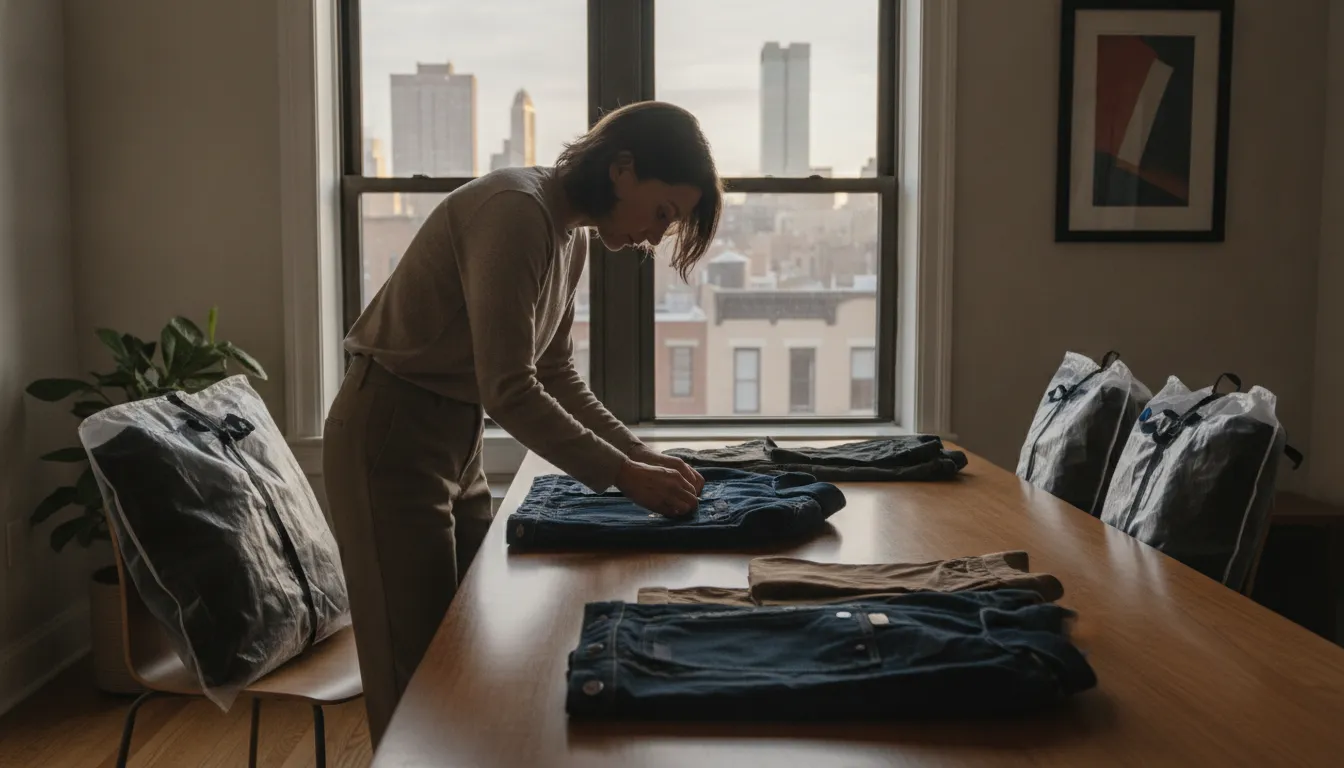
Inspect bed bugs in clothes under bright light, starting with garments kept near the bed. Turn each item inside out and examine seams, cuffs, pockets, tags, buttons, and zippers for live bugs, pale eggs, shed skins, or dark spotting. Place every inspected item directly into a sealed bag.
Common hiding spots in fabrics
Most bed bugs stay in dark areas that people do not touch often. They love the thick seams on denim jeans and the deep cuffs of heavy coats. You should also check inside your laundry hampers and dark closets. If you deal with NYC bed bug inspection services, these pests can move fast from one room to the next. Make sure to check every piece of cloth before you move it to a new spot. This helps keep the pests from spreading to other parts of your home.
Do not forget to look at items you do not wear every day. Winter coats and thick sweaters have many folds where bugs can hide for a long time. These pests can live for months without a meal, so they do not mind waiting in a closet. Check the linings and the spots where the sleeves meet the body. Even the small tags on your clothes can give them a place to hide. Use a bright light to see into every dark corner and fold.
Signs of a bed bug problem
You may not see a live bug right away. Instead, you should look for tiny dark spots that look like ink marks. These are signs that the bugs have been active in your clothes. You might also find small white eggs that look like grains of rice but are much smaller. Bed bugs also shed their skins as they grow larger, leaving thin shells behind. If you find these signs, schedule professional bed bug removal to address the infestation beyond clothing. Laundry heat can help process suitable fabrics, but it cannot confirm that your home is clear.
Keep a close eye on any stains that look like rust. These can happen if a bug is crushed or if they leave small spots of waste. These marks often show up in the seams or near the buttons of your shirts. If you see these signs on one item, check everything else nearby. It only takes a few bugs to start a big problem in your closet. Finding them early is the key to stopping the spread.
A step-by-step check for your clothes
A good check takes time and the right tools. You will need a bright flash light and a white sheet to make the work less hard. The white sheet helps you see any bugs or eggs that might fall off as you move the fabric. Follow these steps to check your items well.
- Lay a clean white sheet on the floor in a bright room.
- Place the item you want to check in the middle of the sheet.
- Turn the item inside out to see all the seams and folds.
- Use a bright light and a strong lens to look for bugs or eggs.
- Check every pocket and cuff for live pests or shed skins.
- Search near buttons and zippers where the fabric is most thick.
- Put every item you check into a sealed plastic bag right away to keep it safe.
Limits of a visual check
Even a deep check does not prove that your clothes are clear. Bed bugs are experts at finding tiny spots to hide where the human eye cannot see. A visual check is only the first step in a full plan to clear your home. You must still use heat or expert tools to be sure the pests are gone for good. This is why experts suggest high heat for all items that can handle the wash. Always follow up with a full cleaning of your closet and drawers.
How should you contain clothes before moving them?
Contain exposed clothes before moving them by sorting items inside the affected room and sealing each group in a heavy-duty plastic bag. Label the bags, keep them off the floor, and carry them directly to the washer or treatment location. Never transport loose garments through your apartment or shared hallways.
Sort inside the room
Always sort your laundry inside the room where you found the bugs. Do not take a basket of loose clothes to another area. This simple step stops you from seeding new spots with pests or eggs. Look through your items and group them by how you will clean them later. You can put items that need high heat in one pile and those that need dry cleaning in another.
Keep your clothes off the floor while you work. Bed bugs often hide in carpets and baseboards. The floor is the most likely place for them to crawl onto your gear. Once you have sorted your items, you are ready to put them into bags. This method helps you book an NYC bed bug inspection without making the bug problem worse in other parts of your home.
Bag and seal right away
Use heavy-duty plastic bags to hold all exposed clothing. As soon as you sort a pile, place it straight into a bag and seal it tight. Clear bags are often best because they let you see what is inside without opening them again. Use tape or a strong knot to make sure no bugs can crawl out during transit. According to the CDC, bed bugs can survive for months without a meal, so a tight seal is vital.
Label each bag so you know which items are inside. This keeps you neat and prevents you from opening the wrong bag in a clean area. Storing your things in sealed bins or bags is also a smart way to stop more bugs after you have cleaned them. In buildings with shared spaces, this care protects your neighbors. It also stops bed bug removal options from moving between units.
Avoid loose transit
Never carry loose garments or open baskets through your apartment or building halls. Even a single bug falling off a shirt can start a new group in a new room. Walk your sealed bags straight to the washing machine or to your car if you use a local laundry shop. This direct path reduces the time the bags spend in transit and lowers the risk of a leak.
If you must use a shared laundry room, wait until you are right in front of the machine to open the bag. Empty the items straight into the washer and throw the used bag away in an outdoor trash bin. By keeping all items contained until the last second, you make sure the heat treatment does its job. This careful plan is the best way to handle the threat of bed bugs in clothes and keep your home safe.
How should you wash and dry exposed clothing?
Wash and dry exposed clothing only after moving it in sealed bags and checking each garment care label. Empty each bag directly into the washer, then discard the bag outdoors. Use the hottest safe wash setting and a high-heat dryer cycle, without overfilling the machine, so heat reaches every fabric fold.
Sort and bag with care
Work with only one sealed bag at a time to keep things under control. This prevents you from making a mess or missing a bug that might crawl away. Check the care labels on each piece of clothing before you start the wash. You need to know which items can handle high heat and which might shrink or take damage.
When you get to the machine, empty the bag right into the washer. Do not set the bag on the floor or a table. Throw the empty plastic bag away in an outdoor trash can right after you use it. This keeps any bugs that were inside the bag from getting back into your home.
Use high heat settings
Heat is your best tool when you deal with laundry handling guidance. Most experts suggest a heat of at least 120 degrees Fahrenheit to kill all stages of bed bugs. Use the hottest water setting that the garment label allows. While the wash can kill active bugs, the dryer is what really finishes the job.
The dryer heat must reach deep into the folds of the fabric to work. For most loads, 30 minutes on high heat is enough to kill bugs and eggs. But very thick items like coats or heavy jeans may need more time. Always follow the machine guide and do not overfill the dryer, as this can leave cool spots where bugs might stay alive.
Heat vs fabric care
Not every item can handle the same level of heat. You must balance the need to kill pests with the risk of ruining your clothes. While high heat is the goal, some soft fabrics may need other care. The table below shows how to handle common types of clothing when you find bed bugs.
| Fabric Type | Wash Setting | Dry Setting | Notes |
|---|---|---|---|
| Cotton and Linens | Hot Water | High Heat | Best for killing all eggs and bugs. |
| Synthetic Blends | Warm Water | Medium Heat | Dry for a longer time if heat is lower. |
| Delicate Silk or Wool | Cold Water | No Heat | May need professional dry cleaning instead. |
| Heavy Denim or Canvas | Hot Water | High Heat | Ensure items are fully dry and hot. |
Once your clothes are dry and hot, put them in a fresh, clean plastic bag. Do not use the same bag you used to bring them to the laundry. Seal the new bag right away to keep the clean clothes safe. This NYC bed bug guide guide shows that keeping items sealed is key to stopping the spread.
According to the Centers for Disease Control and Prevention, bed bugs are experts at hiding in the seams and folds of luggage and folded clothes. By using high heat and keeping treated items sealed, you remove their hiding spots. This simple step is one of the most effective ways to manage a small pest problem on your own.
How should you store clean clothes without re-exposure?
Store clean clothes in new sealed bags or tightly lidded plastic bins immediately after drying. Label each container as clean, include the processing date, and keep it away from untreated items and infested areas. Leave clothing sealed until a bed bug professional confirms that it is safe to unpack.
Use sealed bags and bins
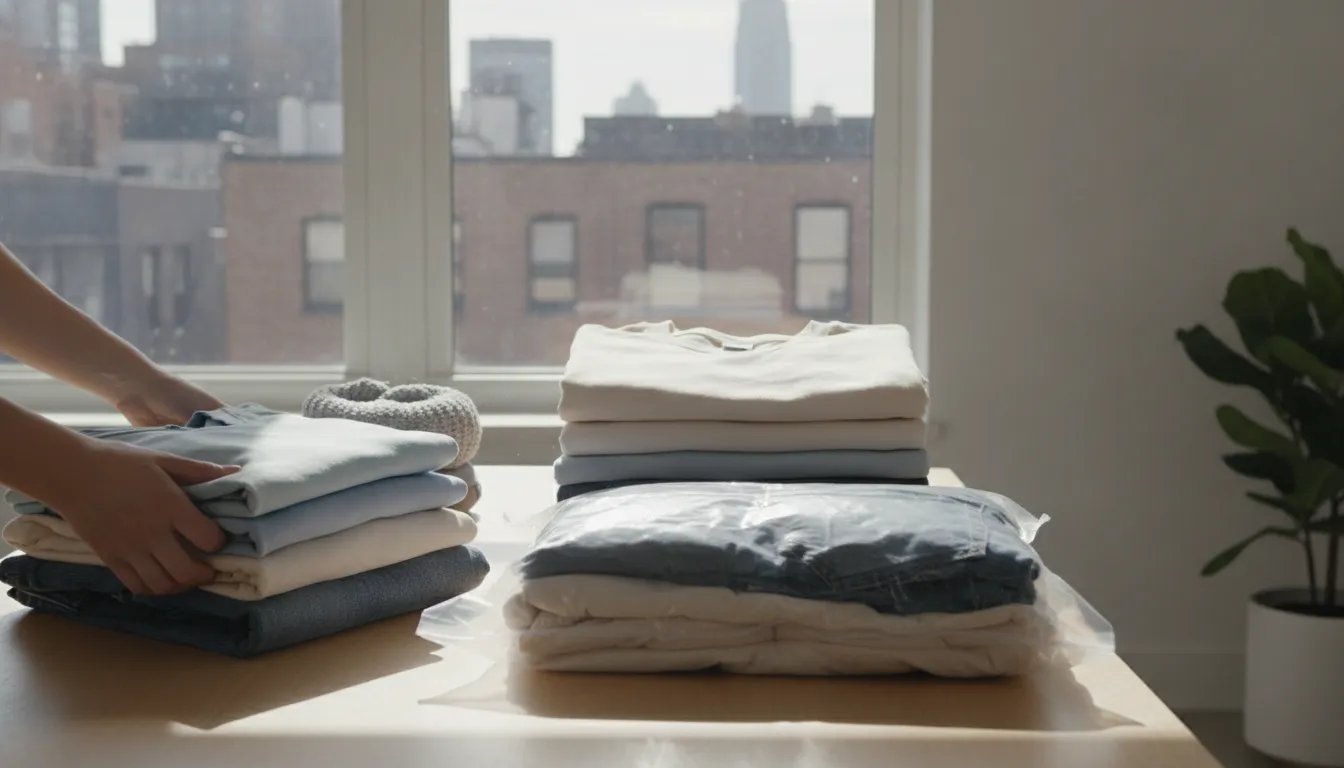
The best way to protect your items is to use new, clear plastic bags. Once you finish a high-heat dry cycle, move the clothes into a bag. Do not set the clean pile on a table or sofa first. The CDC says that bed bugs can hide in tiny spots like furniture seams.
A sealed bag acts as a shield against these pests. You can also use plastic bins with tight lids to stack your items in a corner. Make sure the seal is strong. If you use bags, tie them in a double knot to close the top.
Label clean and dirty items
In a busy home, it is easy to lose track of which bags are clean. You should label every bag and bin with a large marker. Write the word “CLEAN” in big letters on items that have gone through the heat cycle. Also, write the date and the type of clothes inside.
This helps you find your socks or shirts without opening a bag. Opening a bag could let pests back inside. You can emergency bed bug support in batches to stay set up. Keep your clean bags in a safe zone away from infested areas.
If you live in a small home, this is key. Handling apartment bed bug guidance often means living out of bags for a while. Clear labels prevent mistakes that could lead to a new bug problem. It also helps your family stay calm during a stressful time.
Wait for professional guidance
You might want to put your clothes back in your dresser fast. But you should wait for an expert to give you the green light. Bed bugs can survive for many months without a meal by hiding in furniture cracks. If you put your clothes back too soon, they could get bugs again.
An expert will check your closet and bedroom to make sure no bugs are left. They will tell you when it is safe to unpack for good. While you wait, keep your bags sealed at all times. Only take out what you need for the day and seal the bag right back up.
Schedule a professional bed bug inspection before unpacking clean clothes.
How should you handle laundry in NYC apartments and shared machines?
In NYC apartments, move exposed laundry to shared machines only in tightly sealed bags. Open each bag directly over the washer, discard it outdoors, and use a fresh bag or bin for dry clothing. Avoid folding tables, floors, chairs, and old bags, which can expose processed items to bed bugs again.
It is helpful to keep a special kit for laundry day. This kit should have extra bags, tape, and a pen. Marking bags as “clean” or “dirty” helps you avoid a mix-up. In a busy city, your speed and care protect your neighbors too. Most bed bug issues in big buildings spread through common areas like halls and lifts. Your choice to use sealed bags stops this spread in its tracks.
Transporting clothes safely
Moving your laundry to the basement or a public laundry shop takes a plan. Use thick plastic bags that seal tight. Clear bags are best so you can see what is inside. Do not use open baskets or mesh bags. Keep the bags shut until you are right in front of the machine. This step stops the bugs from getting onto other people’s items. If you see bed bugs in NYC apartments, safe transport is your first line of defense.
Carry the bags with care to avoid any rips. If a bag tears, use your tape to patch it fast. Do not drag the bags on the floor or lean them against the walls. Bed bugs can crawl off a bag if it sits still for too long. Keep your hands clean and try not to touch too many surfaces. In New York, being quick and neat is the best way to move your wash.
Using shared machines
When you arrive at the machine, dump your clothes right inside. Do not sort them on the tables or the floor. Shared surfaces are easy spots for bugs to hide and wait. Toss the old bags in an outside trash can right away. Set your washer and dryer to high heat. You need a heat level of at least 120 degrees Fahrenheit to kill the bugs and their eggs. This high heat is the best way to safely wash and dry infested fabrics.
High heat for at least thirty minutes is needed. Many New York machines have a “heavy duty” or “hot” setting. Check the machine to ensure it is working well before you start. If the dryer does not feel hot, try another one. Heat is the only thing that kills the eggs. Without enough heat, the bugs could come back in a few weeks. Taking this extra time saves you from a larger mess later.
Handling clean items
Once your clothes are dry, do not put them back in your old bags. Use new, clean plastic bags or bins. Seal them well before you leave the laundry area. This prevents any bugs in the room from jumping back onto your clean laundry. Bed bugs can hide in very small cracks and wait for months. By using fresh bags, you keep your items safe for the trip home.
Think about where you put your clean bags while you wait. Avoid placing them on the folding table or chairs. It is better to hold them or put them on top of the dryer you just used. Once you are home, keep the clothes in the bags until you need them. This creates a safe barrier in your room. If you find bed bugs in clothes, these steps will help you clear the problem and stay safe.
Lastly, remember to be kind to those who live near you. Bed bugs can affect anyone and do not mean a place is dirty. Avoid placing blame on your neighbors or the building staff. Instead, share what you know about safe laundry habits. Working as one group is the best way to keep your building bug-free. Clear and honest talk helps everyone stay calm and focused on the fix.
Why is laundry not whole-home bed bug treatment?
Laundry can remove bed bugs from suitable clothing, but it cannot eliminate an infestation from your home. Bed bugs also hide in mattresses, bed frames, furniture, baseboards, and wall cracks. Keep processed clothes sealed and arrange a professional inspection to identify and treat every active hiding place.
Where bed bugs hide
Laundry only treats items you can fit in a machine. Most pests do not spend all their time on your clothes. They prefer to stay close to where people sleep so they can feed at night. You can find them in mattress seams, baseboards, and even behind wall art. They also hide in floor cracks and wall plugs. If you only wash your clothes, you leave the main colony behind. The CDC notes that these bugs have flat bodies that let them fit into very tiny spaces.
Cleaning your fabrics is part of a larger plan. You must also think about the rest of your living space. To truly clear a home, you need to find every single hiding spot. This is why many people in New York choose bed bugs in NYC apartments experts to check their rooms. A pro can see signs that a homeowner might miss. They look for small dark spots or shed skins in places you would never think to check.
The need for full home care
Treating a whole home takes more than just hot water. You can safely wash and dry infested fabrics to kill bugs on those items. But this does not reach the pests in your walls. Bed bugs can live for months without a meal. They will wait in a crack for a long time until it is safe to come out. A laundry-only approach gives them time to grow and spread again. You need a way to treat the entire room at once.
A full treatment plan works for every life stage of the bug. This includes eggs that might be stuck to furniture or floors. Eggs are small and sticky, which makes them hard to see or move. Pros use special tools like heat or steam to reach deep into furniture. These methods kill bugs and eggs that a home dryer cannot touch. High heat in a room can reach inside the walls to kill every bug.
Protecting your space after cleaning
Once you clean your clothes, you must keep them safe from a return of the pests. Store your clean items in sealed bags or plastic bins. Do not put them back into a room that has not been treated yet. If you leave clean clothes on an infested floor, the bugs will just climb back on. This cycle makes it feel like your cleaning did not work. It can lead to more stress and more bites over time.
You should view laundry as a way to protect your items, not a way to fix the house. It is one tool in your kit. To get rid of the problem for good, you need to treat the source. This means looking at every room and every piece of furniture. Only then can you be sure the pests are truly gone. Professional help ensures that you do not have to fight the same bugs twice. Ace Bedbug Exterminating can provide a professional bed bug inspection in NYC and recommend the right next steps. Learn more about professional bed bug removal when laundry alone cannot address the infestation.
Frequently Asked Questions
Can bed bug eggs be found in clothes?
Yes, bed bug eggs can be found in your clothes because they are very tiny and sticky. These traits help them stay on fabric, especially in the seams and folds of clothes that sit near a bug problem. The CDC says these bugs are good at hiding in small spaces, which makes it easy for them to lay eggs in items without being seen. You should always check any clothes left on the floor.
Can bed bugs bite through clothing?
Bed bugs usually do not bite through your clothes because they have mouths meant to bite your skin. Most bugs will crawl under your clothes or find a patch of bare skin to feed on during the night. They may bite through thin or loose cloth if they have no other choice, but this is not very common. To stay safe, you should clean any clothes you think have bugs to stop them from moving to your skin.
How long can bed bugs survive on clothes without feeding?
These pests are very tough and can live for a long time on your clothes without a blood meal. Adult bugs may survive for several months in your home before they need to find a person to bite. The CDC says their flat bodies allow them to hide in deep seams for long periods of time. This is why you must seal your items in plastic bags or bins if you think you have a bug problem.
Can you bring bed bugs home on new clothes from a store?
Yes, you can bring these bugs home on new clothes because they are found in many places like high-end shops. These bugs do not care how clean a store is, and they can be found in five-star hotels around the world. The CDC notes that hitchhiking bugs crawl onto clothes in rooms where people stay or shop. You should always check new items before you bring them into your living space or your closet.
Ready to stop bed bugs from spreading?
Bed bugs in clothes can spread to your bed, couch, and other rooms when exposed items move through your NYC home. Careful laundry handling reduces that risk, but it does not replace an inspection or treatment of the source.
Call Ace Bedbug Exterminating at (347) 378-7070 to schedule a professional bed bug inspection.
3 Responses