
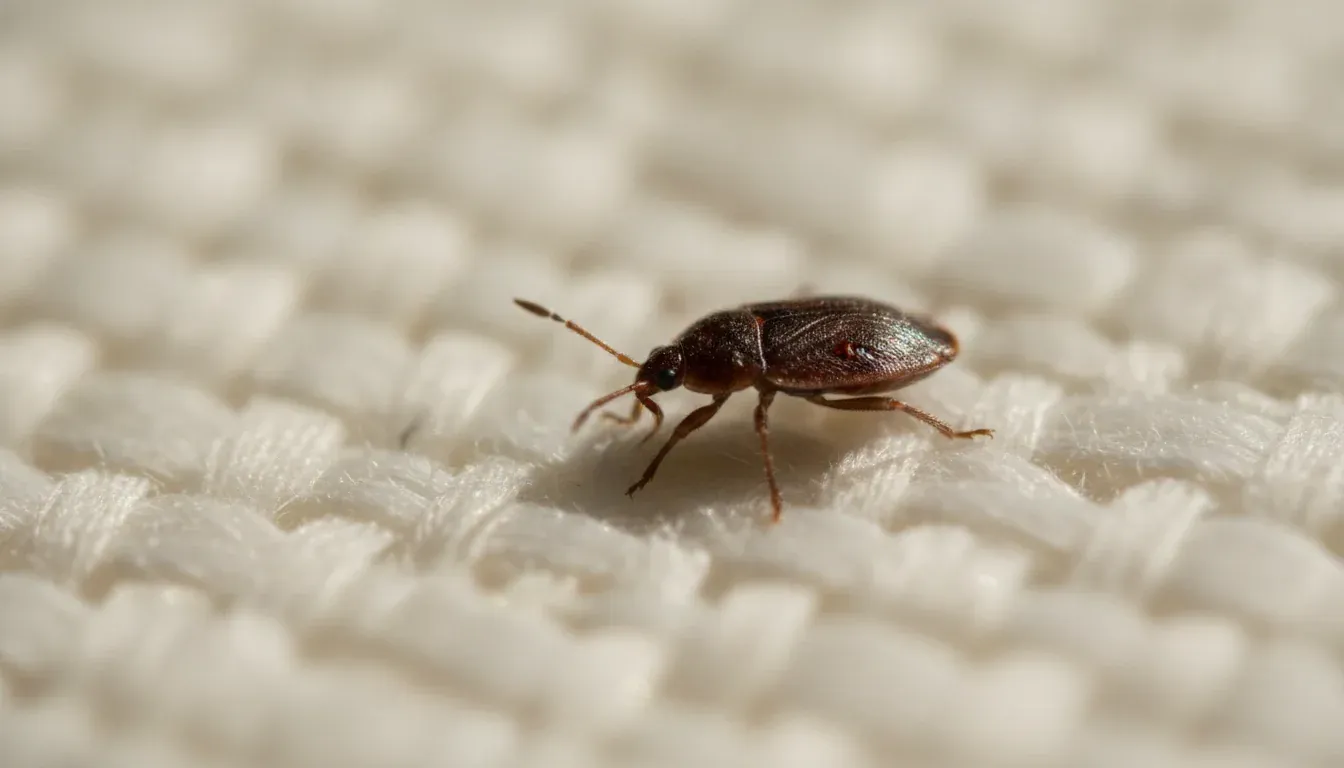
A bed bug problem causes fast stress for New York City families worried about disease. These nocturnal pests are tough, but they lack the power to spread germs to humans. Knowing the facts about these insects can lower your stress.
Do bed bugs spread disease is a common question with a clear answer for worried homeowners. According to the Centers for Disease Control and Prevention (CDC), bed bugs are not known to spread diseases to humans. While scientists have found forty-five types of germs inside bed bugs in lab tests, no recorded cases show these insects spreading infections like malaria to people. Bed bugs are called a public health pest by the EPA because they cause other physical and mental health problems. These risks include bad skin reactions to bites, infections from scratching, and deep stress or loss of sleep. While the insects themselves do not spread disease, their presence in your home still needs expert help to protect your health.
If you suspect bed bugs in your home, contact Ace Bed Bug Exterminating at (347) 378-7070 for a professional inspection. Early treatment stops the problem before it affects your sleep and peace of mind.
Do Bed Bugs Spread Disease? The Short Answer From Health Experts
The scientific consensus from the CDC, EPA. And NIH is clear: bed bugs are not known to transmit diseases to humans despite carrying over 45 types of pathogens in laboratory conditions. Their biology prevents effective germ transmission, making them a nuisance pest rather than a public health threat like mosquitoes or ticks.
The first question most people ask during an infestation is whether these pests carry dangerous germs. According to the Centers for Disease Control and Prevention (CDC), bed bugs are not known to spread diseases to people. While they are a major nuisance and cause significant stress, they do not act as disease vectors like mosquitoes or ticks. This distinction is vital for understanding your health risks when you find them in your home. These pests bite to feed on blood, but the bite itself does not move germs from the bug to your body. You can feel safe knowing that a bite will not result in a viral infection.
Public Health vs. Infectious Disease
Even though they do not transmit germs, the Environmental Protection Agency (EPA) still classifies bed bugs as a public health pest. This classification exists because an infestation can harm your well-being in other ways. They cause physical marks, lead to lost sleep, and create intense anxiety. However, you do not need to worry about catching a blood-borne illness from a bite. Experts at the Mayo Clinic confirm that these insects are not known to spread any infectious agents between humans. They are harmful to your peace of mind, but they are not a threat to your internal health in the way a tick bite might be.
Pathogens vs. Active Transmission
Scientific studies show a clear gap between what an insect carries and what it can pass on to you. Researchers at the National Institutes of Health (NIH) have found over 45 different pathogens on bed bugs in lab settings. These include bacteria, viruses, and parasites. However, no report has ever shown that they can actually transmit these germs to a person. Their unique biology and feeding habits prevent the efficient transfer of pathogens that other biting insects facilitate. The bug may have the germ on its body, but it lacks the tool to inject that germ into your skin. This makes them far less dangerous than other common pests.
Official Guidance from Health Agencies
Agencies across the country agree on the low risk of illness from these pests. The New York State Department of Health confirms that bed bugs do not spread diseases to humans. This consensus remains firm across federal and state levels.
The primary goal during an infestation should be fast removal of the pests to stop bites and prevent how bed bugs spread through apartment buildings in your neighborhood. Quick action helps keep the problem from growing. Focus on clean rooms and expert help to clear the pests out fast.
A Nuisance Pest Not a Vector
In the world of pest control, the term “vector” refers to an organism that carries and transmits an infectious pathogen. Mosquitoes are vectors for West Nile virus, and ticks are vectors for Lyme disease. Bed bugs do not fit this category. They are a parasitic nuisance that thrives on human blood but lacks the mechanism to move viruses from one host to the next.
Understanding this fact can help lower the panic often felt when a resident first spots a bug on their mattress. You are dealing with a pest that is hard to kill and very annoying, but it is not a threat to your life or long term health. Knowing the facts lets you plan your next steps without fear.
Why Don’t Bed Bugs Transmit Diseases Like Mosquitoes Do?
Bed bugs lack the biological machinery to transmit disease. Their mouthparts do not inject saliva into the bloodstream like mosquitoes, and their digestive systems neutralize most pathogens they ingest. This makes them fundamentally different from vectors like mosquitoes and ticks, which are built to transfer germs between hosts efficiently.
Many people worry that bed bugs spread illness just like other pests. Insects like mosquitoes and ticks are famous for carrying viruses and bacteria. But bed bugs are different. Scientists have found that bed bugs do not spread disease to humans. While they are a major nuisance, they do not carry the same health risks as many other blood-feeding bugs.
Biological barriers to transmission
The main reason bed bugs are not vectors is their biology. To spread a disease, a bug must pick up a germ from one person and pass it to another. Bed bugs have a unique feeding system that makes this hard. Their mouthparts do not work like a two-way street for germs. The NIH found over 45 types of germs in bed bugs, but none pass to people.
A bed bug’s gut also plays a role. Their digestive systems often kill or neutralize the germs they drink. This stops the germs from living long enough to reach the next host. This is very different from a mosquito, where germs can live and grow inside the bug. Understanding how bed bugs spread through apartment buildings helps you see why they are a pest of proximity, not a pest of plague.
Comparison of common blood-feeding pests
Comparing bed bugs to other pests helps show why they are less dangerous to your health. Most disease-carrying bugs have specific ways to infect their hosts. Bed bugs simply lack these tools. The table below shows how bed bugs stack up against well-known disease vectors.
| Pest | Diseases Transmitted | How They Transmit | Why Bed Bugs Differ |
|---|---|---|---|
| Mosquito | Malaria, West Nile, Dengue | Saliva transfer while biting | Bed bug saliva does not carry germs |
| Tick | Lyme Disease, Rocky Mountain Fever | Long-term attachment and feeding | Bed bugs feed fast and do not stay attached |
| Flea | Plague, Typhus | Bites and fecal waste contact | Bed bug waste is not known to carry human disease |
| Bed Bug | None confirmed in humans | Blood feeding only | Digestive system kills most pathogens |
Pathogen neutralization in the gut
When a bed bug drinks blood, it takes in whatever is in that blood. But the bug is not just a tube. Its body reacts to the germs it finds. Research shows that bed bugs have a strong immune response to many pathogens. This internal defense keeps the bug from becoming a carrier. This is one reason the Centers for Disease Control and Prevention states they are not known to spread disease.
Even though they do not spread germs, bed bugs still cause stress. The fear of being bitten can lead to lack of sleep and anxiety. If you find signs of bed bugs, it is best to act fast. While you may not get a virus from them, a fast fix will help you sleep better and keep your home safe.
Allergic Reactions to Bed Bug Bites
Bed bug bites trigger a range of skin reactions, from small red dots to large welts and blisters. While the bites themselves do not transmit disease, scratching can lead to secondary infections like impetigo and cellulitis. Most reactions resolve within one to two weeks with proper care.
Bed bug bites affect each person in a different way. Some people wake up with no marks at all. Others find large, red spots that itch for days. You may ask, do bed bugs spread disease through these bites? The short answer is no. While they are a big pest, they are not known to pass germs like mosquitoes or ticks do. But their bites can still lead to skin and health problems. Knowing how your body reacts can help you find the bug problem fast.
Common Bite Marks
Bed bugs feed on your blood while you sleep. They use thin mouth parts to pierce the skin. Most people do not feel the bite when it happens. You might only see a small, red dot the next day. These spots often show up in a line or a small group. For many, these marks are just a bit itchy. Some people never react to the bites. This makes it hard to find the signs of bed bugs in your home. You might have a bug problem for weeks before you see a single mark on your skin.
Signs of an Allergy
An allergy starts when your body reacts to the bug’s saliva. For some, this causes large, raised welts. These welts can be very red and feel hot. In some cases, people develop hives or even blisters. Strong itching is usual with these reactions. The Mayo Clinic says some people may even face a very bad reaction called anaphylaxis. This is very rare but is an urgent case that needs quick help. If you have trouble breathing or feel your throat close up, call for help right away.
Scratching these bites can cause more trouble. If you break the skin, germs can get inside. This may lead to a skin infection. Common ones include impetigo and cellulitis. These infections make the skin red, painful, and swollen. You might even get a fever. To avoid this, keep the bite area clean and dry. Try not to pick at the scabs or rub the area. This helps the skin heal faster and keeps germs away.
Relief and Home Care
Most bite reactions go away on their own in a week or two. You can manage the itch with simple tools. A cold cloth can dull the pain and stop the swelling. You can also use anti-itch creams. Creams with hydrocortisone work well for many.
If the itch is too strong, you can take antihistamines. These block the chemicals in your body that cause the itch. The CDC says that most people can treat these bites without a doctor. But you should see one if the bites look infected or do not heal. Quick care helps you feel better while you work to clear the bugs from your home.
Secondary Skin Infections: When Scratching Leads to Trouble
The most common physical health risk from bed bugs is not disease but infection from scratching. Broken skin allows bacteria to enter, causing conditions like impetigo or cellulitis. Early bite care, anti-itch treatment, and professional pest removal are the best ways to prevent these complications.
Bed bugs do not carry germs from person to person. But their bites can still lead to health issues. The most common physical problem comes from how your body reacts to the bite. Many people feel a strong need to scratch the red, itchy marks that appear after a bug feeds. While scratching brings a moment of relief, it can cause a lot of harm to your skin.
When you scratch a bite too hard, you break the top layer of your skin. This creates a small open wound. Germs that live on your hands or your skin can now enter your body. These bacteria can cause a new infection. The Centers for Disease Control and Prevention (CDC) notes that these skin infections are a real risk for those with bed bug bites.
Common types of skin infections
Two main types of infections often follow bed bug bites. The first is impetigo. This is a skin infection often caused by staph bacteria. It usually looks like red sores that turn into crusty, yellow patches. It is very itchy and can spread to other parts of your body if you touch it. You might also see small blisters that pop and ooze fluid.
The second common issue is cellulitis. This is a deeper skin infection that can be more serious. It makes the skin look red, swollen, and tight. The area often feels hot to the touch. If you do not treat it, it can spread to your lymph nodes and blood. If you see signs of bed bugs on your skin that look like they are getting worse, you should talk to a doctor.
How to prevent bite infections
You can lower your risk of a skin infection by taking care of your bites early. The goal is to stop the itch so you do not feel the need to scratch. If you have a large number of bites, it may be time to seek professional bed bug extermination services to stop the problem at the source. Follow these steps to keep your skin safe:
- Wash the bites. Use mild soap and warm water to clean the area as soon as you find the bites. This helps remove germs from the surface of your skin.
- Do not scratch. This is the most important rule. Scratching leads to open wounds that let bacteria in. Try to keep your hands away from the bites.
- Keep nails short. If you do scratch in your sleep, short nails will do less damage. Trim them as soon as you know you have an infestation.
- Use anti-itch cream. Buy a cream with hydrocortisone or calamine at the store. These help dull the itch so you can leave the skin alone.
- Cover the bites. If you cannot stop touching the area, put a small bandage over the bite. This acts as a wall to keep your nails away from the skin.
Warning signs to watch for
Most bed bug bites heal on their own in a week or two. But you must watch for signs that an infection is starting. Check your bites every day to see how they look. If the red area starts to grow or get bigger, that is a sign of trouble. You should also feel the skin to see if it feels much warmer than the skin around it.
Seek medical help if you see pus coming out of a bite. This is a clear sign of a bacterial issue. Other red flags include a fever or red streaks that move away from the bite. These signs mean the infection could be spreading. Taking quick action can help you get the right medicine, like antibiotics, to clear the skin issue up fast.
The Mental Health Impact of Bed Bug Infestations
Bed bug infestations take a serious toll on mental health. Sleep loss, anxiety, paranoia, and social isolation are among the most common and debilitating effects. The CDC and EPA recognize these psychological impacts as significant public health concerns that often persist even after the pests are gone.
When people ask, “Do bed bugs spread disease?” they often focus on germs. But the most common health risk from these pests is not a virus. It is the deep stress and sleep loss they cause. Most people feel a high level of fear when they know bugs are in their bed. This fear makes it very hard to fall asleep or stay asleep. Over time, this leads to a feeling of being worn out and drained.
Sleep loss and nighttime anxiety
The Environmental Protection Agency (EPA) notes that bed bugs cause mental and money harm. Sleeping in a room with bugs can mess up your body’s natural clock. You might stay awake all night to watch for movement. This state of high alert is called hypervigilance. It is a normal response to a bad problem, but it takes a big toll on your mind. Lack of sleep also makes it harder to deal with daily stress at work or home.
Paranoia and the feeling of crawling skin
A bed bug problem can make you feel like your home is no longer safe. Many people develop a sense of paranoia. They may feel like bugs are crawling on their skin even when none are there. This feeling has a scientific name: formication. It happens because your brain is on high alert for any tiny touch. You might jump at the feel of a hair or a breeze from a fan.
This state of mind is very hard to live with. Even after the bugs are gone, some people still feel this way for weeks. The CDC recognizes these mental effects as a key part of the bed bug problem. These feelings are not a sign of weakness. They are your body trying to protect itself from more bites.
Social stigma and being alone in NYC
Living with bed bugs can feel very lonely. Many people in New York City fear what others will think of a bug problem. They may stop having guests over to their apartment. They might also stop visiting friends because they fear they will spread the bugs. This feeling of being alone can lead to shame and sadness. It is important to know that bed bugs can happen to anyone. They do not care if a home is clean or dirty.
The cost of help and the loss of items like beds or sofas add more stress. This money weight is a big part of the mental load. If you live in a rental, you should check your tenant rights and bed bugs. This helps you see who must pay for treatment. Knowing your rights can lower your stress levels. Professional help is the best way to get your peace of mind back. When the bugs are gone, the fear and anxiety usually start to fade away as well.
What Does the Scientific Research Actually Show?
Decades of peer-reviewed research confirm that bed bugs do not transmit disease to humans. The landmark 2011 Delaunay review examined over 45 pathogens found on bed bugs without a single confirmed transmission case. Modern studies continue to support this conclusion across multiple virus families and bacterial strains.
Scientific studies over many years give a clear answer to the question: do bed bugs spread disease? While these pests are a big problem, they do not spread illness like ticks or mosquitoes. Experts have looked at dozens of germs found on and inside bed bugs. They want to see if these bugs can pass germs to people through a bite.
Findings from the Delaunay review
One of the most famous studies is a 2011 review by Delaunay and other experts. It was published in the National Institutes of Health database. This review looked at more than 45 different germs found in bed bugs. These included bacteria, viruses, and parasites that cause human illness. Even with so many germs present, the experts found no proof that bed bugs ever passed them to a person.
The study shows that finding a germ inside a bug is not the same as a bug being able to spread it. Experts have tested bed bugs for HIV and other viruses. In every case, the result is the same. The bugs may carry the germ for a short time. However, they do not give it to a human host. This is the strongest proof that bed bugs are not a vector for human disease.
Modern research continues to support the consensus
More recent studies continue to confirm what earlier research showed. A 2021 study from researchers in Canada looked at how bed bugs interact with two major types of bacteria. They found that the bugs not only failed to transmit the bacteria but also showed immune responses that killed the germs. This supports the idea that bed bugs have a natural defense against carrying disease.
The EPA’s bed bug resource page notes that while bed bugs are a pest of significant public health importance, they are not proven to transmit infectious diseases. This position has remained unchanged for decades. The consensus among entomologists, epidemiologists, and public health officials is that the question of disease transmission has been answered: bed bugs do not spread disease to humans.
When to Call a Professional Exterminator
While bed bugs do not spread disease, they still require professional treatment. DIY methods often fail to reach all hiding spots, allowing populations to rebound. Signs you need professional help include persistent bites, visible bugs in multiple rooms, and unsuccessful self-treatment attempts.
Knowing that do bed bugs spread disease is answered with a no does not mean you should ignore an infestation. These pests multiply quickly and can cause serious stress, lost sleep, and skin infections. The longer you wait to treat them, the harder and more expensive the job becomes.
Signs that DIY is not enough
Small infestations can sometimes be managed with careful cleaning and over-the-counter sprays. But bed bugs are very good at hiding. They live in cracks in the wall, behind baseboards, in electrical outlets, and deep inside furniture. If you have tried store-bought products and still see bites, it is time to call an expert. Other signs include finding bugs in more than one room, seeing blood spots on your sheets, and finding a large number of shed skins.
Ace Bed Bug Exterminating uses a science-based approach to find and remove all bugs in your home. Our team performs professional bed bug inspections to find the full scope of the problem. We then create a treatment plan that fits your home. We do not use a one-size-fits-all method. Each home gets a custom plan based on where the bugs are and how bad the problem is.
Our treatment approach
We use advanced methods that are both safe and effective. One of our most effective tools is Aprehend bed bug treatment, a biopesticide that uses a natural fungus to kill bed bugs. This treatment is applied as a fine mist to areas where bed bugs travel. When they walk through it, they carry the spores back to their hiding spots. The fungus then grows inside the bugs and kills them. This method is highly effective and safe for your family and pets.
We also provide bed bug heat treatment for severe cases. Heat treatment raises the temperature in your home to levels that kill bed bugs at all life stages. This includes eggs, which are hard to kill with chemicals alone. Our team will help you choose the best method for your situation.
Frequently Asked Questions About Bed Bugs and Disease
Do bed bugs spread disease?
No. According to the CDC, bed bugs are not known to spread any diseases to humans. While they can carry over 45 types of pathogens in lab conditions, they do not transmit these germs through bites.
Can you get sick from bed bug bites?
Bed bug bites do not make you sick with a virus or bacterial disease. However, scratching the bites can lead to secondary skin infections like impetigo or cellulitis that may require medical treatment.
Why are bed bugs considered a public health pest if they don’t spread disease?
The EPA classifies bed bugs as a public health pest due to the significant physical and mental health effects they cause. Including allergic reactions, secondary infections, anxiety, insomnia, and paranoia.
How do bed bugs differ from mosquitoes in disease transmission?
Mosquitoes inject saliva into the bloodstream, which can carry viruses. Bed bugs have different mouthparts and digestive systems that neutralize pathogens, preventing them from transmitting diseases.
What should I do if I find bed bugs in my home?
Contact a professional exterminator immediately. Early treatment prevents the infestation from spreading and reduces the risk of allergic reactions, infections, and mental health effects like sleep loss and anxiety. Call Ace Bed Bug Exterminating at (347) 378-7070 for expert help.
Take Action: Protect Your Home and Your Health
Now you know the answer to do bed bugs spread disease: the evidence is clear that they do not. But knowing this does not mean you should live with them. Bed bugs cause real harm to your sleep, your mental health, and your skin.
At Ace Bed Bug Exterminating, we have more than 12 years of experience helping families with science-based treatments. Our team does not use a one-size-fits-all approach. We look at your home and create a plan that fits your needs.
Do not let bed bugs take over your home. Contact Ace Bed Bug Exterminating at (347) 378-7070 to schedule your inspection today. We serve all of New York City and the surrounding areas.