
A suspected bed bug can make an ordinary day feel urgent. In a New York City apartment, moving belongings can spread the problem to clean rooms. Keep activity limited, save useful evidence, and arrange a professional inspection. Do not carry furniture, bedding, luggage, or loose clothing elsewhere while you decide what to do.
If you need to hire bed bug exterminator today, contact a qualified specialist and request an inspection. Describe what you found, where you found it, and when you noticed it. A proper inspection helps identify activity, hiding places, and the likely extent of the problem before treatment is selected.
Contact Ace for bed bug help in NYC
The first few hours are about containment and useful information, not panic. Leave the suspected room and nearby furnishings undisturbed. Photos and honest details about anything already attempted can help the technician plan.
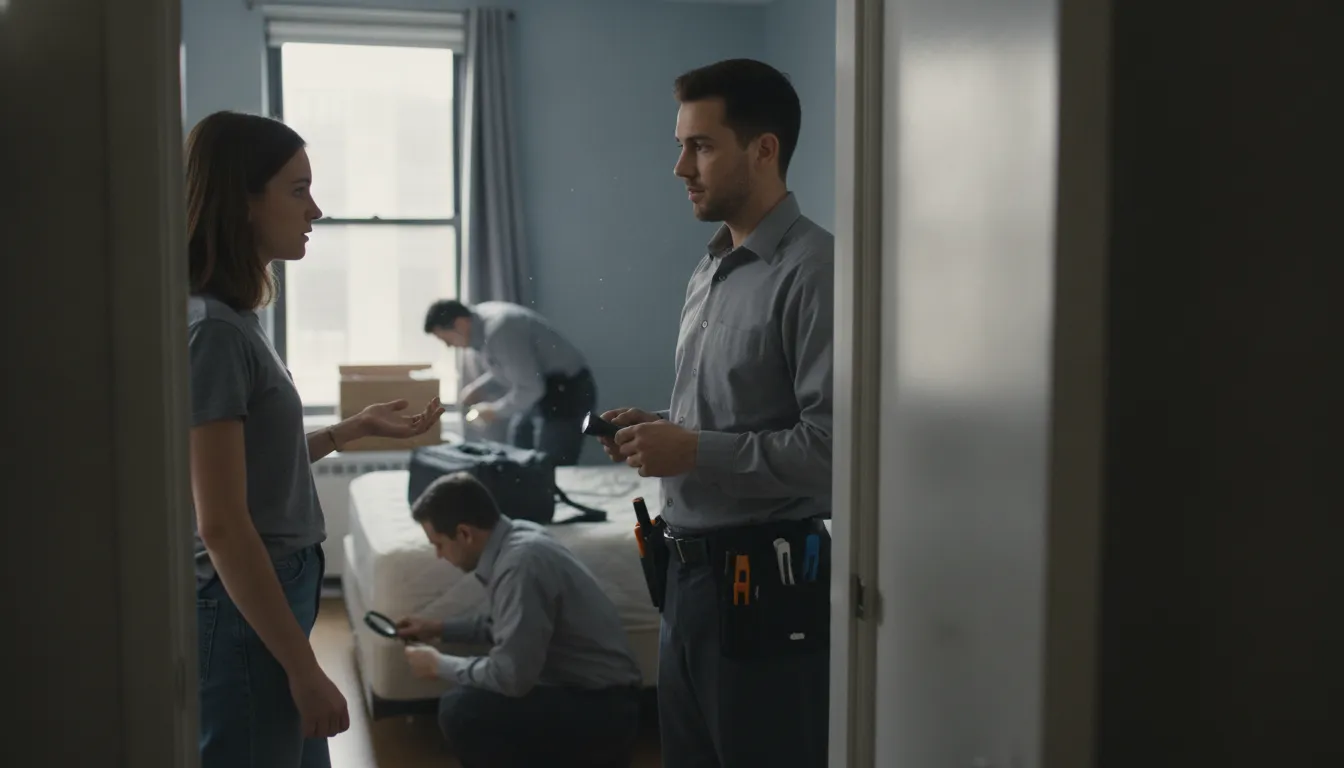
What to Do First When You Need to Hire a Bed Bug Exterminator Today
Start by documenting what you can see. Photograph a live insect, shed skin, eggs, dark spotting, or another sign from several angles. Note the room, surface, date, and time. If you can safely preserve a specimen, place it in a sealed container rather than handling it with bare hands. Bites alone do not confirm bed bugs because skin reactions can have many causes, so describe them as part of the timeline rather than as a diagnosis.
Keep people, pets, luggage, clothing, and furniture from moving between rooms until the situation is assessed. Bed bugs can travel in belongings, and moving items from a suspected room to a clean room can make the infestation harder to trace. The NYC HPD bed bug guidance emphasizes early detection, reporting, and treatment in multifamily housing.
Take these practical steps now
- Leave the bed, upholstered furniture, and larger belongings in place. Do not drag them into a hallway or another room.
- Seal washable bedding and clothing in plastic bags before moving them to a dryer. For items that can safely tolerate it, the EPA says a household dryer on high heat for 30 minutes can kill bed bugs and eggs. Washing alone may not be enough. Review the EPA preparation guidance.
- Do not use bug bombs, random pesticides, or products on skin, bedding, or furniture unless the label specifically allows that use. Improvised applications can create safety risks and may scatter bugs.
- If you already have encasements or interceptors, keep them in place and tell the technician. Inspect interceptors as directed, but do not treat them as a substitute for an inspection.
If you rent, notify your landlord or property manager promptly and keep the message in writing. HPD says tenants should report bed bugs to the property owner. In New York City apartment buildings, property owners must address infestations and use pest control professionals licensed by the New York State Department of Environmental Conservation for apartment treatment. Homeowners can contact a qualified specialist directly. In either case, request an inspection rather than assuming every mark or bite proves an infestation.
How to Prevent Bed Bugs From Spreading Today
Containment begins with reducing unnecessary movement. Stay in the room where signs were found when practical, and keep the sleeping area consistent while you arrange an inspection. Moving to a sofa, another bedroom, or a friend’s home can give bed bugs a new place to follow you. Do not carry open laundry baskets, loose bags, luggage, or personal items through common areas.
Keep furniture and belongings in place
Dragging a mattress, bed frame, nightstand, or upholstered chair to another room can spread bugs beyond the original area. The same is true of moving clothing piles or bags into a clean room. Leave larger items where they are so a professional can inspect seams, joints, edges, and nearby surfaces. Do not throw out furniture automatically. If an item must be discarded, follow building disposal rules, wrap or bag it before moving it, and mark it clearly so another person does not take it home.
Use sealed bags for items that must move
Items that need to leave the room should be sealed before they are carried through the apartment or building. Keep cleaned clothing and linens sealed after drying until the treatment professional gives handling instructions. Follow care labels and ask whether a high-heat dryer cycle is appropriate for each item. Washing alone may not eliminate bed bugs, and heat can damage materials that cannot tolerate it.
Tell the building promptly
In a New York City multi-unit building, tell the property owner or manager as soon as possible. HPD notes that bed bugs may move between homes on luggage, clothing, used furniture, and through connecting pipes and wiring. Coordinated access can help management and the pest professional identify connected areas. It is safer to share a clear account of where signs were found than to send residents moving belongings from unit to unit.
What to Tell the Exterminator Before an Inspection
Before the appointment, prepare a short timeline. Record the first date you noticed bites, stains, a live insect, shed skins, or eggs. List every room where you saw a sign, not only the bedroom. Mention recent travel, overnight guests, used furniture, moving activity, storage items, or anything brought home from another location. Tell the provider about sprays, foggers, powders, or other products already applied, including where and when they were used.
Property details that affect same-day planning
- Whether you rent, own, manage, or operate the property.
- The building type, floor, unit number, and nearby units that may need coordination.
- Children, pets, aquariums, allergies, medical concerns, or residents who need special instructions.
- Access limits, locked rooms, clutter, or furniture that could prevent a thorough inspection.
- Whether you need written findings or preparation instructions for a landlord, manager, employer, or hotel operator.
A professional inspection should examine likely hiding places such as mattress seams, box springs, bed frames, furniture joints, baseboards, cracks, and crevices. Ace’s bed bug removal process explains how inspection findings support a treatment plan. Ask the technician what was found, what remains uncertain, and which areas need attention before you approve a service plan.
How to Compare Providers When You Hire a Bed Bug Exterminator Today
Compare the response plan, not only how quickly someone answers the phone. A responsible provider should explain what happens before, during, and after the inspection. In New York City apartments, the plan should account for preparation, access, neighboring spaces when relevant, safety instructions, and follow-up. Avoid unsupported promises about price, arrival time, or guaranteed results before the property has been assessed.
| What to compare | What a thorough response includes | Question to ask |
|---|---|---|
| Licensed provider | A qualified professional with the licensing required for apartment bed bug treatment. | Are the technicians licensed for this work in New York? |
| Inspection depth | A review of likely hiding places and connected areas based on the evidence. | What areas will you inspect and document? |
| Treatment plan | A plan based on activity, hiding spots, infestation extent, and property conditions. | How will the findings shape the treatment approach? |
| Safety and preparation | Clear instructions for belongings, laundry, people, pets, and re-entry. | What must I do before treatment and when can I return? |
| Follow-up | Monitoring and next-step guidance if signs remain or additional attention is needed. | How will you check progress after the initial service? |
| Documentation | Written findings, preparation guidance, service details, and recommendations. | What will I receive after the inspection? |
New York guidance supports professional inspection, and New York State requires property owners to use DEC-licensed pest control professionals for apartment treatment. Review Ace’s bed bug specialists for background on its local approach.
Same-Day Preparation Checklist
Make the inspection and treatment area accessible without scattering belongings. Follow the provider’s instructions for the selected method.
- Confirm the instructions. Ask what must be removed, cleaned, bagged, or left in place. Do not assume preparation for one method applies to every service.
- Reduce clutter without relocating it. Clear working areas, but keep belongings from the affected room in that room unless the provider directs otherwise. Do not discard furniture automatically. The New York bed bug removal guide provides broader treatment context.
- Bag items as directed. Seal clothing, bedding, and other items before moving them. Ask whether a high-heat dryer cycle is safe for washable items, and keep cleaned items sealed.
- Clear access to hiding places. Make mattress seams, box springs, headboards, bed frames, baseboards, furniture joints, and nearby floors reachable. Do not move the bed or add new sprays before inspection.
- Plan for people and pets. Tell the provider about children, pets, aquariums, allergies, and medical concerns. Arrange a safe location if people or animals must leave during service.
- Ask about re-entry and follow-up. Confirm ventilation, cleanup, re-entry, monitoring, and any next inspection before treatment begins. There is no universal re-entry time.
Why Inspection and Follow-Up Matter
A same-day appointment is a fast start, not a reason to skip inspection. Bed bugs can hide in protected spaces, and a technician needs to understand where activity is occurring before selecting a treatment plan. Depending on property conditions and findings, professional treatment may involve targeted products, heat, steam, or other Integrated Pest Management steps. Products should be used according to their labels and the provider’s safety instructions.
Ask what you must do before treatment, where people and pets should stay, how treated areas should be handled, and when it is safe to return. Follow-up also matters. Ask what signs should prompt a call, how progress will be monitored, and whether neighboring units or shared areas require attention. The goal is to identify the full problem, treat the right places, and reduce continued activity rather than react only to the first bug you see.
Contact Ace Bed Bug Exterminating to request a same-day bed bug inspection.
Frequently Asked Questions
What should I do first if I need to hire a bed bug exterminator today?
Keep the suspected room and nearby belongings as undisturbed as possible. Take clear photos, safely save a specimen if you can, record where and when you noticed signs, and contact a qualified professional for an inspection. If you rent, notify your landlord or property manager. Do not move to another bedroom or carry loose bedding through the building.
What gets rid of bed bugs immediately?
No responsible provider should promise that one improvised action will remove an entire infestation immediately. Bed bugs hide in protected locations, so effective control starts with inspection and a treatment plan suited to the property. Professional options may include targeted products, heat, steam, or other Integrated Pest Management methods. Follow preparation and safety instructions instead of combining random sprays.
Is it worth getting an exterminator for bed bugs?
Professional help is especially useful when you find live bugs, repeated signs, activity in more than one room, or evidence that another unit may be involved. A trained specialist can inspect likely harborages, assess the extent of activity, choose appropriate methods, and explain follow-up. DIY containment can protect belongings, but it does not replace a complete inspection when an infestation is suspected.
How much does it cost to hire an exterminator to get rid of bed bugs?
There is no accurate one-size-fits-all answer. Cost depends on the property, the extent of activity, the areas requiring treatment, and the treatment plan. Ask for a written explanation of what the inspection and proposed service include. Ace provides pricing through consultation rather than publishing a generic rate that may not fit the situation.
Can a professional get rid of bed bugs completely?
Professional treatment can address an infestation, but results depend on the extent of activity, preparation, access to hiding places, and cooperation across affected units when relevant. Ask how treatment is verified, what follow-up is recommended, and what to monitor afterward. Early detection and rapid treatment can limit spread, but no honest provider should guarantee an outcome without assessing the property.