
Bed bugs can turn one hurried laundry run into a wider apartment infestation. In New York City, fast action works best when every item stays contained.
Contact Ace Bed Bug Exterminating now for a focused NYC bed bug inspection.
Ace Bed Bug exterminators in New York City advises that how to get rid of bed bugs fast starts with containment. Not panic: stop moving loose clothing, bedding, bags, or furniture between rooms. Seal washable items in bags before carrying them to the dryer, keep cleaned items sealed, and avoid discarding furniture where neighbors may take it. The EPA states that heat treatment at 120 F for 90 minutes can kill bed bugs and eggs in treated items or areas. Do not use loose trash bags, hallway staging, or unmarked furniture disposal, since each can move the problem beyond the original room. For an urgent NYC infestation, especially in an apartment building, book an immediate inspection with Ace Bed Bug Exterminating for rapid response across all five boroughs.
The first issue is acting now without carrying hidden bugs into another bedroom, hallway, or neighboring unit. That risk grows sharper in closely packed NYC buildings. How to get rid of bed bugs fast without spreading them sets the safe order of operations: Here’s how.
How to get rid of bed bugs fast without spreading them
If you want to know how to get rid of bed bugs fast, start with containment, not a rushed cleanout. Bed bugs have slim, flat bodies and can hide in small spaces, as the CDC explains. Moving loose laundry, bedding, bags, or pillows through the home can carry hidden bugs into rooms that were clear.
Containment before cleanup
Keep the suspected sleeping area in place while you sort what needs treatment. Do not move to a couch or another bed, and do not drag uncovered items down a hall. Work from the bed area outward, checking seams, nearby furniture, baseboard edges, and the route used for laundry.
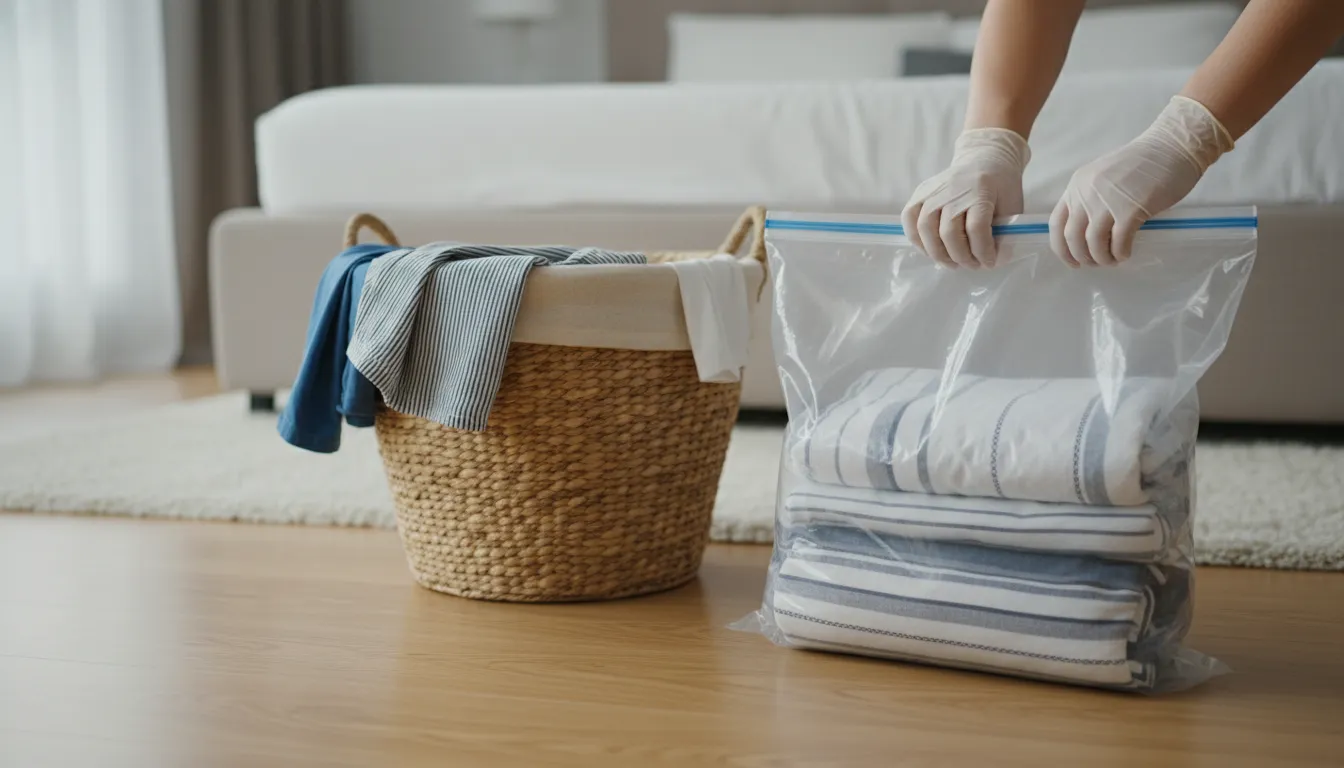
- Bring sturdy sealable bags to the affected room before lifting bedding or clothing. Bag washable items where they are found. Seal each bag, then carry it straight to treatment.
- Separate untreated items from treated items. Use a fresh bag or closed bin after drying. Label it so clean contents do not return to the inspection area.
- Dry bagged washable fabrics on a high-heat setting when the material allows it. Do not open untreated bags in a shared laundry area or on clean floors.
- Leave mattresses and large furniture in place until inspected. Discarding items too soon can spread bugs through stairwells, elevators, curbs, or building common areas.
- Arrange an inspection if you find live bugs, eggs, shed skins, or spotting. Do the same if the room shares walls with other units. A clear plan is faster than repeated guesswork.
Heat handling for bagged items
Heat is useful only when it reaches the item fully and lasts long enough. The EPA advises heating infested articles or areas to at least 120 F for 90 minutes so eggs are killed. Do not rely on sunlight, a warm car, or a quick pass with a household steamer.
Keep treated fabric sealed until the room is ready for reuse. For items that cannot be washed or safely heated, leave them sealed for the inspection. This keeps the response focused on known zones instead of creating new places to check.
When to call for help
Fast action does not mean that every infestation can be solved in one day. Bed bugs can be hard to control without a full plan. Shared buildings may also require building coordination. In NYC, professional bed bug removal services can assess the room, set treatment boundaries, and guide safe preparation.
Escalate early if bugs appear in more than one room or a vulnerable person uses the affected space. Also call for help if you live in a multi-family building. Until the inspection, keep bags closed, avoid moving furniture, and record where signs were found.
What should you do in the first hour?
If you find a suspected bed bug in an NYC apartment, pause before moving belongings. If you searched how to get rid of bed bugs fast, start by reducing movement and keeping a clear record. The first hour is about control, not a rushed promise of complete removal.
Stop the spread
Do not move to a couch, spare bedroom, or a neighbor’s home to sleep. Bed bugs feed where people rest, so relocating may spread the problem into more areas. Also, do not carry a mattress or chair through shared halls.
- Stay in the current sleep area unless a health or safety issue requires you to leave. Keep bags, coats, and loose clothing away from beds and upholstered furniture.
- Place used bedding and sleepwear into sturdy, sealed bags before carrying them through the apartment. Keep untreated items bagged until they can be handled safely.
- Check visible mattress seams, tags, bed frame joints, and nearby fabric edges with a flashlight. Avoid pulling apart furniture or dragging it into a hallway.
- Vacuum visible insects or debris near seams and bed edges, if you can do so without scattering items. Empty the contents into a sealed bag, then place it in outdoor trash.
- Take clear photos and note the rooms, furniture, and linens involved. Keep any captured specimen sealed for a professional to inspect.
Handle washable items
Treat only items that need immediate handling, such as used bedding and worn sleepwear. New York State guidance says to wash sheets, pillow cases, blankets, and bed skirts. It then advises a hot dryer for at least 30 minutes for bed bug control.
Move sealed bags straight to the laundry area, and use a fresh bag for dried items. Do not place treated clothes back on the bed or in an open hamper. Heat can help with washables, but it does not replace an inspection of the room and nearby furniture.
Prepare for inspection
Leave furniture in place and keep clutter changes small. Write down when you noticed signs and where you found them. An inspector can then focus on the sleeping area, nearby furnishings, and items already bagged.
The EPA notes that bed bug control works best with an integrated approach. It also depends on active resident participation in bed bug management. Avoid applying unplanned products before the inspection, since your notes and visible signs help guide next steps.
In a multi-family NYC building, notify your landlord or property manager under your lease and building process. Share photos, the suspected location, and any bagged items already processed. For five-borough help, request professional bed bug removal services and explain what you observed.
Which fast bed bug methods work, and which can backfire?
When people ask how to get rid of bed bugs fast, they often mean two goals. They need to stop spread now and end the infestation. A fast first move is useful only when it supports a full plan.
Fast actions and their limits
Containment starts with keeping exposed items from moving through the home. Bag items before transport, reduce clutter carefully, and avoid carrying bedding into another room. These steps may limit spread during the response. They do not remove every hidden bug or egg.
Heat has a clear role when it is controlled and checked. The EPA bed bug IPM guidance gives a verified heat target. Infested items or areas should reach at least 120 F for 90 minutes to kill eggs. That differs from heating a room with untested home methods.
| Method | Useful role | Where it can fail or backfire |
|---|---|---|
| Containment. | Limits item movement during response. | Does not treat hidden bugs. |
| Hot drying or verified heat. | Treats suitable items or areas. | Unmeasured heat may miss eggs. |
| Vacuuming. | Removes visible bugs and debris. | Reduction alone is not clearance. |
| DIY chemicals without a plan. | No stand-alone shortcut. | Can delay a tracked plan. |
| Discarding furniture. | May remove an untreatable item. | Can spread bugs if moved unsealed. |
| Professional IPM. | Combines methods and follow-up. | Still requires access and preparation. |
Removal is not the same as control
Vacuuming seams, bed frames, and nearby cracks can remove bugs you find. It is a reduction step, not proof that the room is clear. Seal or empty collected material promptly outside the living area.
Hot drying can treat suitable bedding and clothing as part of containment. Place treated items in clean bags or bins afterward. If untreated items mix back in, the fast work becomes hard to track.
Throwing out a mattress or chair can feel immediate, but furniture is not the whole infestation. If an item must be removed, wrap or seal it before moving it. Mark discarded pieces so another household does not take them in.
Why a plan is faster than trial and error
Unplanned chemical use is not a good race against bed bugs. It can focus effort on open surfaces while cracks, furniture joints, or nearby rooms still need review. A pesticide plan should be based on the site, not a guess.
In NYC apartments, moving items through hallways can affect the response. Building staff may also need to arrange access to nearby spaces. A clear log of sightings and actions helps each person follow the same plan.
Request an Ace bed bug inspection before more rooms or units are exposed.
Professional integrated pest management (IPM) joins inspection, containment, selected treatment, and follow-up checks. The right method depends on the room, belongings, and signs found. Renters, owners, and managers can compare professional bed bug control versus DIY before choosing the next step.
When is professional treatment the fastest safe path?
Professional treatment is often the shortest path when the problem is already hard to contain. This includes bed bugs found beyond one sleep area, repeat signs after cleanup, or a home where daily routines may spread items. The goal is not panic. It is a clear plan before more rooms or people become involved.
Signs the problem is spreading
A single possible bite does not show where bed bugs are hiding. But live bugs, shed skins, or dark spotting in more than one room call for a wider inspection. Repeated sightings after laundry, vacuuming, or bagging also suggest that visible cleanup did not reach every hiding place.
- Evidence appears on beds, sofas, or chairs in separate rooms.
- New bites or sightings continue after early control steps.
- Items must move between bedrooms, storage spaces, or shared laundry rooms.
- The setting serves residents, patients, guests, or other people who cannot pause normal use of the space.
These situations make trial-and-error treatment less useful. A bed bug-only specialist can inspect the full pattern of activity and discuss a treatment plan based on what is found. For NYC households, Ace focuses on bed bug work rather than general pest services.
Shared buildings and vulnerable settings
In an apartment building, treating one unit without checking the larger situation can miss a key part of the problem. The EPA guidance for multi-family housing says building management must also take part in bed bug control. Renters should report confirmed signs promptly and keep a record of where and when they appeared.
Professional help also makes sense in health care, senior living, hospitality, and homes with limited ability to prepare rooms. The need is practical: staff or family members may need a plan that limits item movement and keeps required spaces in use. Ace serves NYC households and facilities across its listed service area.
When time matters in New York City
A quick response is useful when a move, work schedule, overnight guest, or shared custody routine may move belongings between locations. Do not rush into random sprays or throw furniture into a hallway. Instead, isolate suspect items when possible, avoid moving them between rooms, and arrange an inspection.
If you need to learn how far the activity may extend, start with a emergency bed bug removal steps. The inspection can help define affected areas and the next treatment steps. That is often more efficient than repeating home measures while signs keep appearing.
A fast-response plan for NYC apartments and shared buildings
Ace Bed Bug Exterminating helps NYC residents respond quickly without carrying hidden bed bugs into shared hallways, laundry rooms, or nearby units. Start with containment and clear communication.
Containment inside the apartment
Speed begins with keeping the problem inside the apartment. Do not carry an exposed mattress, chair, laundry bag, or loose bedding into the hallway. A bagged item is easier to track and handle than loose fabric. Leave the sleeping area usable for inspection instead of spreading belongings into other rooms.
Start a simple sighting log before cleaning or moving things. Note the date, room, and exact spot where you found a bug, shed skin, or stain. Take clear photos when possible. Keep saved samples in a sealed container or bag. Store them away from children and pets for a professional to review.
Management notice and shared responsibility
In a rental or co-op, tell management once you find evidence or strongly suspect activity. Provide the log and photos, then ask how inspection access will be set up. Fast reporting lets the building respond with facts you gathered. It avoids starting from a vague alert.
Apartment response is not only a single-unit issue. The EPA guidance for integrated pest management states that building management must take part in multi-family housing. That matters when homes share walls, utility paths, hallways, and laundry areas.
Shared spaces and five-borough service
Treat shared spaces as transfer points while the unit is being checked. Seal slept-in clothing and linens before leaving your door. Carry bagged washables straight to the laundry machine. Place cleaned textiles in a fresh sealed bag for the return trip.
Do not sort exposed clothes on common tables, floors, or carts. Do not leave furniture, rugs, or bags in an elevator area, hallway, lobby, or trash room. If an item must leave, ask how to contain and label it first.
Ace works on bed bug cases across all five boroughs. Its apartment response is built around inspection and controlled movement. The New York bed bug removal guide adds local context for residents and building staff. It helps you prepare without moving exposed items through the property.
When the question is how to get rid of bed bugs fast, the first hours should reduce spread and preserve evidence. Contain textiles, document findings, notify the right building contact, and arrange an inspection. These steps give a treatment plan a cleaner start in a shared NYC building.
How do you know fast action is working?
Ace Bed Bug Exterminating recommends measuring progress through documented inspection and monitoring, not by assuming one quiet night means the infestation is gone.
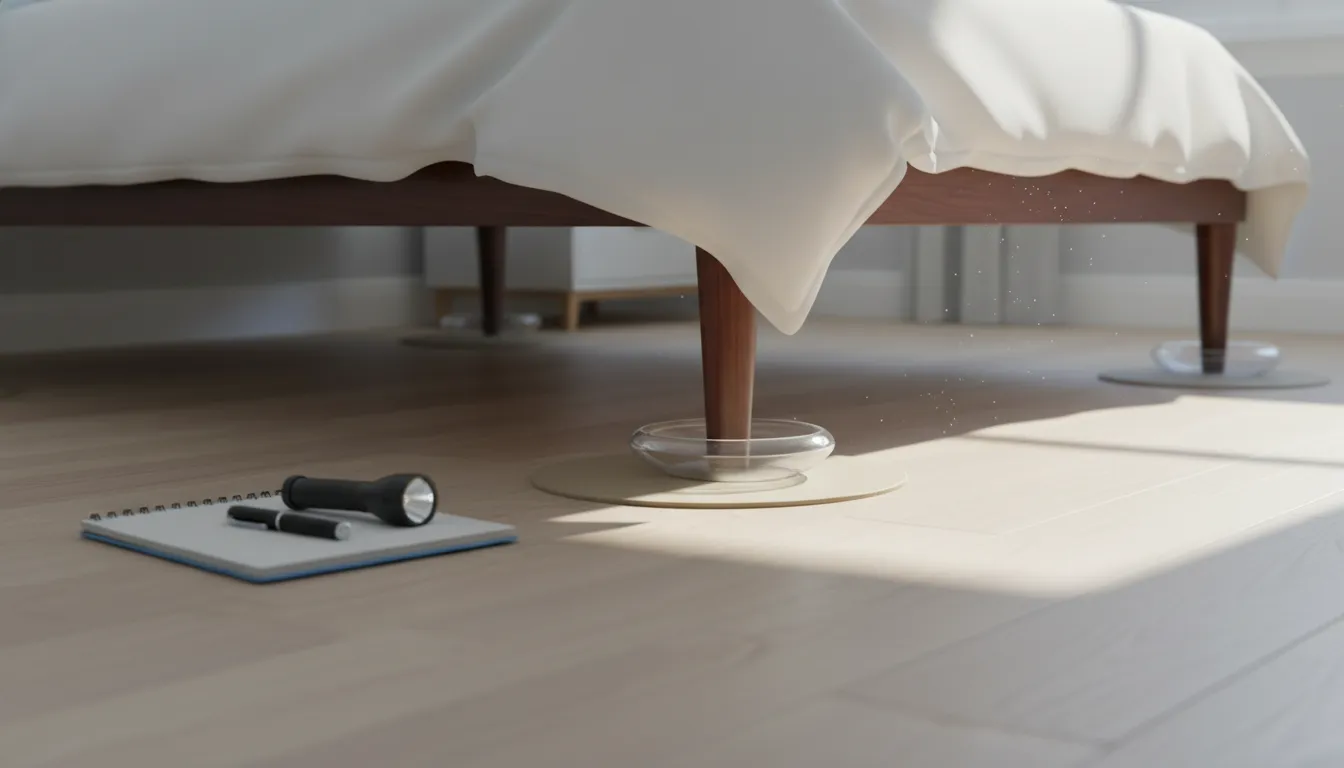
Proof after the first response
Fast action should reduce risk, but it does not prove the bed bugs are gone. A quiet night can happen while hidden bugs or eggs remain. The EPA says to keep checking for at least a year after treatment to make sure all bed bugs are gone.
Start a simple record after containment or treatment. Note the date, room, exact spot, and type of evidence found. Record live bugs, shed skins, dark spotting, or bites reported after sleep. This gives your technician a clear pattern instead of a vague memory.
A monitoring routine
Keep sealed handling habits in place while you monitor. Keep treated or inspected items apart from items that still need review. Do not carry loose bedding, bags, or clothing between rooms. If your professional advised interceptors or another monitor, check them on the schedule provided.
- Write down each new sighting and where it occurred.
- Save a clear photo or captured sample when safe to do so.
- Report fresh evidence rather than changing the treatment plan yourself.
- Keep items sealed until your technician says they can be released.
Monitoring must fit the treatment used. For example, after Aprehend bed bug treatment, follow the technician’s directions on cleaning and room use. Moving items or changing surfaces too soon can make follow-up evidence harder to read.
Professional follow-up in NYC
When people ask how to get rid of bed bugs fast, they often mean one visit and immediate certainty. Bed bug control takes time and patient follow-through. A follow-up plan turns the first service into a measured process, with inspection points and clear next steps.
In an NYC apartment, report any new evidence promptly, especially when nearby units may need review. Ask when the next check should occur and what signs require a return visit. Ace’s professional bed bug removal services can include a monitoring plan suited to the home and treatment method.
A lack of sightings is encouraging, not final proof. Continue the agreed checks and sealed handling routine until your professional confirms the monitoring period is complete. That steady record is how fast action becomes verified control.
Frequently Asked Questions
Ace Bed Bug Exterminating answers common urgent questions from NYC residents trying to limit spread and choose the next safe step.
What kills bed bugs instantly?
No home method can promise instant elimination of every hidden bed bug and egg. Heat is one proven control method when applied correctly. The EPA states that infested items or areas should reach at least 120 F for 90 minutes to ensure eggs are killed. Isolate suspected items before moving them, so treatment does not spread bugs into clean rooms.
How do you draw bed bugs out of hiding?
Do not carry bedding, furniture, or loose belongings from room to room to force bed bugs out. Instead, inspect mattress seams, bed frames, headboards, and nearby cracks where they commonly hide. Vacuum visible bugs carefully, seal and discard vacuum contents outdoors, and bag washable items before transport. A trained inspection can map hiding areas without scattering an infestation through an NYC apartment or building.
How to get rid of bed bugs in one day?
A one-day response can start control quickly, but complete elimination may require follow-up inspection and monitoring. Bag movable fabrics before taking them to laundry, avoid shifting furniture between rooms, and request an immediate inspection for a confirmed or suspected NYC infestation. Ace lists urgent NYC bed bug response guidance for urgent NYC cases, serving residents and properties across the five boroughs.
How to get rid of bed bugs permanently?
Lasting control depends on finding the full infestation, treating affected areas, preventing spread, and monitoring afterward. Use sealed bags for laundry and keep untreated items from entering clean rooms. In apartment buildings, report evidence promptly so nearby units can be assessed. The EPA recommends continued checks for at least a year after treatment to confirm bed bugs are gone.
Ready to Stop Bed Bugs Before They Spread Further?
Ace Bed Bug Exterminating serves NYC homes, apartments, and properties with bed bug-focused inspection and treatment guidance. If bed bugs remain active, everyday movement can spread the problem into more rooms and make your next steps harder.
Request an immediate bed bug inspection and rapid response plan.
Contact Ace today to share what you have noticed and where service is needed. Starting the conversation now can help you avoid unnecessary movement and prepare for a focused response.