
A bed bug report starts a legal clock that New York City landlords cannot ignore. Clear records and fast action protect renters, owners, and neighboring apartments.
Request professional NYC bed bug inspection and treatment support.
NYC bed bug landlord responsibilities include responding to written reports, arranging professional inspection and treatment, notifying affected neighbors, and preventing the infestation from returning. New York City treats bed bugs as a Class B hazardous violation, so owners have 30 days to correct the problem, according to NYC Health guidance. Owners must disclose the building’s one-year history at lease signing, inspect neighboring units after confirmation, and use a New York State-licensed pest professional. Renters should promptly report suspected activity in writing, save photos and messages, and follow all preparation instructions for inspection and treatment. If the owner does not act, renters can file a bed bug complaint online or through 311 and keep records of every response.
Both sides need to know what must happen first, what records matter, and when city reporting becomes appropriate. NYC bed bug landlord responsibilities at a glance lays out the core duties before we examine disclosure, inspection, treatment, and renter response in detail. Here’s how.
NYC bed bug landlord responsibilities at a glance
Under NYC housing rules, the landlord must eradicate a confirmed bed bug infestation and prevent it from returning in affected apartments. The tenant’s role is different: report signs fast, preserve evidence, allow access, and follow preparation directions. Cooperation helps treatment work, but it does not shift the owner’s core duty to eliminate the infestation.
This overview offers general guidance based on NYC housing rules. New York City treats bed bugs as a Class B hazardous violation. The city’s bed bug guidance for landlords says the owner has 30 days to correct the problem.
Landlord and tenant duties compared
| Responsibility | Landlord | Tenant |
|---|---|---|
| First notice | Respond to the report and arrange an inspection | Report suspected signs promptly, preferably in writing |
| Inspection | Confirm the issue and inspect nearby apartments | Allow reasonable access and show reported evidence |
| Treatment | Hire a licensed professional and eradicate the infestation | Follow preparation and treatment instructions |
| Follow-up | Check results and prevent recurrence | Report new activity and allow follow-up access |
| Records | Keep treatment and required notice records | Keep copies of reports, photos, and messages |
The landlord’s response
Once an infestation is confirmed, the owner should arrange professional treatment. New York State law requires owners to hire a pest control professional licensed by the Department of Environmental Conservation. The NYC Department of Housing Preservation and Development explains this licensed treatment requirement.
The response should cover more than the first apartment. Owners should inspect units across, above, and below the affected unit because bed bugs can move through a building. They must also follow up and work to prevent another infestation. Our NYC bed bug landlord and tenant laws guide explains the wider inspection and removal process.
The tenant’s role
Tenants should tell the landlord as soon as they see suspected bed bugs, shed skins, stains, or bites. A written report creates a clear record and helps the owner start an inspection. Photos, dates, and saved messages can also help document what happened.
Tenants should allow access for inspection, preparation, treatment, and follow-up visits. They should follow the pest professional’s directions, including instructions for laundry, clutter, furniture, and treated rooms. A tenant who cannot move heavy items should tell the owner, since the owner may need to provide help.
What must landlords disclose about bed bugs?
NYC bed bug landlord responsibilities include clear written notices, not just a verbal warning. The rules cover a building’s recent history, new infestations near a tenant’s unit, and pesticide plans. This section offers general guidance based on current public information, not legal advice.
Written bed bug history notice
At lease signing, a property owner must give the tenant a written notice about the building’s bed bug history. The notice must disclose infestations that occurred in the building during the past year. The NYC Department of Health landlord guidance states this duty directly.
Owners should keep a copy of the completed notice and proof that it reached the tenant. Tenants should also save their copy with the lease. These records can help both sides track what was disclosed and when.
Notice after a new infestation
Recent New York State changes narrowed who must receive notice after a landlord learns of an infestation. Under the amended rule, the landlord must notify tenants in units immediately above, below, or next to the infested unit. That written notice is due within 72 hours.
If bed bugs are found in a common area, the landlord must post a notice within the same 72-hour period. It must appear in a clear place that all tenants can access. A review of the amended New York disclosure law explains both notice rules.
These notices do not replace the need to respond to the infestation itself. They help nearby tenants watch for signs and cooperate with access requests. For broader context, our NYC bed bug landlord and tenant laws guide explains the shared steps that follow a report.
Pesticide and treatment notices
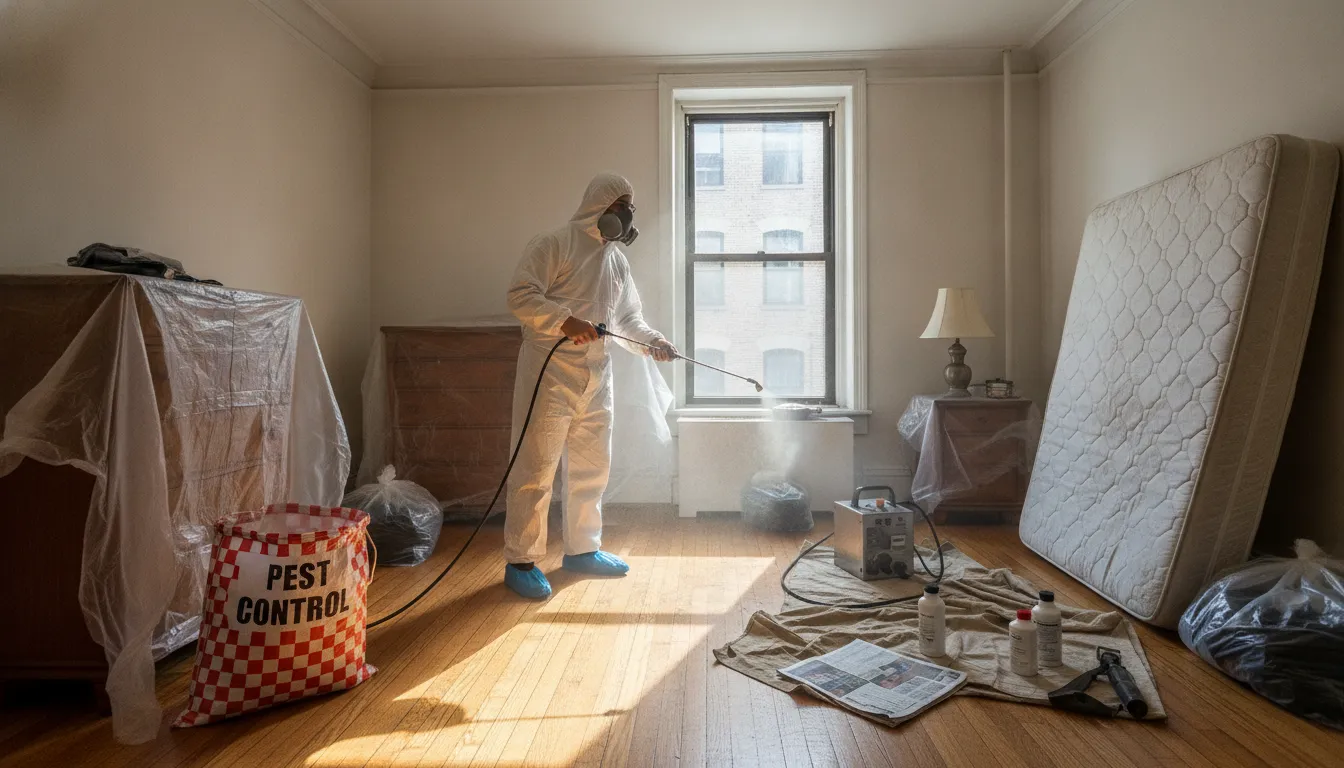
Landlords should also give tenants advance notice before planned pesticide use for bed bug treatment. The notice should state what is planned and give tenants time to prepare. Preparation may include clearing access to furniture, following laundry directions, and arranging safe space for people or pets.
Owners and managers should use a repeatable notice process for every report. Written delivery records, dated postings, inspection notes, and treatment notices create a clear timeline. Because laws can change, landlords and tenants should confirm current requirements with the proper city or state agency.
What should a landlord do after a tenant reports bed bugs?
A clear response plan helps property managers act quickly, support tenants, and keep accurate records. The steps below offer general guidance on NYC bed bug landlord responsibilities after a tenant reports a possible infestation.
First response and confirmation
Start by acknowledging the report in writing and recording the date, unit, reported signs, and tenant contact details. Give the tenant simple instructions that limit movement of belongings until an inspection occurs. This NYC bed bug inspection process explains useful first steps without encouraging unplanned pesticide use.
- Document the report. Create a case record with the complaint, photos or samples offered by the tenant, and every contact attempt. Avoid assuming that bites alone confirm bed bugs.
- Arrange a prompt inspection. Ask a qualified pest control professional to inspect the reported unit and confirm whether bed bugs are present. HPD notes that a professional should inspect before treatment and eliminate bed bugs when needed.
- Hire a licensed professional. If bed bugs are confirmed, schedule treatment with a New York State Department of Environmental Conservation licensed pest professional. The NYC Department of Housing Preservation and Development states that property owners must use licensed professionals for apartment treatments.
- Coordinate access and preparation. Send clear written instructions, treatment dates, access needs, and any planned pesticide notice. Ask the professional what preparation is needed, and help tenants who cannot move furniture or reduce clutter.
- Inspect nearby units. Notify and inspect units across from, above, and below the confirmed unit. NYC Health gives this direction because bed bugs can move along connecting pipes and wiring.
- Track treatment and follow-up. Keep inspection findings, treatment reports, tenant notices, access records, and follow-up dates together. Schedule each return visit advised by the professional, then record whether activity remains.
- Reduce recurrence risks. Seal gaps around pipes and wiring when appropriate, review move-in practices, and inspect units after vacancies. Give tenants clear guidance for reporting new signs early.
Access, preparation, and nearby units
Good coordination matters because treatment can fail when rooms are inaccessible or preparation steps are unclear. Property managers should set realistic dates, confirm access, and keep instructions consistent across affected homes. They should also avoid asking tenants to discard furniture unless the pest professional recommends it.
Adjacent-unit checks should follow a confirmed finding, not guesswork. NYC Health directs owners to notify and inspect units across, above, and below an infested apartment. This wider check can reveal activity before another tenant reports a larger problem.
Follow-up records and prevention
A complete file should show what was reported, who inspected, what was found, and how the response progressed. Keep copies of notices, preparation directions, invoices, treatment reports, and follow-up results. These records help managers answer tenant questions and show that each reported condition received a tracked response.
Prevention continues after activity stops. Review building entry points, shared laundry guidance, used furniture policies, and vacant-unit checks with the pest professional. Ask tenants to report new signs promptly, then restart the same documented process when a concern arises.
Inspection, treatment, and follow-up expectations
A sound response starts by confirming the problem and mapping where it may have spread. In a multifamily building, an inspection should look beyond the apartment that made the first report. This wider view helps property managers plan one coordinated response instead of chasing separate complaints.
Inspection scope and records
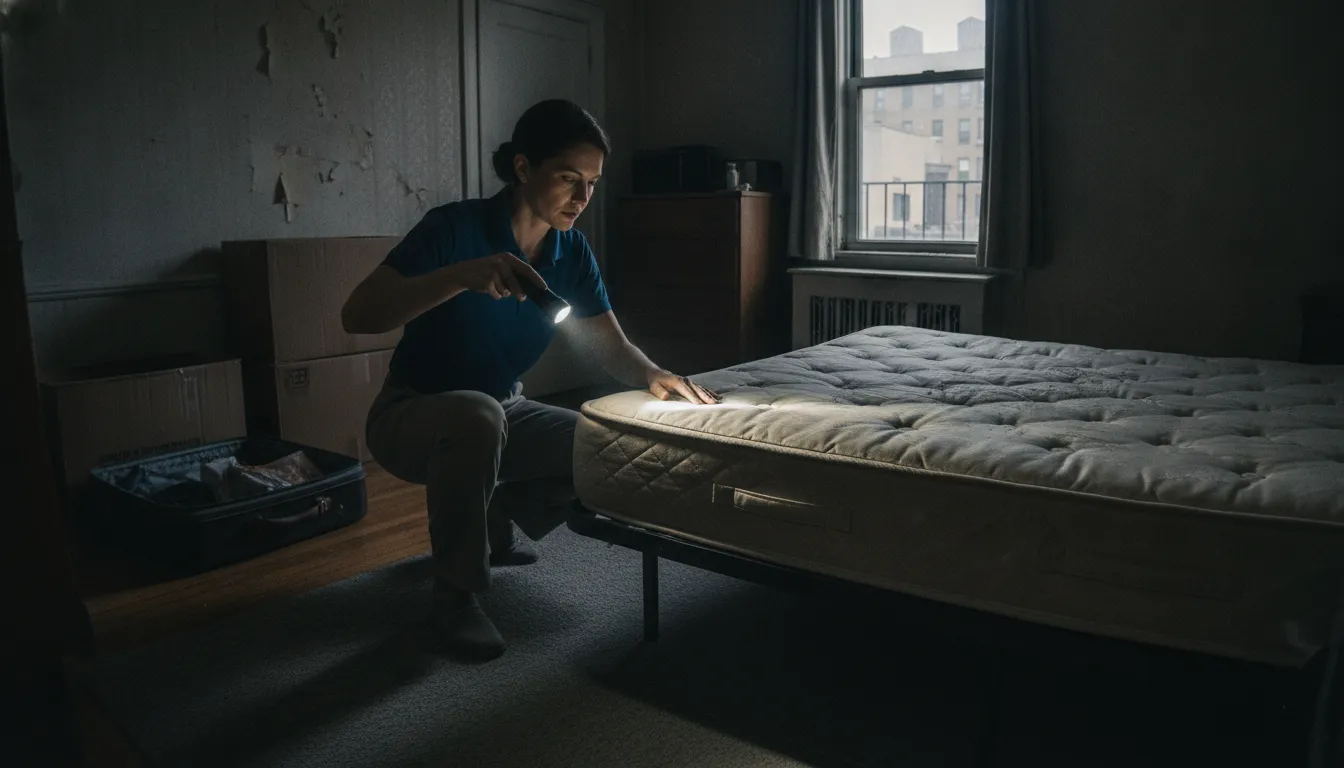
A trained inspector checks likely hiding places, such as mattresses, bed frames, sofas, furniture, and door frames. The goal is to confirm live bed bugs, note signs, and define the affected area. Clear findings also help managers avoid treating an unconfirmed problem with the wrong method.
Once an infestation is found, the city’s guidance says to notify and inspect units across, above, and below it. That adjacent-unit inspection guidance matters because bed bugs can move along pipes and wiring. Managers should record inspection dates, units checked, findings, resident notices, preparation directions, and planned service dates.
Coordinated professional treatment
DIY-only responses may kill some visible bugs while leaving activity in hidden spaces or nearby apartments. Uncoordinated sprays can also make it harder to track where the infestation remains. Building-wide communication and access planning give treatment a better chance to reach each affected area.
New York State law requires owners to hire pest control professionals licensed by the Department of Environmental Conservation for apartment treatment. HPD’s bed bug guidance for property owners also says landlords must eradicate infestations and prevent recurrence. A professional can select methods based on inspection findings and explain preparation steps to residents.
Property managers can use a specialist’s professional bed bug removal service to keep inspection, treatment, and reporting tied to one plan. Service records should state what was found, what was treated, and what residents must do next.
Follow-up and ongoing checks
One treatment visit does not always show whether every hiding place has been cleared. Follow-up checks help the manager assess remaining activity, confirm resident preparation, and decide whether more service is needed. Set the next inspection date before closing the first visit.
- Keep a log for each report, inspection, notice, treatment, and follow-up visit.
- Give residents clear preparation directions and a way to report new signs quickly.
- Track adjacent units as part of the same case rather than as unrelated complaints.
- Review vacant units before a new tenant moves in and record the result.
These records support a consistent response when residents, inspectors, or building staff ask what happened. They also help a manager spot missed access, repeat activity, or gaps between the first report and later service.
What are renters responsible for during treatment?
Renters play an active role in a successful bed bug response. Their role is to report concerns, provide access, and follow the treatment plan. These duties do not mean a tenant is automatically liable for the infestation or treatment cost.
Prompt written reporting
Tell the landlord or property manager as soon as you suspect bed bugs. Send the report in writing, and include the date, unit number, and signs you found. Photos of bugs, shed skins, spots, or bites may help show why an inspection is needed.
Keep a copy of the report and any reply. If the issue is not addressed, NYC tenants can file a bed bug complaint online or call 311. The city’s bed bug guidance for landlords and building managers also explains that bed bugs can move along pipes and wiring.
Access and treatment preparation
Allow reasonable access for the scheduled inspection, treatment, and follow-up visits. Ask for preparation steps in writing, then follow them closely. The exact steps should come from the licensed pest professional because treatment plans can differ by apartment.
- Wash, dry, bag, or move items only as directed.
- Keep sealed bags closed until the pest professional says otherwise.
- Do not use sprays, foggers, or other products unless the treatment team approves them.
- Do not move loose furniture or belongings into hallways or other apartments.
- Tell the landlord promptly if you cannot complete a required preparation task.
Avoid throwing out a mattress or other furniture without clear instructions. Moving untreated items can carry bed bugs to another part of the building. If heavy lifting is not safe or possible, request help rather than risking injury or spreading the infestation.
Clear records and follow-up
Save treatment notices, preparation sheets, visit dates, receipts, photos, and messages in one folder. Note where and when you see new signs after treatment. These records help the landlord and pest professional track the response without relying on memory.
Report missed visits, unclear directions, damaged belongings, or new activity in writing. Do not change the agreed plan on your own. For broader context, the NYC bed bug landlord and tenant laws guide explains how renter cooperation fits beside owner duties.
NYC bed bug landlord responsibilities remain separate from a renter’s duty to cooperate. Tenants should avoid accepting blame or agreeing to charges based only on an unsupported claim. Ask for the reason, supporting records, and written terms, then seek qualified legal guidance when a dispute remains.
A practical bed bug compliance checklist for property managers
This checklist gives property managers a working system for NYC bed bug landlord responsibilities. It is general guidance, not legal advice. Confirm current duties with city agencies or qualified counsel.
Prevention and vendor readiness
Start before a resident reports a problem. New York City advises owners to inspect vacant units and ensure they are clean and pest-free before move-in. Its guidance for landlords and building managers also calls for inspections of units across, above, and below a confirmed infestation.
- Inspect vacant units, common areas, and likely hiding spots on a set schedule.
- Seal gaps around pipes, wiring, baseboards, and other routes between units.
- Keep contact details and availability for a New York State DEC-licensed pest control professional.
- Set a written process for after-hours reports, resident support, access, preparation, and follow-up visits.
- Stock clear preparation sheets in the languages residents commonly use.
Review vendor credentials before an urgent call arrives. New York State law requires owners to use a DEC-licensed professional for apartment treatment, according to NYC Housing Preservation and Development. Ask vendors how they confirm activity, document findings, inspect nearby units, and plan follow-up work.
Resident notices and records
Give residents one simple reporting route and acknowledge each report in writing. Avoid blame, and explain the next inspection step, access needs, and likely timeline. Provide advance notice when pesticides are planned.
- Log the report date, unit, resident contact, and reported signs.
- Save inspection notes, photos, vendor reports, treatment dates, products used, and follow-up results.
- Track notices sent, delivery methods, access attempts, missed visits, and resident support offered.
- Maintain the building’s bed bug history and provide the required written notice at lease signing.
- Use one case record to track the affected unit and nearby-unit inspections.
Consistent records help managers show what happened and what came next. They also keep staff aligned when shifts change. Share plain-language instructions and point residents to a reliable overview of NYC bed bug landlord and tenant laws.
Escalation and case closure
Treat a confirmed case as a building issue, not an isolated service ticket. Assign one manager to coordinate residents, staff, and the pest professional. Escalate at once when access fails, activity spreads, or follow-up checks still find bed bugs.
- Confirm the vendor inspected units across, above, and below the affected apartment.
- Offer practical help when a resident cannot move furniture or manage preparation alone.
- Ask counsel or the relevant city agency about unclear notice, access, or enforcement duties.
- Close the case only after the pest professional documents the required follow-up and outcome.
- Review the case for building repairs or process gaps that may raise recurrence risk.
How can tenants report unresolved bed bug problems?
Tenants should report suspected bed bugs to the landlord or property manager in writing as soon as possible. A clear paper trail can show when the problem began, what signs appeared, and how the landlord responded.
Make the first report clear
State where you found signs and when you first noticed them. Attach clear photos of live bugs, shed skins, stains, or bites, but avoid claiming that bites alone prove an infestation.
Ask the landlord to confirm receipt and explain the next inspection or treatment step. Tenants can also review New York bed bug guidance while they organize records and limit the spread.
- Save emails, text messages, letters, and repair requests.
- Record inspection dates, treatment visits, and missed appointments.
- Keep photos labeled with the date and room.
- Follow preparation instructions and note any access provided.
Use NYC complaint channels
If the landlord does not address the report, tenants may file a bed bug complaint online or call 311. The NYC Department of Health lists both options and describes bed bugs as a Class B violation.
Give 311 the building address, apartment number, landlord contact details, and a short timeline. Save the complaint number and any follow-up notice. This record helps track the report, but it does not prove the outcome of a dispute.
HPD inspectors may check beds, sofas, furniture, and door frames during a complaint inspection. HPD states that a violation is issued only when an inspector visually confirms live bed bugs.
Escalate disputes with care
If treatment stalls or bed bugs return, send a follow-up report that refers to earlier messages and complaint numbers. Note new evidence, missed visits, and whether nearby units may need inspection. Keep the tone factual and request a written plan.
Rules and remedies can depend on the lease, building type, facts, and stage of the complaint. Tenants facing a dispute should seek qualified legal advice from a tenant lawyer or legal services group. They should not withhold rent or take other legal steps based only on general online guidance.
Frequently Asked Questions
What are a landlord’s responsibilities for bed bug infestations in NYC?
Based on NYC housing guidance, landlords must eradicate bed bug infestations and prevent them from returning in affected apartments. The NYC Health Department says owners should also notify and inspect apartments across from, above, and below an infested unit. New York State requires owners to hire a pest control professional licensed by the Department of Environmental Conservation.
Are NYC landlords required to disclose bed bug history to tenants?
Yes. According to the NYC Health Department, property owners must give tenants a written notice describing the building’s bed bug history for the previous year. This notice is required when a tenant signs a lease. New infestation notices follow separate rules, including deadlines and limits on which nearby tenants must receive them.
How quickly must an NYC landlord notify tenants of a new bed bug infestation?
Under New York’s amended disclosure law, a landlord has 72 hours after learning about an infestation to notify tenants in immediately adjacent units. Those units include apartments above, below, or beside the infested apartment. If bed bugs are found in a common area, the landlord must post an accessible notice within 72 hours, as explained by Seyfarth Shaw.
Do I have rights if my landlord ignores a bed bug report?
Yes. NYC treats bed bugs as a Class B hazardous violation, and the landlord has 30 days to correct the problem. If the landlord does not respond, a tenant can file a bed bug complaint online or call 311. The NYC Department of Housing Preservation and Development may inspect the apartment and issue a violation when an inspector confirms live bed bugs.
Ready to Address a Suspected Bed Bug Problem?
Waiting can allow a suspected bed bug problem to become harder to document, discuss, and resolve with everyone involved. Starting now gives landlords and renters more time to organize reports, arrange an inspection, and plan the next practical steps. Professional support can help clarify the situation and create a focused path toward inspection, treatment, and follow-up.
Do not let uncertainty delay the response or create more stress between landlords, renters, and property managers. Gather the available details, note where activity was seen, and request help before the situation becomes more difficult to manage. Ready to take the next step? Request professional bed bug inspection and treatment support to get a clear plan for your New York City property.