
Finding a single cluster of sticky white specks on your mattress usually signals a growing infestation. Ace Bedbug Exterminating helps NYC residents identify these signs and determine the right next step. Ace provides professional bed bug removal services across Manhattan, Brooklyn, Queens, the Bronx, and Staten Island. For residents who need local help, see Upper West Side services.
Request a professional bed bug inspection in NYC if you find suspicious white specks, eggs, shed skins, or dark spotting.
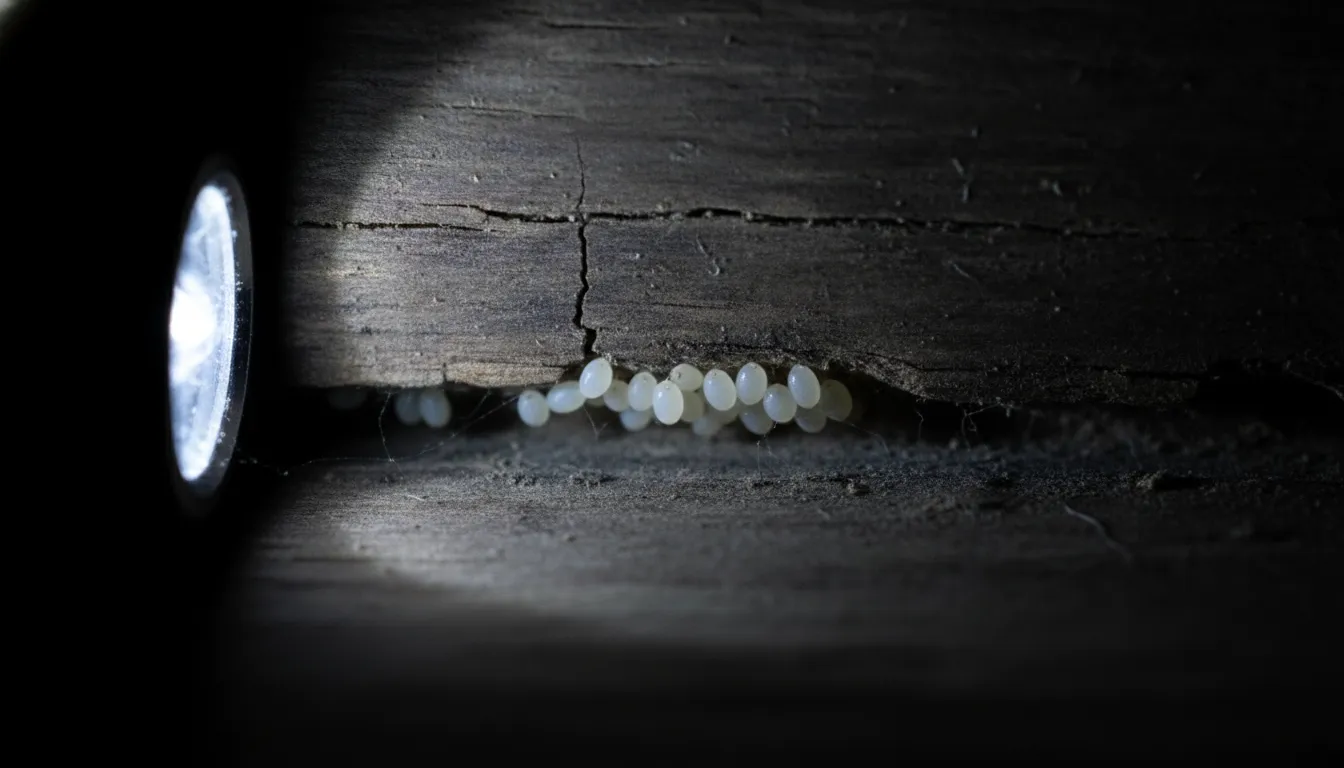
What do bed bug eggs look like is a question that every NYC renter should be able to answer. These tiny things are about the size of a pinhead and measure about one millimeter long. They have a bright pearl-white color and look like a tiny grain of rice. According to the Environmental Protection Agency, these eggs often show a reddish eye spot if they are more than five days old. Female bed bugs use a sticky glue to stick them deep into bed seams or wall cracks. Because they are small and clear, they easily hide on light fabrics. Finding these eggs proves that bed bugs are breeding and means you need professional help to stop the pests from spreading.
Finding these small signs in a crowded New York City home can be a hard task. You need to know what tiny details show they are not just dust. We will show you exactly What do bed bug eggs look like up close? The path begins with
What do bed bug eggs look like up close?
Bed bug eggs are very hard to see because they are so small. If you find them, they look like tiny white dots on your bed or furniture. Many people miss them because they blend in with light fabrics. They also hide in deep cracks where light does not reach. Knowing what to look for is the first step in identifying tiny white bed bug eggs before the problem grows.
Size and shape of the eggs
Each egg is about 1 millimeter long. This is about the same size as a pinhead or a grain of salt. They have an oval or long shape, much like a tiny grain of rice. While they are small, you can see them with your eyes if you look closely. Using a bright light can help you spot them in dark corners.
Female bed bugs do not usually lay just one egg at a time. They often lay them in groups or rows. When you find a group, they might look like a small patch of white powder at first. Up close, you will see the long oval shapes of each egg.
Color and texture
Live bed bug eggs are pearl-white. They have a shiny coat that reflects light. They are not clear when they are first laid. As the baby bug grows inside, the egg may turn a pale yellow color. This change in color means the egg is getting closer to hatching.
These eggs are also very sticky. Female bugs use a glue-like liquid to stick them to surfaces. This keeps the eggs in place on mattress seams, box springs, or bed frames. Because they are stuck down, you cannot just brush them off with your hand. The sticky coating is one of the main visual signs of bed bug eggs to look for.
Signs of growth and hatching
If an egg is more than five days old, you might see a small red or brown dot. This is the eye spot of the baby bug. This tiny dot is a sign that the bug inside is alive. Most eggs will hatch in about 6 to 10 days, according to the Environmental Protection Agency.
Once the bug leaves, the shell stays behind. Empty egg shells look different than live eggs. They look dull and white instead of shiny. The shell may look like it has been popped open at one end. These empty shells stay stuck to the surface for a long time. Finding empty shells means that baby bugs have already hatched and are looking for a meal.
- Live eggs: Pearl-white, shiny, and full.
- Older eggs: Often show a tiny red eye spot.
- Empty shells: Dull white and may look flat or broken.
Checking for these signs in dark, tight places is vital. Look in the folds of your mattress or the cracks of your bed frame. Bed bugs also hide eggs behind baseboards or inside power outlets. Since they are so small and well-hidden, you must be very thorough when you check. A professional inspection is often the best way to find every hiding spot.
Bed bug eggs vs. lint, dandruff, and debris
Finding tiny white specks in your bed can be a scary moment. You may worry about identifying tiny white bed bug eggs in your sleeping space. It is easy to mix up eggs with common things in your home. Items like lint, dandruff, and salt often look like pests at first glance. Knowing how to tell them apart can save you a lot of stress.
Telling eggs apart from lint and skin
Household lint is one of the most common things people mistake for eggs. Lint is usually fuzzy and has an odd shape. It often looks like a small, messy ball of fiber. If you blow on it or touch it with a brush, it will move or blow away easily. This is because lint is just loose dust from clothes or bedding. Bed bug eggs are much more solid. They have a clear, oval shape that stays the same.
Dandruff and dry skin flakes are also found in beds quite often. Skin flakes are flat and thin with jagged edges. They are also brittle and break apart if you press on them. Bed bug eggs are firm and do not break as easily. They look more like a tiny, smooth bean than a flat flake of skin. As the EPA says, bed bug eggs are pearl-white and about the size of a pinhead. They do not look fuzzy or loose. Instead, they have a smooth top that looks a bit shiny under a bright light.
Comparing eggs to common debris
You might also find salt or crumbs that look like eggs. Salt grains are white, but they have a cube shape with sharp corners. They also feel hard and gritty to the touch. On the other hand, bed bug eggs are rounded and feel more like a tiny bit of soft plastic. Use this table to help you spot the gap between bed bug eggs and other items. Checking for these visual signs of bed bug eggs is the best way to be sure what you found.
| Item Type | Shape | Sticky? | Color |
|---|---|---|---|
| Bed Bug Egg | Oval and smooth | Yes, glued down | Pearl-white |
| Lint Ball | Fuzzy and odd | No, moves easily | Varies |
| Dandruff | Flat and thin | No, loose | Off-white |
| Salt Grain | Hard cube | No, rolls away | Pure white |
| Food Crumb | Uneven and rough | No, loose | Brown or tan |
How to inspect for eggs safely
If you see a speck you do not know, do not touch it with your skin. Use a piece of clear tape or a pair of tweezers to pick it up. A magnifying glass is a great tool for this job. It lets you see the small details that your eyes might miss. Look for the tiny reddish-brown eye spot that shows up in eggs older than five days. This mark is a sure sign that a bug is growing inside.
Bugs often hide their eggs in cracks and tight spots. Check the seams of your mattress and the corners of your bed frame. If the speck is stuck tight to the top, it is more likely to be an egg. Loose items like salt or lint will fall off when you shake the bedding. If you find something that stays stuck, you should call a pro for a full check. Expert help is the only way to be 100% sure and keep your home safe.
Where are bed bug eggs commonly found?
Bed bugs hide their eggs in dark spots near where you sleep. They want to stay close to a food source but keep their young safe. To find them, you must know that finding tiny white bed bug eggs is the first step. These eggs are very small. They fit into tiny gaps that you might miss. Most pests in New York City use busy areas to spread. Bed bugs glue their eggs to rough surfaces so they do not fall off. This helps them stay put in high-traffic spots. Their flat bodies let them reach deep into cracks where you cannot see them.
Sleeping areas and beds
The most common spot for eggs is the bed. Female bugs often use the seams, folds, and tufts of your mattress. They like these spots because they are tight and hidden. Based on the Centers for Disease Control and Prevention, bugs lay about five eggs each day in these safe areas. You might find them along the edge of the seams or near the labels. If you wonder what do bed bug eggs look like, look for tiny, white grains. They are about the size of a pinhead. They look a bit like salt but are stuck in place. They may have a small dark dot if they are more than five days old.
Bed frames and wooden items
Bed frames offer many hiding spots. Bugs crawl into screw holes, wood joints, and cracks. They also hide in box springs. The wood frame inside the box spring is a top spot for egg groups. You may also find eggs behind headboards that touch the wall. If you have nightstands near the bed, check the drawer slides. Look at the back of the unit too. These pests can fit into any gap as thin as a credit card. They often pick spots that stay dark all day. Check the bottom of chairs and sofas if they are near the bed.
Hidden spots in NYC homes
In NYC, homes have unique hiding spots. Old buildings often have gaps in baseboards. Eggs are often found where the wall meets the floor. They also hide behind loose paper or inside power outlets. These insects can move through walls to find new rooms. Since they do not fly, they rely on small gaps to travel between units. If you see signs of bugs, a bed bug check in NYC can help you find every hidden egg. Finding them early stops the pest cycle before it gets worse. Expert help is the best way to clear out these hard-to-reach spots.
Bags and personal gear
Bed bugs often travel on items you carry. They can lay eggs in the folds of your bags or luggage. If you just came back from a trip, check your bags well. Look in the seams of clothes and the liners of your bags. These eggs are pearl-white and very hard to see on light fabrics. They use a strong glue to stay attached to your gear. This is how they spread from one home to the next. If you find eggs on your items, you must treat them fast. This stops the bugs from starting a new group in your bedroom.
How to inspect a strange white speck
Finding a tiny white dot on your bed can be scary. You might ask yourself, what do bed bug eggs look like when you find them at home? These eggs are very small and hard to see with just your eyes. If you find one, you must look closer to be sure. Taking the right steps now helps you avoid a bigger bug problem later. A quick check can give you peace of mind or help you start a plan.
Tools for a clear look
You cannot see all the details of a tiny egg without help. Bed bug eggs are about the size of a pinhead. This tiny size makes them very tough to find in dark corners or deep seams. To get a good look, you should use a bright flashlight. A small hand lens also helps a lot. These tools show if the speck is a real egg or just a bit of lint. You want to see the shape and color before you make a guess.
Before you start, make sure the room is still. Do not turn on fans or open windows. A light breeze can blow away small signs of bugs. You want the area to stay exactly as it is. This helps you find every egg without making the problem worse. Keep your tools close so you do not have to walk away and lose your spot. This keeps you focused on the task at hand.
How to check your space
Properly spotting tiny white bed bug eggs is the first step to a clean home. Follow these steps to check a strange spot and see what it is.
- Do not move the item or shake it. Moving a sheet or piece of clothing can drop eggs in new places. Keep the item still while you look so you do not spread the bugs.
- Shine your light at an angle. Holding the light to the side helps show the shape and height of the speck. This makes it much easier to see the long, oval form.
- Use your hand lens to see details. Look for a pearl-white color and a smooth surface. These are common signs of a real bed bug egg.
- Check for a sticky bond. Adult bugs use a glue-like substance to stick eggs to hard surfaces like wood or fabric. If the speck does not move easily, it might be an egg.
- Look for a red eye spot. If the egg is more than five days old, you may see a tiny red dot near one end. This shows a young bug is growing inside and will hatch soon.
- Search the nearby area for more signs. Bed bugs often hide eggs in groups or clusters. Look for adult bugs or dark spots of waste in mattress seams and bed frames.
Look for the full picture
One white speck does not always mean you have a bug problem. Many things look like eggs, such as salt, crumbs, or dry skin flakes. You should look for a group of eggs or other clues to be sure. This might include dark stains, shed skins, or a musty smell. A single speck could just be trash, but a group is a sure sign of a nest.
According to the Environmental Protection Agency, finding a live bug is the best way to be sure of a problem. If you only find white dots, you should keep looking for more proof. Never start a treatment based on one speck alone. If you are still not sure, an expert can help you find the truth and protect your home.
Why do bed bug eggs make DIY removal difficult?
Finding bed bug eggs is the first step to clearing your home. They are small and hard to see. If you miss even a few, the pests will come back soon. This is why many home treatments fail.
Small size and hidden spots
One reason DIY work is hard is the size of the eggs. So, what do bed bug eggs look like to the human eye? They are tiny and measure only about 1 millimeter long. This is about the size of a pinhead. They are also pearl-white, which helps them blend into white mattress tags or sheets.
Bed bugs are experts at hiding because their flat bodies let them fit into tight spots. They lay their eggs in deep spots like:
- Mattress seams and tags
- Box spring corners
- Baseboards and floor cracks
Because they are so small and hidden, most people do not see them until the problem is big. You may need a light and a strong lens to find them. In New York City, pests can travel between homes easily. A small gap in the floor or wall is all they need to move. This makes finding eggs even more key for people in large buildings. If you miss one spot, the bugs could spread to your neighbors or return to your bed from theirs.
Cemented eggs and sticky surfaces
Unlike dust or crumbs, you cannot just brush these eggs away. Female bed bugs use a special glue to stick each egg to a surface. This cement keeps the eggs safe in place until they hatch.
When you try to clean on your own, a vacuum might not pull the eggs out of the fabric. Wiping a surface might also leave them behind. Since the eggs stay put, they can survive many common cleaning ways. Professional tools are often needed to reach these spots and break the bond. If you see signs of an infestation, you should look into bed bug removal to ensure the eggs are gone.
Hatching cycles and fast growth
Bed bug eggs often hatch in about a week. This short cycle means a new group of pests can appear just days after you think you cleared the room. Many store-bought sprays do not kill the eggs at all. They only kill the bugs that are already crawling.
When the eggs hatch, the new bugs will start to feed and grow. A single female can lay many eggs every day. This leads to a fast cycle of growth that is hard to stop without help. For a full plan, you can check our identifying tiny white bed bug eggs guide. This helps you see why professional help is the best way to stop the cycle for good.
Visible eggs and hidden pests
If you find eggs in your bed, it often means adult bugs are nearby. Finding eggs is a sign that the life cycle is active in your home. Since bed bugs cannot fly, they stay close to where they feed. If you see eggs on the surface of your mattress, there are likely many more bugs hiding in the walls or beds.
A small DIY effort might kill the bugs you see, but it rarely hits the ones you do not. The visible eggs are often just a small part of the problem. To stop the spread, you must treat the whole room. This depth of work is why pros are better for the job. Professional teams use high heat or steam to kill eggs fast. These ways are much safer than using harsh sprays in your home. A pro will also have the right lights to find every last egg in the dark corners of your room. This full work gives you peace of mind that the pests are truly gone.
When should you request a professional inspection?
Finding a tiny white speck on your bed can be stressful. You might wonder what do bed bug eggs look like and if your home is safe. One egg usually means a female bug has started to lay more. Since these pests hide so well, it is hard to find the whole group on your own. If you see eggs or other signs, you should get help right away. A pro can find where the bugs hide and stop them from growing.
Signs of a growing colony
You should call a pro if you find more than one sign of bugs. Bed bug eggs are tiny, about 1 millimeter long and pearl-white. If an egg is older than five days, you might see a small red eye spot on it. These eggs are often stuck to mattress seams or box springs. They are about the size of a pinhead and can be hard to spot without a light.
Females lay about five eggs each day and glue them in place. This makes it very hard to vacuum them up. You may find them in cracks in the floor or behind your bed frame. Other signs often show up near the eggs. You may see dark spots that look like ink. These are bug droppings. If you wet them and they turn red, it is a clear sign of bed bugs. You might also find shed skins that look like hollow bugs. Seeing these signs along with eggs means the bugs are active. You should schedule a professional inspection to find every hiding spot.
Why city living adds risk
In a city like New York, bed bugs are a common problem. High density means bugs can move between flats. They crawl through walls using gaps for pipes or wires. This makes it hard to keep them out of your home. If you live in a big building, a pro can check if the bugs came from a neighbor. This helps stop the spread to other rooms.
New York City has rules to help renters. Your landlord must give you a bed bug disclosure form when you sign a lease. This form tells you if the building has had bugs in the past year. If you find eggs, you should tell your landlord and call a pro. Acting fast is the best way to protect your space and your peace of mind.
The limits of DIY methods
Many people try to kill bed bugs on their own. Store sprays might kill the bugs you see on top of your bed. But these sprays often do not work on eggs. Bed bug eggs have a tough shell that keeps them safe. They are also hidden deep in cracks where most sprays cannot reach. If you miss just a few eggs, the problem will come back in a few weeks.
Bugs are experts at hiding because their bodies are flat and thin. They fit into the tiniest gaps in your bed frame or walls. If you only spray the bed, you miss the bugs in the walls. These bugs will come out to feed once the spray is dry. A pro uses better tools to deal with eggs. They may use heat or special sprays that stay active for a long time. Using a pro for a bed bug guide for New York helps you get the right fix the first time.
Frequently Asked Questions
How big are bed bug eggs?
Bed bug eggs are very small and usually measure about 1 millimeter in length. This is about the same size as a pinhead or a single grain of salt. As the EPA says, these eggs are pearl-white and have a clear oval shape. Their tiny size makes them very hard to find without a close look. They often look like small white grains when you see them in a group.
Are bed bug eggs sticky?
Yes, bed bug eggs are naturally sticky because females use a glue to stick them to surfaces. This helps the eggs stay in place on mattress seams, bed frames, or deep behind wooden boards. The University of Tennessee says that this glue keeps the eggs safe in dark cracks. Since they are stuck down, you cannot simply brush them away with a brush or a dry cloth.
Where are bed bug eggs usually found?
You will usually find bed bug eggs in tight, dark spaces near where people sleep at night. They are often found in mattress seams, box springs, and behind wooden headboards in the bedroom. They also hide under boards or in the small cracks of bedroom furniture. As the CDC explains, female bugs lay eggs in these sheltered spots to keep them safe. Finding these eggs is a clear sign of an active bug problem.
Can you see bed bug eggs with the naked eye?
Yes, you can see bed bug eggs with the naked eye, but it is often very hard to spot them. They are only about 1 millimeter long, so they look like tiny white dots to most people. Using a bright flashlight can help you find them in dark corners or deep cracks. The EPA states that they are pearl-white and have a simple oval shape. If you see a group of small white grains, you have likely found bed bug eggs.
Ready to request a professional bed bug inspection?
If you wait, these tiny eggs will hatch and spread fast through your rooms. They will soon move into your bed, furniture, and other spaces. A small group of eggs can turn into a big problem in just a few weeks. This makes the removal much harder and more costly for you later. You do not want these pests to take over your home. If you need help finding tiny white bed bug eggs, our guide can help. Acting now stops the cycle and keeps your family safe from bites. Our experts can find every hiding spot and clear the eggs today. You will feel better knowing your home is clean and safe. Setting up a visit now means you can rest easy tonight. Do not let a small issue turn into a giant mess. We are here to help you get back to a normal life.
Ready to request a professional bed bug inspection? Schedule your visit online to secure your home now.