
Finding red bites on your skin after a night of sleep in a Manhattan apartment causes instant worry. You may wonder whether bed bugs are in your rental or co-op unit, and what to do next. Rest assured that these pests are not a sign of a dirty home, and a clear treatment plan can get rid of them for good.
Contact us now to schedule your apartment bed bug treatment Manhattan inspection.
Proper apartment bed bug treatment Manhattan needs a clear, multi-step plan that combines deep inspections, tenant room prep, expert treatments, and regular follow-ups. These steps must target both live bugs and eggs to stop them from returning. According to the Environmental Protection Agency, these pests can infest any clean home, and blaming residents only delays key reporting. To clear the building, residents must work with licensed pros using both non-chemical and chemical tools. This deep teamwork stops the insects from travelling through utility lines or shared walls to other apartments. By acting fast and working together, you can protect your neighbors and make sure the infestation is fully gone.
Before you treat the problem, you must understand how these insects first entered your home. This guide outlines the treatment process, beginning with the most common ways pests find their way inside. The path begins with the neighbors, walls, and travel habits that bring bed bugs into a shared building.
How Do Bed Bugs Get Into a Manhattan Apartment?
In short, bed bugs enter Manhattan apartments by hitchhiking on luggage, furniture, or clothing. They also crawl through shared walls and pipe chases in high-density buildings.
Many people believe that pests only seek out dirty spaces, but this is a myth. Bed bugs do not care about how clean your home is because they only need a host to feed on. To get the best results from an apartment bed bug treatment Manhattan residents should first understand how these pests travel.
Hitchhiking on luggage and furniture
Bed bugs are elite travelers. They do not have wings to fly, so they rely on humans to move them. These pests can hide in furniture, luggage, and personal items, which lets them travel between apartments with ease.
When you travel, a bug can slip into your suitcase at a hotel. When you return home, you bring the pest into your bedroom. Used furniture is another common source. A free couch left on a Manhattan sidewalk might look fine, but it can hide active pests.
Crawling through shared building voids
In a crowded city, shared walls are a main route for pests. Bed bugs can crawl through tiny cracks, water pipes, and wall outlets. If a neighbor has an issue, the bugs can easily spread to your unit. This risk is high in large buildings where units are close together.
Early identification of bed bugs is the most crucial step to stop this spread. When you find them fast, you can treat them before they take over the building. If you wait, the pests will multiply and move through the walls to other apartments.
Shared laundry rooms and visitors
Public areas in your building also pose a risk. Shared laundry rooms are common spots where bugs can transfer from one basket to another. If you place clean clothes on a table where someone had infested items, the bugs can hitch a ride. Always check public spaces and wash your clothes on high heat to keep them safe.
Guests can also bring bed bugs into your home without knowing it. A visitor might have a few bugs on their coat or bag. High-density buildings see a lot of foot traffic every day. Staying alert and checking your sleeping areas often is key to keeping your home clear.
What to Do Immediately After You Find Bed Bugs in Your Apartment
To stop bed bugs from spreading, you must act fast. Spot the pests, notify your landlord in writing right away, and do not move your things. Avoid do-it-yourself sprays, run your sheets through a hot dryer, and keep sleeping in your bed.
How to spot the pests
Finding a strange bug in your bed can cause real stress. Before you panic, make sure you are dealing with bed bugs. Check your sheets for small rust-colored spots or tiny dark specks. Look in mattress seams for flat, reddish-brown bugs that are about the size of an apple seed. If you have itchy red welts, these bites are also a common sign.
Five immediate steps for tenants
Once you see signs of bugs, you must act fast. If you are looking for apartment bed bug treatment Manhattan buildings present unique challenges with shared walls. Pests can travel between units with ease. Taking correct action now keeps the problem small and makes professional help much more effective.
- Confirm the bed bug presence. Try to catch a bug. Place a live or dead bug in a sealed plastic bag or on clear tape so a pro can verify the pest.
- Report the issue to your landlord. You must report bed bug sightings promptly to your building owner. A culture of blame often causes renters to delay reporting, which leads to a far more expensive and extensive bug problem.
- Keep your beds and chairs in place. Do not move your bed or bags to other rooms in the apartment. Moving these items will only spread the bugs to clean areas of your home.
- Bag and dry your fabrics. Strip your bed and put all sheets and clothes into sealed bags. Run these linens through a high-heat dryer for 30 minutes to kill all life stages of the pests.
- Continue sleeping in your room. It sounds hard, but you should stay in your normal bed. If you move to the couch, the hungry bugs will follow you and spread further.
Why you must avoid do-it-yourself treatments
It is tempting to run to the store for a quick fix, but DIY bug bombs and foggers do not work. These sprays do not reach deep into the cracks where pests hide. Instead, harsh chemicals often bother the bugs and force them to flee. Under EPA guidelines, tenants should avoid do-it-yourself chemical use. Wrong use of these sprays can drive pests into neighbor units in multi-family buildings. Renters can find more steps on how to prep their rooms in our apartment preparation checklist.
The Step-by-Step Apartment Bed Bug Treatment Process in Manhattan
Getting rid of pests in a city home requires a clear plan. To get the best results from an apartment bed bug treatment Manhattan residents should work with skilled experts. A good plan uses different tools to clear out the bugs and keep them from coming back.
Professional bed bug inspection
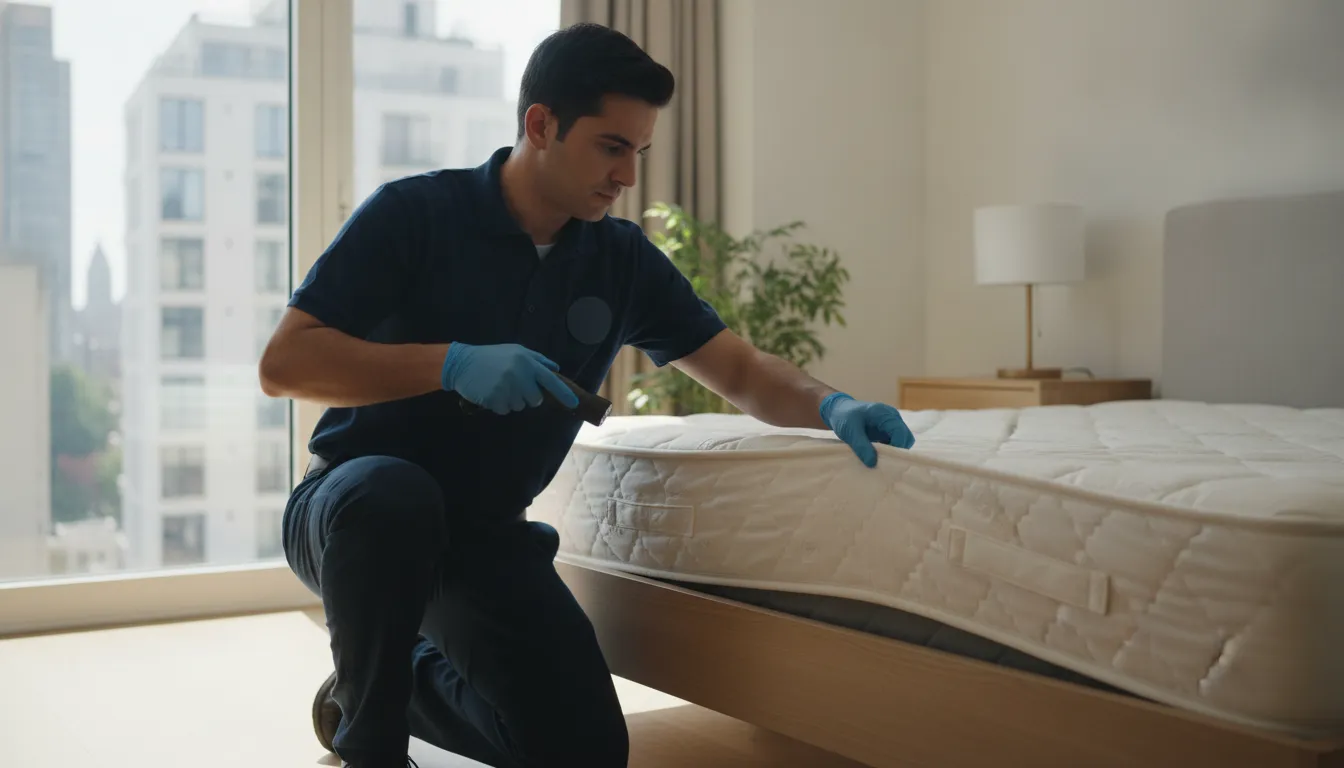
The first step in any plan is a full check of your home. Before starting any work, a professional should conduct a thorough assessment of the space. Skilled workers know how to find pests in tiny spots like wall cracks and bed joints. You should hire team members based on their documented experience to ensure they find every hiding bug.
Bed bugs are tiny and flat, so they can fit into very small cracks. They love to hide near beds, couches, and baseboards where people sleep. A thorough check can also include electrical outlets and nearby furniture. In some cases, teams use trained dogs to sniff out hidden pests.
Multi-faceted IPM treatment
Using only one spray is not enough to clear out the pests. Bed bug eggs are resistant to many methods of control, including common sprays. Also, some bugs have built up resistance to old pesticides. Because of this, the EPA recommends an Integrated Pest Management (IPM) approach that combines chemical and non-chemical tools.
An Integrated Pest Management (IPM) plan is the best way to get long-lasting results by targeting bugs at all life stages. Chemical treatments can kill active bugs on contact. Non-chemical tools, like vacuuming and steam, help clean out eggs and hiding spots. This combined approach reduces the need for heavy pesticide use in your living space.
Heat is one of the best non-chemical tools to clear out pests. You must heat infested items to at least 120 F for at least 90 minutes to kill all life stages. You can also use a special Aprehend bed bug treatment to create a barrier that lasts for up to three months. Experts compare the top options to choose the best fit for your building.
| Approach | How It Works | Key Details |
|---|---|---|
| Heat treatment | Heats rooms to at least 120 F | Kills eggs in 90 minutes |
| Aprehend residual | Fungal spores target bugs | Lasts up to 90 days |
| Chemical sprays | Uses EPA-approved pesticides | Eggs are often resistant |
| Cold treatment | Lowers temperature below 0 F | Takes at least 4 days |
Follow-up and monitoring
You cannot solve a pest issue in just one visit. A professional Manhattan bed bug exterminator will schedule a follow-up check to make sure the treatment worked. This visit often happens 10 to 14 days after the first work to catch any new bugs that hatched from eggs. If you want to learn more about this process, read our full NYC bed bug removal guide to protect your home.
Even after the main treatment is done, you should set up active monitors to catch any surviving pests. These monitors are placed near bed legs and furniture to track bug movement. Ongoing checks are vital in multi-family buildings. If one apartment has bugs, they can easily travel to other units through wall voids.
Who Pays for Bed Bug Treatment in a NYC Apartment?
Direct Answer: In New York City, landlords must legally pay the cost of bed bug treatment in rental units. Co-op and condo owners must pay based on their building’s rules.
Finding pests in your home is highly stressful, but you should not feel ashamed. Bed bug infestations are not related to cleanliness, and blaming the tenant is rarely productive. Any apartment can get these pests, no matter how clean it is. If you find bugs, you must act fast to stop them from spreading to your neighbors.
Landlord duties for rental units
Under New York City housing law, landlords must keep apartments safe and clean. This duty means the building owner must pay for treatment methods for Manhattan apartments when pests appear. You must report any pest sightings to your landlord in writing as soon as you find them. Reporting fast helps stop a small bug problem from turning into a building-wide crisis.
You should also read your lease. Manhattan apartment renters should be aware that pest control requirements might be governed by lease agreements. Still, no lease clause can erase a landlord’s legal duty to keep the home fit for people to live in. If you live in a rental, you should never pay for expert bug removal yourself.
Bylaws for co-ops and condos
If you own a co-op or condo, the payment rules are different. Manhattan residents in co-ops and condos have unique responsibilities for bed bug treatment as outlined by their building’s bylaws. In most cases, the unit owner must pay to treat their own space. But the building board may cover the cost of treating shared spaces like hallways.
No matter who pays, you must work with the board. In NYC multi-family buildings, bed bug control requires coordination between tenants and management. If you try to treat the unit yourself without telling the board, the pests can easily spread to the units next door. A shared plan is the only way to clear a multi-unit building for good.
Action steps for unresolved issues
You have clear legal options if your landlord refuses to pay or ignores your reports. You can file a formal complaint by calling 311, or you can visit their website. The city can fine owners who fail to hire a licensed Manhattan exterminator. You should keep records of all letters, emails, and texts you send to your landlord about the pest problem.
- Write a letter or email to your landlord and keep a copy for your records.
- Give the building management and pest team easy access to inspect your rooms.
- File a report with 311 if the landlord fails to schedule an inspection within a few days.
Understanding these laws can take away a lot of the stress of dealing with pests. Remember, successful apartment bed bug treatment Manhattan programs require clear and open talk between everyone in the building. Do not let fear or shame keep you from reporting the bugs. Acting fast saves time, shields your neighbors, and keeps the building safe.
How to Prepare Your Manhattan Apartment for Treatment Day
To get the best results from your apartment bed bug treatment Manhattan, you must prepare your space before your Manhattan bed bug exterminator arrives. Proper prep work is the most important part of bed bug control. When you clear your rooms, you make it easy for experts to inspect and treat every area. Before your service date, make sure to follow your exterminator’s exact prep sheet.
Decluttering your living space
First, clear clutter from your floors, closets, and shelves. Bed bugs are skilled at hiding in small cracks and crevices, making them hard to find without a deep search. Too much clutter gives pests many places to escape treatment.
Empty all items from closets, drawers, and under the bed into plastic bags. Seal these bags tight so no bugs can escape. This step helps the team do a thorough inspection of your storage spots. It also keeps your clean items safe.
Laundering bedding and fabrics
High heat kills bed bugs at all life stages. Wash your bedding and clothes in hot water. Next, put these items in the dryer on high heat for 30 minutes. The EPA IPM guide says this dryer step is what kills the bugs, as simple washing is not enough.
For other items, heat treatments are needed. Technicians must heat infested items to at least 120 degrees Fahrenheit for 90 minutes to ensure that eggs are killed. Once your clothes and sheets are dry, seal them in fresh bags. Keep them sealed until your home is fully clear of pests.
Clearing access for technicians
Next, prepare your rooms so the team can reach the walls. Pull your furniture two feet away from baseboards. This space allows experts to find bug nests in hard-to-reach places. If you have a detailed room-by-room preparation checklist, use it to track your work.
Make plans for pets and plants before the work starts. Keep them out of the rooms during treatment. Do not throw away any furniture unless your technician tells you to do so. Moving items through the halls can spread bugs to other units. Follow your team’s exact prep sheet to guide you.
How Much Does Apartment Bed Bug Treatment Cost in Manhattan?
Direct Answer: There is no single flat price for apartment bed bug treatment in Manhattan. The cost depends on the size of your home, how far the pests have spread, and the choice of treatment methods.
Factors that affect treatment pricing
Pest control firms do not use a single price for every job. The total cost of your treatment will depend on the size of your home. A small studio apartment takes less time and work than a large co-op or condo. The type of treatment you choose also changes the price. For example, some treatment methods for Manhattan apartments use heat, while others use advanced sprays. Your building style and the height of your unit can also change the final cost.
How far the bugs have spread is another big factor. A minor issue that is caught early takes less work to solve. A large group of bugs that has spread to many rooms will need more labor, more tools, and more visits. If the bugs have reached your walls, the work becomes much harder and costs more. This is why a pro must check your home before they give you a firm price.
The high cost of delayed reporting
Some people delay telling their landlord or board about bed bugs because they fear blame. But waiting always makes the problem worse and leads to a much larger bill. The cost of failing to report a bed bug issue climbs fast as the bugs spread. What starts as a small pest issue can quickly turn into a building-wide crisis. Acting fast is the best way to keep costs low and stop the pests from spreading to your neighbors.
What professional plans include
When you hire a pro, you do not just pay for a single visit. Most standard plans include a thorough check to find where the bugs hide. They also include the main treatment day and at least one follow-up visit. This second visit is vital to find and kill any new bugs that hatched from remaining eggs. A good pest company will also give you a service guarantee to make sure the pests are gone. These guarantees often last for thirty to ninety days after the work is done.
Preventing Reinfestation in a Multi-Unit Building
Stopping bed bugs from coming back to your home takes constant care. In shared buildings, a single unit cannot solve the problem alone. You must take steps to protect your space and work with those around you to keep bugs out for good.
Active defenses and physical barriers
First, buy high-quality mattress and box spring covers. These covers trap any hidden bugs inside and stop new ones from nesting in your bed. Next, put small plastic traps called interceptors under each bed post. These traps catch bed bugs as they try to climb up to sleep areas, which helps you find them early.
You should also be careful when you travel or buy used goods. Inspect all used furniture and luggage for signs of pests before you bring them inside. Wash and dry your clothes on high heat after you return from a trip. Be alert after you have guests stay over, as bugs can travel on bags or coats.
Cooperative building plans and resident action
Because bugs spread fast, active steps are vital after any apartment bed bug treatment in Manhattan. Manhattan has many crowded buildings, which makes it vital for building managers to have a strong pest plan. If you rent, you should check the building’s past bug problems before you sign a lease.
Bed bug control works best when you use an integrated pest management, or IPM, approach. This plan works best when residents help with active steps. In shared buildings, stopping pests needs close work between tenants and building staff. Renters and owners must work with management on a shared, active plan to keep units clear.
Education and long-term vigilance
Good pest programs also teach tenants about bed bug biology and how they spread. When you learn how these bugs live, you can find them before they grow into a big problem. You can read a complete NYC bed bug removal guide to learn how to keep your home safe. Staying alert and working with your neighbors is the best way to keep your apartment free of pests.
Contact us to book your Manhattan apartment bed bug treatment inspection today.
Frequently Asked Questions
What should I do if I find bed bugs in my Manhattan apartment?
You should report the problem to your landlord or building manager right away. According to the EPA, delaying this report can lead to larger and more costly infestations. Next, bag your bedding and run it through a hot dryer for 30 minutes. Do not use bug sprays or foggers on your own, as these can push the bugs into other units.
Are landlords responsible for bed bug treatment in NYC?
Yes, landlords in New York City are legally required to keep buildings free of pests. The EPA notes that building managers must work with tenants to control pests in multi-family homes. This means your landlord must pay for professional help to clear the bugs. If they refuse, you can file a complaint with the city by calling 311.
Is it possible to get rid of bed bugs in an apartment?
Yes, you can get rid of bed bugs completely, but you need a professional team. The EPA recommends using Integrated Pest Management, or IPM. This approach uses chemical and non-chemical tools to target the bugs at all life stages. You must also follow an apartment preparation checklist closely to make sure the treatment works.
How much does apartment bed bug treatment cost in Manhattan?
The cost varies based on the size of your space and how far the bugs have spread. According to the EPA, delaying treatment makes the problem much more expensive to fix. Most professional plans include a primary visit and a follow-up check two weeks later. You can contact us today for a free price estimate.
Schedule Your Manhattan Bed Bug Inspection Today
Bed bugs spread fast between New York apartments, and waiting to treat them only makes the pest problem worse and more costly. If you take action today and set up an inspection, you can stop these pests before they move to neighbor units.
Our expert team uses proven, EPA-approved methods to clear the infestation and restore peace of mind to your home. Do not let bed bugs take over your building when you can book your visit now.
One Response