
A single mated female bed bug hiding in a suitcase can spark a severe home infestation. These pests multiply in a stealthy, clear pattern that catches most homeowners by surprise. If you suspect an issue, Schedule your professional inspection today.
A standard bed bug infestation timeline moves from a single hitchhiking insect to a severe, multi-generational household pest problem in just a few short months. According to the Environmental Protection Agency (EPA), these common pests progress through distinct egg, nymph, and adult life stages. A single mated female lays one to five tiny eggs daily, which hatch in about a week and can reach adulthood in twenty-one days. Because each new generation mates and lays eggs, a small, unnoticed population of these pests will grow extremely fast inside your home. Without early professional treatment, a few hidden bugs will grow into a widespread, highly active infestation within six to nine weeks.
Understanding this rapid growth can help you find and treat these pests before they take over. In our comprehensive bed bug guide, we break down each phase. This shows how a minor issue turns into a major problem. To find out exactly how this happens, we must ask: What Does the Bed Bug Infestation Timeline Actually Look Like? The path begins with
What Does the Bed Bug Infestation Timeline Actually Look Like?
A typical bed bug infestation timeline starts with a single, pregnant female. Under normal indoor temperatures, her eggs hatch in six to ten days, and nymphs reach adulthood in about five weeks. By week nine, many generations exist, turning a stealthy start into a pest problem that is easy to spot.
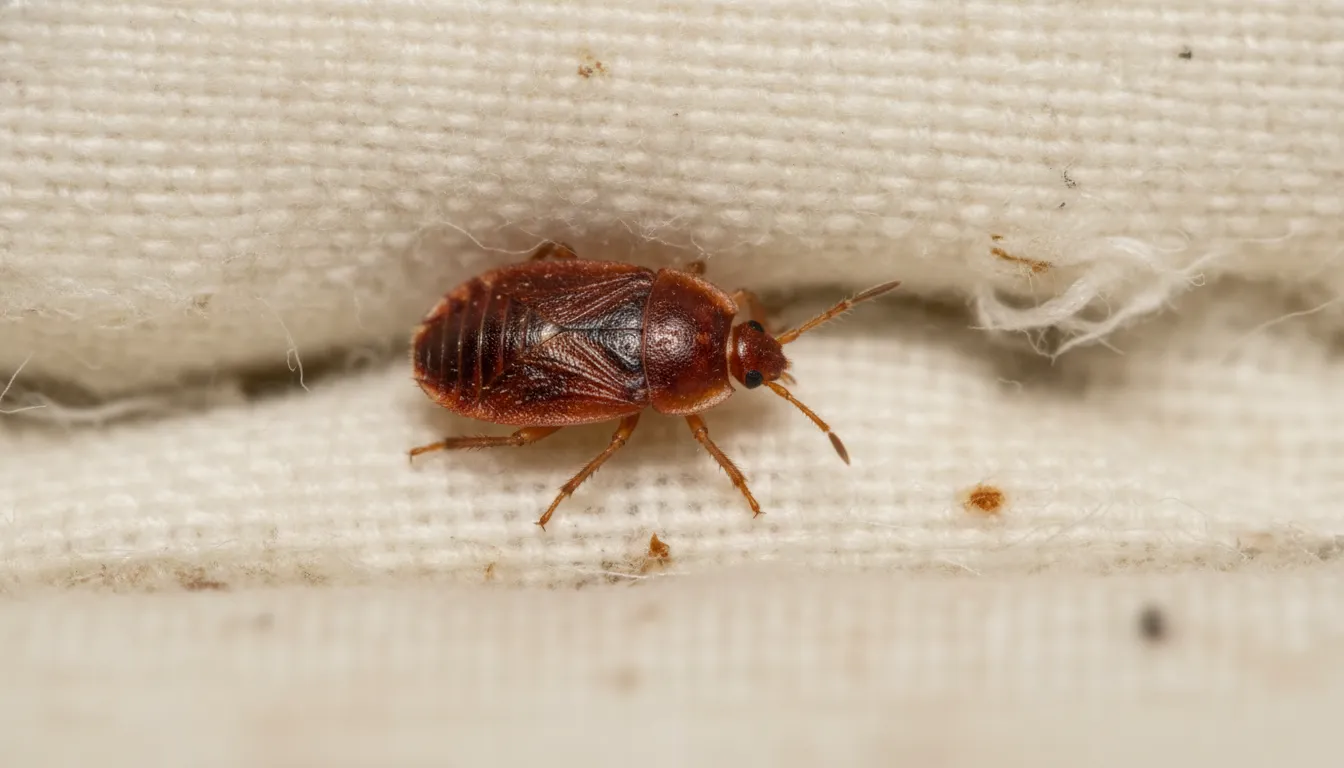
Early stealth phase (days 1 to 14)
The early phase starts when a single pest enters your home. These insects are great hitchhikers and can travel on bags, clothes, or used beds. If you live in a shared building, you may wonder how bed bugs spread in apartments. They often crawl through tiny wall gaps or pipes from other units.
During these first two weeks, the pest is very hard to find. A single mated female can start a whole group on her own. She will hide in deep cracks near your bed and feed only at night. The Centers for Disease Control and Prevention (CDC) notes that bites are hard to feel. This is because the insect injects a mild numbing fluid that stops you from feeling the bite.
Establishment and hatching phase (weeks 2 to 4)
In the second and third weeks, the eggs start to hatch. A female lays one to five eggs each day in mattress seams or wood cracks. These tiny eggs are about 1 mm long and stick to wood or cloth. According to the Environmental Protection Agency (EPA), bed bugs have three distinct life stages. These are the egg, nymph, and adult stages.
As the eggs hatch, the young nymphs must find food. Each nymph must feed on blood within a few days of hatching to survive. After about five days in the egg, a tiny eye spot is clear to see. This spot shows that the egg is ready to hatch into a hungry nymph.
Exponential growth phase (weeks 4 to 9 and beyond)
By week five, the first group of nymphs becomes mature adults. It takes about five weeks for a nymph to molt five times and reach adulthood. At a typical room temperature of 72 degrees, this complete cycle takes about 37 days. Once they reach full size, these new adults can start to mate and lay their own eggs.
This is when rapid growth begins. In warm homes, a pest population can double in size in just 16 days. Research from the University of Minnesota confirms this fast growth.
By weeks six to nine, the infestation is easy to see. You will start to see active bugs, dark fecal spots, and shed skins. If you wait nine or more weeks, you will face a moderate to heavy infestation with many generations living together. At Ace Bedbug Exterminating, we know that getting a professional bed bug inspection is the best way to stop this fast cycle.
| Timeline Phase | Timeframe | Key Activity | What to Look For |
|---|---|---|---|
| Early stealth | Days 1 to 14 | Single hitchhiker arrives, feeds every few days | Nearly invisible |
| Establishment | Weeks 2 to 4 | Eggs laid and hatch; nymphs begin feeding | Tiny eggs in mattress seams |
| Exponential growth | Weeks 4 to 9 | Nymphs mature, mate, and produce new eggs | Fecal spots, shed skins |
| Full infestation | Week 9 and beyond | Multiple generations co-existing | Live bugs, musty odor, bites |
How Do Bed Bugs Spread and Multiply So Quickly?
Bed bugs multiply quickly because a single female lays one to five eggs daily. Nymphs reach adulthood in five weeks, and populations double every 16 days under warm conditions.
Bed bugs multiply rapidly because of their unique lifecycle and high egg output. A single female can lay hundreds of eggs, which hatch in about a week. Under warm conditions, nymphs reach adulthood in less than a month, causing a quick spike in their numbers.
How quickly females lay eggs
The speed of a pest problem starts with the female. A single mated female can lay between one and five eggs each day, producing up to 500 eggs within her lifetime. To keep up this high rate, the female needs regular blood meals. This constant egg-laying drives the start of the bed bug infestation timeline, establishing a firm grip on your home.
These tiny, white eggs are about one millimeter long. They are very small, similar to the size of two grains of salt. The female glues them into hidden cracks near where people sleep. According to data from Orkin, the eggs hatch in just six to ten days. Once they hatch, the young bugs must feed on blood right away to survive.
Five growth stages of nymphs
After hatching, a bed bug is called a nymph. Nymphs look like smaller, lighter versions of adults. To grow, each nymph must pass through five distinct growth stages. The EPA notes that a nymph must molt five times before reaching maturity. They must take at least one blood meal to shed their skin and progress to the next stage.
The speed of this growth depends on the heat of the room. At room temperature, it takes about five weeks for a nymph to reach maturity. But in warm settings, they grow much faster. Research from the VDACS shows that the total development process can take just 37 days at temperatures above 72 degrees Fahrenheit. Under very hot conditions, it can happen in as little as 21 days.
How populations double and spread
Once young adults mature, they mate to start the cycle again. A female bed bug does not need to mate multiple times to keep laying fertile eggs for months. This survival trait makes their numbers explode. In fact, research from the University of Minnesota shows that bed bug populations can double in size in as little as 16 days.
Compared to other household pests, bed bugs spread in a very different way. They do not fly or jump like fleas. Instead, they are master hitchhikers that hide in bags and clothes. While some people believe bed bug movement myths debunked by experts, these insects crawl quickly to find new hosts.
Our entomology-trained experts at Ace Bedbug Exterminating know how fast these pests travel. They can crawl through tiny wall gaps and plumbing lines to reach new rooms. To protect your home, you can read our comprehensive bed bug guide to spot early warning signs.
The Early Signs of a Bed Bug Infestation
The early signs of bed bugs include small blood spots on sheets and dark fecal stains in mattress seams. You may also find tiny white eggs, shed skins, and a sweet musty odor. Bites may appear in clusters or lines on the skin.
Finding early signs of bed bugs helps you stop an infestation before it grows. The first signs include small blood spots on bedding, dark fecal spots, and tiny shed skins. You may also find tiny eggs in mattress seams or notice a sweet, musty odor.
Finding bed bugs early is hard because they hide in tiny cracks. According to the CDC, these pests are excellent at hiding and are active mostly at night. They stay near their food source, hiding in bed frames and wood gaps during the day. Because they stay out of sight, you must look for the subtle marks they leave behind.
Fecal stains and blood spots
One of the first signs of a pest problem is the presence of small blood spots on your bed sheets. These red or rust-colored spots happen when bed bugs feed or get crushed. As the bugs move, they also leave behind tiny, dark fecal spots that look like ink dots. These dark stains are digested blood and are often found along the edges of your mattress.
If you do not find these marks early, the problem will grow. It is vital to spot these stains before they spread to your walls and carpet. You can learn more about how these spots grow worse in our guide on the signs of severe infestation. Finding these stains on your mattress seams is a clear sign that you need to take action.
Finding eggs in mattress seams
Also, you may find bed bug eggs in the deep seams of your mattress. The EPA states that bed bugs have three life stages, starting with the egg. These eggs are about 1 mm long and look like tiny white grains of salt. After about five days, a tiny eye spot may become visible on the egg, showing it is close to hatching.
Finding these tiny eggs can be hard without the right tools. Many people use bed bug interceptors to catch the pests as they move. These cups sit under bed posts and trap bugs before they can climb up. Catching nymphs or finding empty egg shells is proof that the pests are breeding in your home.
Bite patterns and sweet odors
Bed bug bites are another common sign, though they are hard to spot on their own. These bites often appear in small clusters or straight lines on your skin. They can look like red, itchy bumps, but some people do not react to them at all. Because of this, you should not rely on bites alone to find a pest problem.
As the pests multiply, a sweet, musty odor may fill the room. This smell comes from their scent glands and is a sign of a larger group of pests. If you notice any of these signs, Ace Bedbug Exterminating can help. Our science-based approach can find and clear these pests before they spread further through your home.
What Happens When an Infestation Goes Untreated?
An untreated bed bug infestation grows from a single pest into a multi-generational crisis within weeks. Populations double every 16 days, spreading from beds into walls and nearby rooms, making treatment increasingly difficult and expensive.
An untreated bed bug infestation progresses rapidly, growing from a single pest into a multi-generational crisis within twelve weeks. As populations grow, bed bugs expand from beds into walls and nearby rooms, making them incredibly difficult to clear. Early action is vital to stop this growth and protect your home.
Rapid population growth
A single female bed bug can start a massive problem. In warm conditions, a bed bug can live for a 10-month adult lifespan. During this time, they breed and lay eggs daily. According to federal experts, these pests develop from eggs to adults in three distinct stages.
In warm rooms, a small group can double in size in just 16 days. Without quick action, you will soon face a heavy infestation. This rapid growth is clear when you study a typical bed bug infestation timeline. By week 12, the population is multi-generational. This means parents, nymphs, and new eggs all live and feed in the same space.
Spread to nearby rooms and units
At first, bed bugs stay near the bed. They hide in mattress seams and box springs. But as the population grows, they need new places to hide. They will crawl into wall voids, baseboards, and behind pictures. According to the Centers for Disease Control and Prevention, these pests can easily spread to other rooms through wall gaps and plumbing lines.
They often travel through these common pathways:
- Plumbing lines and pipe chases
- Electrical conduits and outlets
- Structural gaps under doors and baseboards
- Shared walls in multi-family buildings
In apartment buildings, an untreated unit puts every neighbor at risk. Once they get into the walls, they can infest an entire building in a few months. For Brooklyn residents, Park Slope bed bug extermination services can stop an infestation before it spreads to neighboring units.
Increased difficulty of professional treatment
An advanced infestation is much harder to clear. When bugs are only in one bed, treatment is simple. But when they are in walls and outlets, the job becomes complex. Finding every hiding spot takes more time and effort. Our team at Ace Bedbug Exterminating uses a science-based approach to locate these pests.
We know how the stages of bed bug infestation progress. Our exterminators can find bed bugs at any stage of their cycle. But treating a home that has been infested for months needs multiple visits. It may also need extra prep work from the homeowner. Waiting too long makes the process longer and more expensive.
At Ace Bedbug Exterminating, our science-based extermination team is ready to stop the infestation cycle in your home. Schedule your inspection today and take back your peace of mind.
How Professional Treatment Breaks the Infestation Cycle
Professional bed bug treatment stops the infestation cycle by targeting all life stages at once with integrated pest management methods. Including heat treatment that kills both adults and eggs in a single day.
A professional bed bug treatment stops the bed bug infestation timeline by targeting all life stages at once. While DIY methods often fail to reach hidden eggs and nymphs, professional solutions disrupt the breeding cycle. This science-based approach ensures complete eradication and stops pests from returning.
The failure of do-it-yourself treatments
Many homeowners try to solve pest issues on their own. But retail sprays and home foggers rarely stop the bed bug infestation timeline. These products only kill the bugs you can see. They do not reach deep into wall gaps, baseboards, or mattress seams where the pests hide.
More importantly, home chemical sprays cannot penetrate egg shells. A few surviving eggs will hatch in six to ten days, starting the cycle all over again. To stop this growth, you need professional bed bug removal services. The team at Ace Bedbug Exterminating finds these hidden nests to stop the pests before they spread.
Science-based integrated pest management
Disrupting pest growth requires a deep knowledge of their life cycle. Ace Bedbug Exterminating uses Integrated Pest Management to target the pests at every stage, from eggs to adults. This science-backed approach does not rely on simple chemical sprays. It has made us a trusted partner for local families since 1966.
A strong treatment plan begins with a thorough check of your home to find hiding spots. We then use safe biopesticides that stop nymphs from shedding their skins. This prevents young bugs from growing into breeding adults, which breaks the breeding cycle. Our science-based approach ensures that we treat the exact areas where bugs hide. This targeted method keeps your family safe while completely destroying the pest population. You can schedule your inspection with us today to start the process.
Thermal treatment for complete elimination
For fast and complete results, thermal treatment is often the best choice. This method uses special heaters to raise the heat in your rooms. According to the EPA, a lethal thermal death point for bed bugs is any temperature over 113 degrees Fahrenheit. Our trained crews raise the heat much higher to ensure that no bugs survive. We monitor these temperatures in real time to make sure the heat reaches every corner.
The main benefit of heat treatment for bed bugs is that it kills all life stages at once. High heat flows into walls, mattress cores, and deep cracks where sprays cannot reach. This process kills both the active crawling bugs and their unhatched eggs. This means you do not have to throw away your expensive furniture or mattresses. At Ace Bedbug Exterminating, we use these advanced tools to clear your home in a single day.
Frequently Asked Questions
How long does a bed bug life cycle take?
Under normal indoor temperatures, a bed bug goes from an egg to an adult in about 37 days. This timeline changes based on the heat in your room. In warm conditions with a steady food source, the cycle takes as little as 21 days as noted by Orkin. In cold rooms, this growth can take over four months.
How fast do bed bug infestations spread?
A bed bug population can grow very quickly in warm weather. Studies from the University of Minnesota show that their population can double every 16 days in ideal conditions. This fast growth occurs because a single female lays up to five eggs each day. If you do not stop them, these pests will soon spread to other rooms through small wall gaps.
Can a bed bug infestation go unnoticed for months?
Yes, it is very common for these pests to hide without you knowing for weeks or months. They are active mostly at night and hide in tiny cracks near your bed during the day. Also, many people do not react to the bites at all. According to the CDC, they inject a mild numbing agent that stops you from feeling the bite while you sleep.
What are the first signs of a bed bug infestation?
The earliest signs are often tiny dark spots of waste or small blood stains on your bed sheets. You might also find shed skins or small, white eggs in the seams of your mattress. If you spot these warning signs, the team at Ace Bedbug Exterminating can help with a professional check. Finding them early makes it much easier to clear the pests from your home.
Ready to Stop the Bed Bug Infestation Timeline?
A small bed bug infestation grows larger each day, and ignoring the early signs of these biting pests makes them much harder to treat. If you wait to act, a few hitchhiking pests will soon turn into thousands of bugs that spread to every room in your home. Ace Bedbug Exterminating uses safe, science-based methods to stop their rapid growth, break their lifecycle, and protect your family in New York City.
Ready to stop these pests from taking over your house? Our friendly, local team is ready to help you get back your peace of mind today. We make the entire process simple and stress-free. Call (347) 378-7070 to schedule a professional bed bug inspection.
One Response