
Small plastic cups placed under furniture legs offer a practical way to track bed bug activity. Bed bug interceptors trap crawling insects in a slippery well, helping you spot warning signs and document movement without confusing monitoring with treatment.
Schedule a professional bed bug inspection in NYC to confirm what your interceptor findings mean.
Bed bug interceptors are passive monitoring devices that trap pests as they try to climb up or down furniture legs. These small, double-walled plastic cups sit under the feet of your bed or sofa to create a physical barrier. The outer well is textured to let bugs climb in, while the inner well is smooth to prevent them from escaping. According to Ace Bed Bug Exterminating, these tools help you find active infestations and check if treatments are working. They do not kill bugs, but they show you where the pests are moving. By catching bugs in the well, you can count how many are present. This data allows you to make smart choices about your next steps for pest control.
If you find insects in your traps, you need to know how they got there and what the finding means for your home. The first step is understanding how these monitoring devices work. Ace provides professional bed bug removal services across Manhattan, Brooklyn, Queens, the Bronx, and Staten Island. For renters who need local help, local bed bug help is available on the Upper West Side.
What are bed bug interceptors and how do they work?
Bed bug interceptors are tools used to find and track pests. They look like small plastic cups with two walls. You place them under the legs of your bed or couch. These passive monitoring devices do not kill bugs. Instead, they catch them as they try to move between the floor and your bed. This helps you how to detect early bed bug signs without using harsh chemicals.
The pitfall design
Most interceptors use a pitfall design to trap pests. The device has an outer well and an inner well. The outer wall is rough so bed bugs can climb up it with ease. The inner walls are very smooth. Once a bug falls into the well, it cannot climb back out. This simple trap works at all times. It gives you a way to monitor for bed bugs even while you sleep. Passive monitoring works around the clock without the need for power or bait.
How they catch bugs
Bed bugs want to reach a host to feed. They often hide in the floor or walls and crawl toward the bed at night. When they reach a bed leg, they climb the outer wall of the trap and fall into the well. Some bugs may also try to leave the bed. They fall into the inner well as they climb down the furniture leg. Per the Centers for Disease Control and Prevention, these flat insects are experts at hiding in small spaces. The traps catch them when they are on the move.
Tracking treatment success
Interceptors are a key part of bed bug interceptors as part of a treatment plan. They show if pests are still active. If you find new bugs in the traps after a service, you know you need more help. This helps using interceptors to confirm activity and check if the pest count is going down. Experts suggest checking for at least one year after your last treatment to make sure all the pests are gone.
How to place bed bug interceptor cups correctly
Using bed bug interceptors is a smart way to track a pest problem in your home. These small plastic cups act as passive monitoring tools. They do not kill bugs on their own, but they show you where the pests are moving. For the best results, you must use bed bug interceptors as part of a treatment plan. They are a key tool for finding bugs before they spread into other rooms.
Finding the best spots
You should put the cups under the legs of your bed and other furniture where people sleep. These spots are where bed bugs travel to find a meal. When bugs try to climb up the legs, they fall into the outer ring of the trap. The smooth walls of the cup keep them from crawling back out. This lets you monitor for bed bugs all day and night without using any chemicals. Focus on every leg that touches the floor to create a full block around your bed.
- Clear the area around the furniture. Move your bed or sofa at least six inches away from the wall. This stops bugs from using the wall to bypass the traps. If any part of the frame touches the wall, the trap will not work.
- Lift the furniture legs safely. Have someone help you lift one corner of the bed frame at a time. This keeps you safe and prevents the frame from breaking. Never try to lift a heavy bed on your own.
- Set the cups in place. Slide a cup under each leg and lower the furniture slowly. Make sure the leg sits flat in the center of the trap. The cup should not tilt to one side.
- Isolate your bedding. Pull all sheets and quilts off the floor. If they touch the ground, bugs will use them like a bridge to reach the bed. Tuck your blankets in tight to keep them high off the rug.
- Check the traps often. Look inside the cups at least once a week. Use a bright light to find small bugs or dark spots. These signs show that bugs are active and trying to reach you.
How many cups you need
To fully track a typical two-bedroom home, you should use at least 12 interceptors. This covers four legs on two beds plus extra cups for a sofa or chair. A minimum of 12 interceptors is best to catch all the bugs in a flat. Using more cups gives you a better view of the whole space and its pest levels. In New York City, these tools can also help you track issues for Local Law 69 rules.
Trap care and follow-up
Once you set the traps, you must keep them clean to make sure they work well. Dust and dirt can fill the rings and help bugs climb out of the cup. You should clean the traps about once a month. Use a damp cloth to wipe out the dust and look for any cracks in the plastic. If a cup breaks, replace it right away to keep the block strong.
Interceptors also tell you if a pest job worked well. If you still find bugs in the cups after a pro visits, you may need more treatment. You should keep checking for at least a year after a treatment to be sure. This ensures that no eggs have hatched later or that no new bugs have moved in. Catching a few bugs early is always better than finding a big nest in your walls.
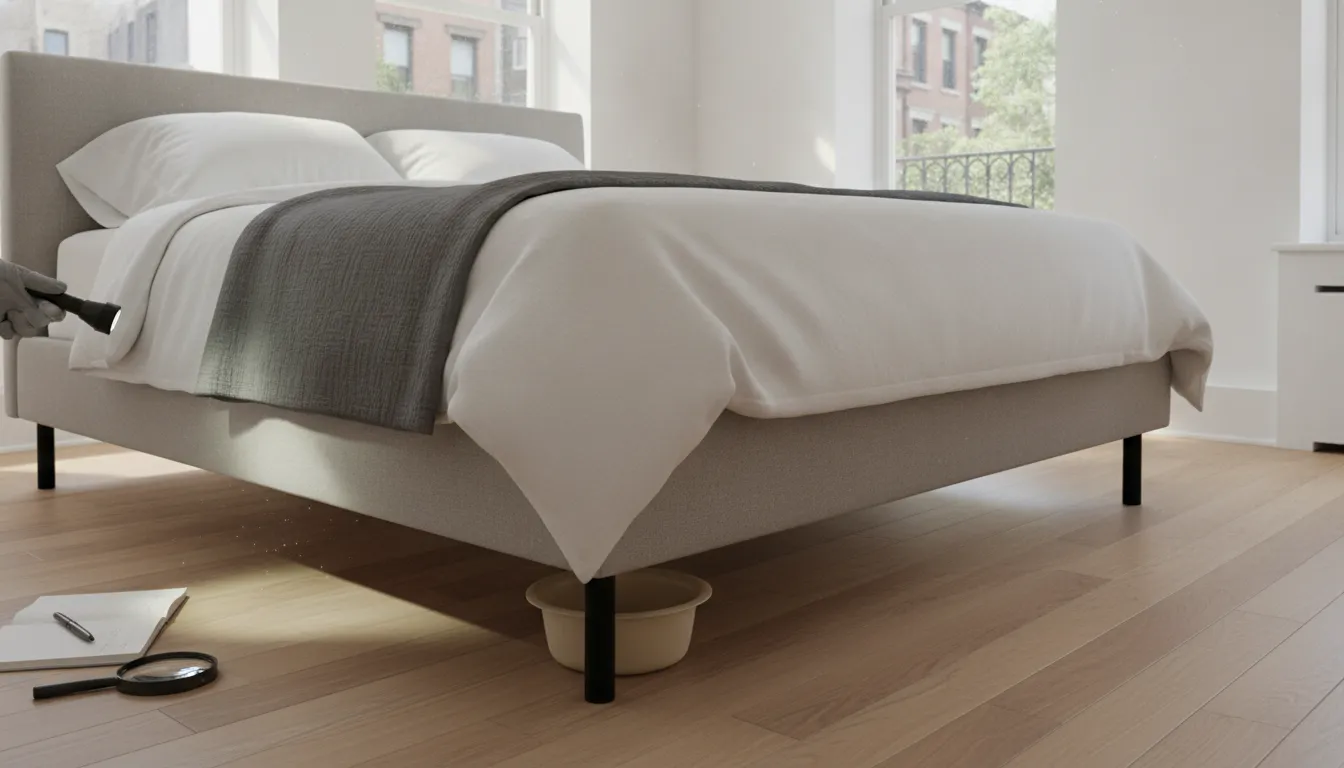
What do bed bug interceptor results mean?
Checking your traps often is a key part of a pest plan. These cups work all day and night without the use of harsh sprays or chemicals. When you find a bug in a trap, its spot tells a story about how it moves. You should look at each well to see if bugs are coming from the bed or from the floor.
Inner well versus outer well
A bed bug in the inner well usually means the bugs were already on your bed or sofa. They tried to crawl down to the floor but fell into the trap. If you see bugs in the outer well, they were likely on the floor and tried to climb up to find a host. This helps you find where the pests hide and how they travel in your home.
If you find many bugs in the outer wells, they may be coming from other rooms or units. This is why monitoring for bed bugs across your home is so helpful. You can use these cups to track if a current plan is working well or if new bugs are moving in.
Keep clear records of what you find
It is vital to write down your results each time you check. Note the date, the room, and the exact count of bugs in each cup. Taking clear photos can also help a pro find the pest. Since bed bugs are small and flat, they can hide in tiny cracks that are hard to see.
You should clean your traps about once a month to remove dust and hair. This keeps the walls slick so the bugs cannot climb out. If you do not find any bugs, it does not always mean your home is clear. These pests can live for several months without a blood meal, so they might just be hiding in a spot where the traps cannot catch them.
When to call a pro
Finding even one bug in a trap is a sign that you need a full check of your space. While traps help you see the problem, they are not a way to kill the whole group. Professional help is needed to find and stop the pests at their source. A team can look at your list of results to plan the best way to clear your NYC home.
Bed bug monitoring versus inspection and treatment
Bed bug monitoring and treatment serve two goals in your home. Monitoring helps you find bugs early or check if they are still there after a service. It is a slow, ongoing task that keeps you aware of pest signs. On the other hand, treatment is a full plan to clear the pests from your living space. While bed bug interceptors are helpful tools for finding bugs, they do not kill them on their own. You must use traps as a first step or a final check rather than a way to fix the problem.
The role of bed bug interceptors
Passive devices like bed bug interceptors work all day and night without using any harsh sprays. They act as small cups that trap bugs when they try to climb up or down furniture legs. These traps are a key part of Integrated Pest Management (IPM). This method uses non-chemical tools to monitor for bed bugs before and after you get help from a pro.
Interceptors are useful for renters in apartment buildings. In New York City, local laws say that both owners and renters have roles in keeping a home pest-free. Using these traps helps you follow these rules by giving you proof of bug signs. You can show these caught bugs to a pro to prove you need help fast. It is a cheap way to get peace of mind and keep a close eye on your bedroom.
Professional inspection and treatment
A pro check-up is much deeper than just setting out traps. A pro looks for eggs and tiny bugs in hidden spots like wall cracks or baseboards. If they find an active group, they start a full treatment plan to clear the pests. Clearing an infestation is a big job that can take weeks or months to finish. The EPA says that treatment is complex and depends on how many bugs you have in the home.
Pros have tools and training that homeowners do not have. They can use heat, steam, or special sprays to reach bugs that hide deep in your bed or walls. They also know how to stop bugs from moving to other rooms during the work. This expert care ensures that the bugs do not just hide and come back later. A pro plan is the only way to be sure your home is safe and bug-free.
Choosing the right plan
You should use both tools to keep your home safe from pests. Use traps to catch signs of bugs early on. If you find even one bug in a trap, call an expert for a full check right away. Do not wait for the problem to grow, as bed bugs can live for many months without a blood meal. Acting fast can save you money and stress in the long run.
Once your home is clear, you should keep traps out to stay safe. Even the best service can miss a single egg, or a new bug could hitch a ride into your home on a bag. Health groups note that bugs spread easily on clothes and luggage. Keeping traps out for at least a year is a smart way to use bed bug interceptors as part of a treatment plan.
| Criteria | Monitoring | Inspection and Treatment |
|---|---|---|
| Main Goal | Find bugs early | Clear the infestation |
| Confirmation | Shows active bugs | Proves pests are gone |
| When to use | Ongoing every day | Specific expert visits |
| Skill Level | Easy for anyone | Professional training |
| Big Limit | Does not kill bugs | Can take many weeks |
Why an empty interceptor does not rule out bed bugs
Bed bug interceptors are helpful tools for finding pests, but they are not perfect. You might check your traps and find nothing inside. While this can feel like a win, it does not always mean your home is clear. These devices are passive monitors. This means they wait for a bug to fall in. If the bugs do not move or if they find another path, the trap will stay empty even if you have a pest problem. You should still know how to check for bed bugs NYC people often miss.
Common placement and setup errors
A common cause for a false result is wrong placement. To work well, you must put the cups under every leg of your bed or couch. If you miss just one leg, the bugs can use that path to reach you without ever touching the trap. Also, these devices only work on furniture with legs. If your bed frame sits flat on the floor, the pests have many ways to climb up. In these cases, bed bug interceptors cannot do their job because there is no single point to guard.
You also need to make sure your bed is an “island.” This means it should not touch the wall or other items. If your headboard touches the wall, a bed bug can crawl from the wall straight onto your bed. They can also use low-hanging bed sheets or power cords as bridges. When these bridges exist, the bugs will never cross the interceptor. For a full check in a two-bedroom home, experts suggest using at least 12 interceptors to cover all likely seating and sleeping spots.
Pests already inside the furniture
Interceptors catch bugs as they move between the floor and your bed. But what if the bugs are already living in your mattress or box spring? Bed bugs are small and flat, which lets them hide in tiny cracks. According to the Centers for Disease Control and Prevention, their slim bodies allow them to fit into very small spaces. If they are already living in your bed, they do not need to crawl down to the floor to find a meal. They will stay near the seams of your mattress and bite you while you sleep.
In this case, an empty trap gives you a false sense of safety. You might think you are bug-free while the pests grow right under you. These traps are just one part of a plan. They work best with mattress covers and visual checks. If you only rely on the cups, you might miss a big problem until it becomes much harder to stop.
Home and human factors
Dust and dirt can also make bed bug interceptors fail. The outer walls of the cups are rough so bugs can climb in, but the inner walls are smooth. This smooth surface keeps them from climbing back out. If dust builds up on the smooth part, it gives the bugs the grip they need to escape. You must clean these traps about once a month to keep them working well. If you have pets or kids, they might move the cups or kick dirt into them. This helps the bugs get out.
Finally, low-level signs are hard to catch. If you only have one or two bugs, the odds of them falling into a trap are low. Bed bugs can survive for several months without a blood meal, so they may stay hidden for a long time. They do not always move every night. If your traps are empty for a week, it does not prove the bugs are gone. It just means none fell in during that short time. If you still have bites or see signs, you should get a monitor for bed bugs from an expert team.
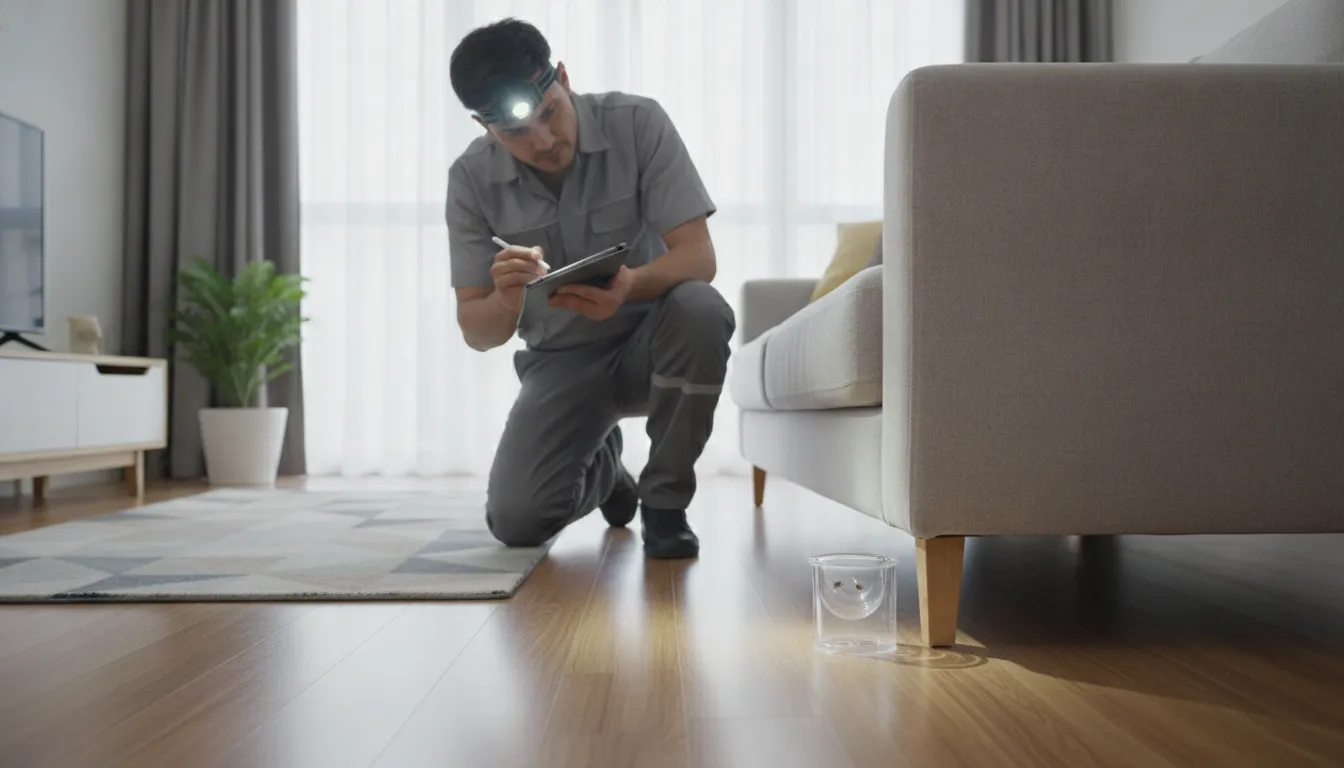
How to document and respond to interceptor findings
Using bed bug interceptors is a calm way to watch for pests. You do not need to check them every hour. A steady check once or twice a week is often enough. This helps you monitor for bed bugs without feeling too much stress. It is best to think of these tools as a way to gather data, not a way to kill every bug.
Keep a simple tracking log
When you find a bug in a cup, write it down. A simple log helps you see patterns over time. You should track the date, the room, and which furniture leg had the bug. Also, note the count of bugs found in each cup. Taking clear photos of any find is very helpful for later review. These photos can help a pro find the pest from a distance.
Your log should also track when you clean the traps. Dust and hair can build up in the cups over time. This debris can make it easier for bugs to climb out. It is a good idea to clean out dust at least once a month to keep the traps working well. Use a soft brush or a dry cloth to wipe them clean. After cleaning, you may need to add a small bit of talc to the cup walls.
When to call a specialist
Seeing bugs in your traps does not mean you should panic. But it does mean you may need expert help. If you find more than one bug in a week, it is time to talk to a pro. You can show them your log and photos to help them plan. Experts use these tools to see if a plan is working or if new bugs have arrived.
Keep in mind that these tools are for watching, not for fixing the problem. They do not kill the whole group. If counts go up, you likely need a full plan. Treating these pests is a big job that can take weeks or months to finish.
Long term monitoring habits
Do not stop checking as soon as you think the bugs are gone. It is wise to keep your traps in place for a long time. Some experts say you should keep checking for one year after your last find. This makes sure that every egg has hatched and no new pests have moved in. Long term monitoring gives you peace of mind and keeps your home safe.
Staying calm is key during this time. Bed bugs are hard to find, but interceptors make the task easier. By following a plan, you can take control of your space again. You do not have to fight these pests alone when you have good data to share.
For people in New York City, keeping good notes is also a legal help. NYC Local Laws 69 and 55 have rules for how owners must handle pests. If you are a renter, your log proves you are doing your part to watch for bugs. This paper trail can be key if you need to ask your landlord for help with a big infestation.
Frequently Asked Questions
How long should I keep using bed bug interceptors?
You should use these traps for a long time to be safe. Even if you do not see any bugs, some may still be in your home. It is best to keep the traps in place for at least one year after your last treatment. According to the EPA, you must keep checking to ensure all the pests are gone. This helps you find any bugs that might have survived the first round of cleaning.
Can bed bugs crawl out of a bed bug interceptor?
These traps have smooth inner walls that pests cannot climb. However, the bugs can escape if the walls get dirty. Dust and hair can act like a ladder for the insects. You should clean the traps and wipe the walls at least once a month. Per research from Texas A and M University, keeping the traps free of debris is vital. If the walls stay clean, the bed bugs will remain trapped inside the well.
Do bed bug interceptors really work?
These traps work well for finding bugs but do not kill them all. They are tools used to see if you have a pest problem. While they catch some bugs, they are not enough to clear your home alone. You still need a plan from a bed bug elimination specialist to fix the issue. Interceptors help you check if your treatment is working. They are a great first step for monitoring your bedroom.
Where should I put bed bug interceptors?
You should put these traps under every leg of your bed. This makes a barrier between the floor and your mattress. If your bed does not have legs, the traps will not work well. You can also place them under the legs of sofas and chairs where you spend a lot of time. According to the Ace Bed Bug Exterminating team, focusing on furniture legs is the best way to catch bugs on the move.
Ready to schedule a professional bed bug inspection in NYC?
You do not have to live with the stress of bed bugs any longer. Waiting to act often leads to a much larger and more costly problem for your family. These pests spread fast and can move to every room if you do not stop them soon. By taking action now, you can find the source and stop the outbreak before it grows. Our team knows how to find hidden bugs that most passive tools will often miss. You can get clear answers and a solid plan to stay safe right now.
Ready to schedule a professional bed bug inspection? Schedule a professional bed bug inspection to talk to a bed bug expert about your home today.