
A few dark dots on a sheet can change how you sleep tonight.
Need a professional second look? Contact Ace Bed Bug Exterminating for an NYC bed bug inspection before the problem spreads.
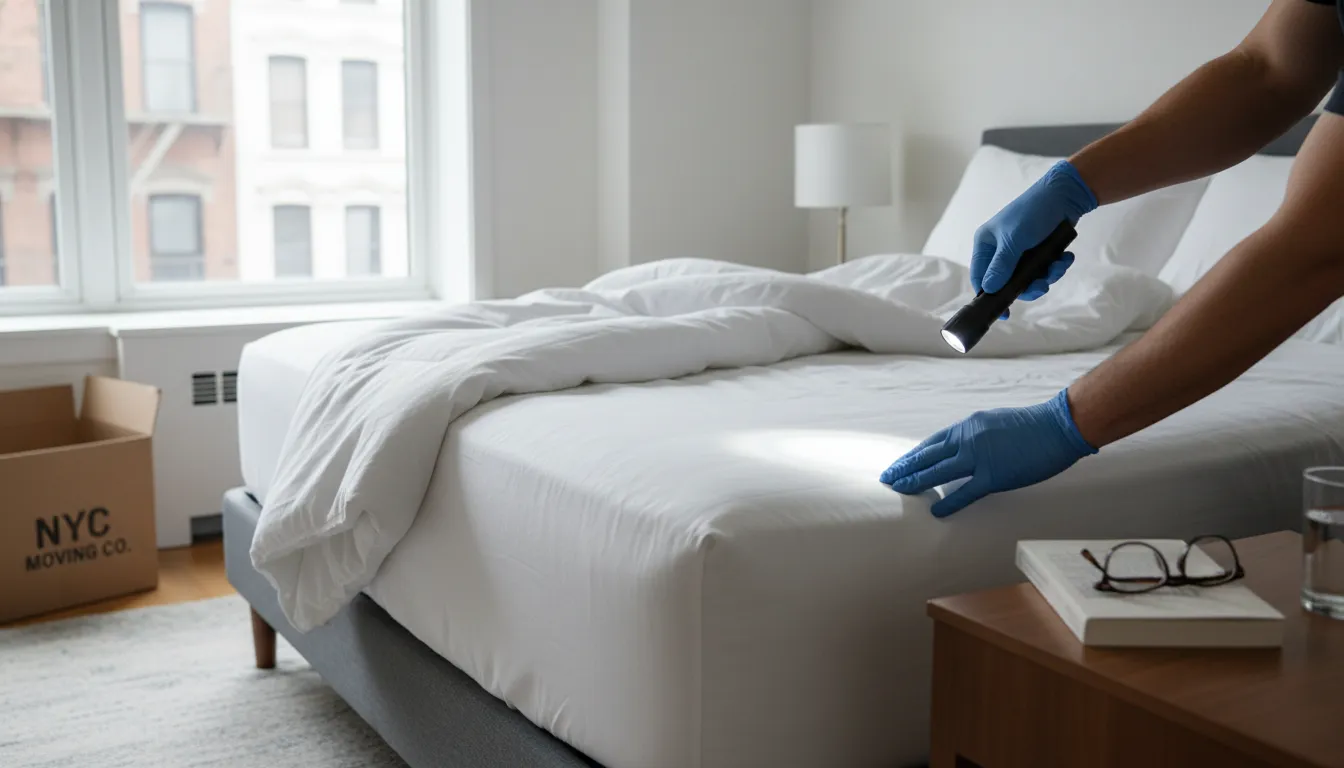
How to check for bed bugs starts with a slow inspection of the bed and the area within a few feet of it. Use a flashlight and a stiff card to look along mattress seams, box spring edges, and bed frame joints. Then check headboards, baseboards, couch seams, and nearby furniture. Look for live bugs, shed skins, tiny pale eggs, dark ink-like fecal spots, and rusty stains on sheets or mattresses. The EPA notes that bites alone are a poor sign because they can look like other insect bites, rashes, or hives. Some people do not react at all, so physical evidence matters more than skin marks.
A quick look is not enough in a NYC apartment, where bed bugs can move through shared walls, pipes, furniture, and hallways. The goal is to find evidence without spreading the problem. Start with the most likely hiding places, then decide whether Ace Bed Bug Exterminating should confirm what you found. Here’s how.
How to check for bed bugs in a NYC apartment
Quick answer: Start at the bed with a flashlight. Inspect seams and frame joints. Look for live bugs, eggs, shed skins, rusty stains, and dark fecal dots. Then check nearby furniture and baseboards. Stop moving belongings if you find evidence.
Why NYC apartments need careful inspection
According to the US Environmental Protection Agency (EPA), finding bed bugs early matters. A minor infestation is much easier and cheaper to treat before it spreads. Learning about identifying early signs of bed bugs can save you months of stress.
Many people start checking because they wake up with itchy welts. But bites alone are a poor indicator of an infestation. The Centers for Disease Control and Prevention (CDC) notes that bed bugs do not spread disease to humans. Even so, their bites can cause skin irritation, anxiety, and insomnia.
These insects are hardy pests. A single female can lay hundreds of tiny eggs during her life. In normal room temperatures, the transition from egg to adult takes five to ten weeks. Because adult bed bugs can survive for months without feeding, a hidden problem can grow for a long time before you notice it.
DIY inspection steps
To start your search, you will need a few tools. Get a bright flashlight, disposable gloves, and a plastic card like a credit card. Do not move any bedding yet. Shaking your sheets can spread pests to other rooms. Use the stiff card to scrape flat cracks and push bugs out.
- Mattress seams: Bed bugs commonly hide near mattress piping, seams, tags, and box springs.
- Bed frame joints: Since adult bed bugs are flat and the size of an apple seed, they slide into joints and screw heads.
- Physical signs: Search for rusty stains on sheets, pale yellow eggs that are 1 mm wide, and dark fecal spots that bleed like marker.
- Nearby hiding places: Bed bugs travel 5 to 20 feet to feed, so check nearby couches, drawer joints, and curtains.
- Evidence handling: Seal shed skins or dead insects in a plastic bag to show your exterminator.
When to call a professional
While DIY checking is a great first step, it is hard to be completely sure. If you find any physical evidence, you should learn how to confirm a bed bug infestation with an expert. This is vital if you live in a multi-unit NYC building where pests move fast between apartments.
In New York City, apartments share walls, ceilings, and floors. Because of this high density, pests crawl through small wall cracks or utility lines. If you see signs in your home, your neighbors might have them too. Professional inspections stop building-wide spread.
At Ace Bed Bug Exterminating NYC, we focus on a clear inspection-first approach. We never recommend treatments without proof. Our team brings over 12 years of specialized local experience directly to your doorstep. We find hidden pests using science-backed methods to keep your home safe.
How to check for bed bugs at each life stage
Life-stage check: Eggs are tiny and pale. Nymphs can look nearly clear before feeding. Adults are flat, oval, reddish-brown insects about the size of an apple seed. Evidence can be easier to find than the bugs themselves.
Knowing how to check for bed bugs starts with understanding what they look like at every phase. Do not rely on skin bites alone to find an infestation. The EPA warns that bites are a poor indicator of these pests. Many people show no reaction to bites, while others get rashes that look like hives.
When you are identifying early signs of bed bugs, search for the pests and their physical evidence. Finding a minor issue early makes it much easier and cheaper to treat. If you wait, these pests will multiply and spread.
Tiny eggs and young nymphs
Bed bugs start as tiny eggs. These eggs are pale yellow and measure about 1 millimeter in size. Female bugs lay them in clusters in dark, safe spots. These areas include mattress seams and bed frames.
Once they hatch, young bed bugs are called nymphs. Nymphs must go through five growth stages before they become adults. At first, they are almost clear or pale yellow.
These young pests are tiny, starting at about 1.5 millimeters. Once they feed on blood, they turn bright red and swell up. Each bug feeds every five to ten days as it grows.
Flat reddish adult bed bugs
Adult bed bugs are flat, oval, and reddish-brown. They are about the size of an apple seed. This size is typically one-quarter of an inch. When they have not eaten, they are as thin as a plastic credit card. This flat shape helps them squeeze into tiny cracks around your headboard.
Once an adult feeds on blood, its body swells, becomes rounder, and turns dark red. Adults can survive for several months without feeding, making them hard to starve out. They hide during the day in tight spaces. At night, they readily travel up to twenty feet from their hiding spots to feed.
Physical signs left behind
As nymphs grow, they shed their pale, translucent skins. These dry shells often gather in mattress seams and bed frame joints. Finding them is a clear sign of an active, growing infestation. This discovery is a key step in how to confirm a bed bug infestation.
You should also check for fecal spots and blood stains. Fecal spots look like dark, tiny ink dots from a marker that bleed into the fabric. Blood stains appear as rusty or reddish spots on your sheets. These stains happen when a bug is accidentally crushed after it feeds.
While a DIY search can help you find early signs, these pests are experts at hiding. If you find any of these signs, you need professional help. Residents in New York City apartments face a high risk of spreading pests to neighbors. An expert can confirm your findings and start a safe, effective treatment program.
DIY bed bug checks vs professional inspection
Inspection summary: A DIY check can reveal obvious signs. Professional inspection is safer when evidence appears, bites continue, or you live in a multi-unit NYC building. Bed bugs can spread through shared walls.
Learning about identifying early signs of bed bugs helps you protect your home. Many people start by looking for bugs themselves when they suspect a pest problem. Finding bed bugs early is vital because a minor problem is cheaper to treat before it spreads. The Environmental Protection Agency notes that early detection makes treatment easier and less costly.
But self-inspections have clear limits. You can easily miss tiny eggs or bugs hiding deep in wall cracks. An expert inspection offers a reliable way to solve the problem for good. Let’s compare what you can find on your own with what an expert can do.
| Feature | DIY Inspection | Professional Inspection |
|---|---|---|
| Main focus | Checking mattress seams and visible bed frames. | Examining all potential nesting spots in the room. |
| Target life stages | Spotting large adult bugs or dark stains. | Finding tiny eggs, nymphs, and hidden adults. |
| Equipment | Standard household flashlight and a plastic card. | High-powered lights, magnifying tools, and detection aids. |
| NYC building safety | High risk of spreading bugs to adjacent apartments. | Follows safe protocols to contain the pests. |
| Treatment planning | Relies on guessing which spray might work. | Builds an Integrated Pest Management plan for eradication. |
Limits of self-inspection
Knowing how to confirm a bed bug infestation is hard for untrained eyes. Many people look for skin marks first, but bites are a poor indicator of an infestation. The Environmental Protection Agency warns that bites can look like other rashes or cause no skin reaction at all. You need to find physical signs of the insects to know for sure.
Physical signs are small and easy to miss. Bed bug eggs are pale yellow and measure only about one millimeter. According to Harvard Health, these pests are flat and about the size of an apple seed. They can slide into tiny spots because they are as thin as a credit card. If you do not know where to look, you will miss them.
Risks in NYC multi-unit buildings
You also face a high risk in NYC multi-unit housing. In NYC apartments, bed bugs travel easily between rooms and walls. They can travel five to twenty feet to feed on hosts. If you disturb them during a DIY check, they may flee into adjacent apartments. This can spread the pests and make the infestation much worse.
Benefits of expert detection
Professional pest experts know how to check for bed bugs without spreading them. They have specialized training to find bed bugs at every life stage. Our team includes specialists with Associate Certified Entomologist credentials. They do not just check your bed; they examine every potential hiding spot.
Specialists use Integrated Pest Management to find and treat the bugs. This method focuses on eco-friendly, science-backed treatments rather than heavy chemicals. Ace Bed Bug Exterminating NYC has more than twelve years of local experience. We inspect your home safely and build a targeted treatment plan.
If you suspect bed bugs, do not wait for the problem to grow. You can request a professional inspection to get peace of mind. Our experts will find the pests and help you start a safe eradication plan.
What should you do if you find signs of bed bugs?
Next step: Photograph the evidence, keep items in the affected room, seal laundry before moving it, avoid store-bought sprays, and arrange professional confirmation so treatment can target every life stage.
Finding a bed bug in your home can feel overwhelming. But taking fast action can save you time, stress, and money. The EPA notes that finding bed bugs early makes an infestation easier to treat before it spreads. If you are unsure of your findings, start by identifying early signs of bed bugs in your bedroom.
Immediate steps to contain the area
Your first goal is to stop the pests from spreading to other rooms. Do not panic and do not start moving your belongings around. Carrying items like pillows, blankets, or clothes into other bedrooms will only spread the bugs. Keep all your furniture and bedding in the affected room to isolate the problem.
Next, you should photograph any physical evidence you find. Take clear pictures of live bugs, dark fecal spots, or small reddish stains on your mattress seams. After taking photos, carefully strip your bedding. Place your sheets and blankets directly into plastic trash bags. Seal the bags tightly before you carry them to the laundry room.
Wash all your bedding and clothes in hot water. Then, dry them on high heat for at least 30 minutes. High heat is a reliable way to kill bed bugs at every life stage, including their tiny eggs. Keep your cleaned items in sealed plastic bags until your home is professionally treated.
Why you must avoid DIY sprays
When people find bugs, they often run to the local store to buy aerosol bug sprays. But using these store-bought sprays is a mistake that usually backfires. Bed bugs are highly resistant to standard chemical sprays. Instead of killing the pests, these products irritate them and drive them deeper into your walls.
Once bed bugs retreat into your walls and baseboards, they will easily travel to other rooms or neighboring apartments. This turns a single infested bed into a major building-wide issue. The CDC states that bed bugs do not spread disease to humans. But their bites can cause intense itching, skin irritation, insomnia, and deep anxiety.
Because bed bugs can live for months without feeding, ignoring the problem or using cheap sprays will not work. These pests are experts at hiding in the smallest cracks. Trying to use hardware store chemicals only drags out your stress. You should avoid these products and focus on getting help from a licensed expert.
How to get professional confirmation
You should seek professional help as soon as you find any signs of an infestation. If you are a renter in NYC, you should notify your landlord or property manager right away. Under NYC laws, landlords must keep their properties free of pests. Your landlord will need to hire a licensed exterminator to inspect and treat your home.
A specialized pest control team can show you how to confirm a bed bug infestation and design a safe, effective treatment plan. Experts use Integrated Pest Management (IPM) to find and destroy bed bugs at every life stage. This scientific method combines thorough inspections with eco-friendly solutions to protect your family and pets.
Ace Bed Bug Exterminating NYC specializes exclusively in bed bug eradication across all five NYC boroughs, with local service coverage explained on our NYC service area page. Our team has more than 12 years of experience providing reliable, science-backed solutions. We do not use cheap or generic treatments. Instead, we focus on value, complete elimination, and long-term protection. You can contact our expert team today to schedule your professional inspection.
When is it time to call a bed bug exterminator?
Call an exterminator when: You find live bugs, eggs, shed skins, repeated stains, ongoing bites, or signs in more than one room. In NYC apartments, professional confirmation helps stop the issue from spreading through shared walls.
Finding a bed bug in your home is stressful. You may wonder when to handle the issue yourself and when to call in an expert. Learning about identifying early signs of bed bugs can save you time. The EPA guidelines on finding bed bugs state that catching an infestation early makes treatment easier and less costly. Waiting too long allows these pests to multiply and spread to other rooms.
Clear signs of an infestation
You should call an expert as soon as you find live bed bugs in your room. Adult bed bugs are small, flat, and about the size of an apple seed. But you do not need to see a live bug to know there is a problem. Multiple physical signs can show that these pests have moved in. You should look for rusty stains on your sheets, dark spots of waste, and tiny shed skins.
If you wake up with itchy welts but find no bugs, you should still take action. According to the CDC, bed bugs are not known to spread disease to people. But they can cause skin irritation, anxiety, and insomnia. Bites alone are a poor indicator of an infestation because they can look like other insect bites or rashes. This is why learning how to check for bed bugs is so important. If you find physical evidence alongside recurring bites, it is time to call a professional.
Multi-unit apartment building risks
In New York City, bed bugs are a common issue due to high-density living. If you live in an apartment building, a local infestation can quickly travel to your neighbors. Bed bugs are about the width of a credit card and can slide through tiny cracks. They easily travel 5 to 20 feet from their hiding places to feed. In apartment buildings, DIY treatments often fail. They can drive the pests into walls and neighboring units.
Certain situations create a high risk of bringing bed bugs into your home. You should contact a specialist if you experience any of the following:
- Recent travel: You recently returned from travel and noticed itchy bites or dark spots on your suitcases.
- Building exposure: A neighbor in your building has a confirmed infestation.
- Used furniture: You recently brought used furniture into your home.
- Failed home remedies: Your home remedies failed to stop the bites after several weeks.
Uncertainty and early action
Bed bugs can survive for months without feeding, which makes them hard to find. They hide deep inside mattress seams, bed frames, headboards, and even behind electrical outlets. If you are unsure whether you have bed bugs, you should not wait for the problem to grow. A professional bed bug inspection can give you clear answers. Specialists have the tools to find these pests in places you cannot see.
Ace Bed Bug Exterminating NYC brings more than 12 years of experience to every job. We specialize exclusively in bed bug eradication across all five boroughs. Our team uses eco-friendly, science-backed treatments to keep your family safe. If treatment is needed, review our bed bug removal service to understand the next step. We focus on Integrated Pest Management to clear bed bugs at every life stage. Do not let pests disrupt your sleep and cause anxiety. Contact us today to book an inspection.
Ready for confirmation? Contact Ace Bed Bug Exterminating to request a professional inspection before bed bugs spread through your apartment or building.
Frequently Asked Questions
Are bed bug bites a reliable way to check for an infestation?
According to the EPA, bed bug bites are not a reliable way to check for an infestation. Bites can resemble other insect bites, hives, or rashes, and some people show no reaction at all. To confirm bed bugs, you must locate physical evidence like live insects, shed skins, or dark fecal spots in your mattress seams.
Where should I look for bed bugs in my home?
According to the EPA, you should begin your search near your sleeping area. Check mattress seams, tags, piping, box springs, bed frames, and headboard joints. Since bed bugs are the width of a credit card, they can easily squeeze into tiny cracks. For larger infestations, check couch cushions, drawer joints, and baseboard gaps.
What are dark ink-like spots on a mattress?
These dark spots are bed bug fecal droppings, which consist of digested blood. When deposited on fabric, they bleed into the fibers like a fine-point marker. Finding these spots in mattress seams is a strong indicator of an infestation. If you see them, contact a professional at Ace Bedbug Exterminating for a thorough inspection.
How do I inspect a hotel room for bed bugs?
To inspect a hotel room, keep your luggage on a metal rack or in the bathroom first. Pull back the bed sheets and check the mattress seams, headboard, and box spring for small dark spots or live bugs. According to Harvard Health, these pests can easily hitchhike back to your home, so identifying them early is critical.
Ready to schedule a professional bed bug inspection now?
Leaving a suspected bed bug infestation alone in a dense New York apartment allows these invasive pests to multiply rapidly and spread to neighboring units. By waiting to take action, you risk facing a massive, more expensive problem that requires complex chemical treatments or deep heat remediation to fully resolve. Starting your visual inspection process today helps you identify early warning signs and eliminate the pests before they completely ruin your expensive furniture. You can also review our detailed guide on identifying early signs of bed bugs to learn about our scientific diagnostic process.
Ready to request a professional inspection? If you suspect pest activity in your apartment, contact Ace Bed Bug Exterminating to request a professional bed bug inspection today.
2 Responses