
A bed bug response for museums should begin with a calm, evidence-led assessment—not a building-wide treatment. If a visitor or staff member reports a possible bed bug, record where and when it was found, limit unnecessary movement of potentially affected items, and have the area assessed before deciding what action is appropriate. The right plan depends on what is confirmed, where it is found, and how the space is used.
Request an inspection consultation
Why does a museum need a measured response to a bed bug report?
Museums combine public areas, offices, storage spaces, and collections with different needs. A report near an upholstered bench does not by itself establish that an infestation is present throughout a gallery, much less in collection storage. A measured response helps staff avoid both extremes: dismissing a credible concern or moving objects and people unnecessarily before the facts are clear.
Bed bugs are hitchhikers. They can travel on belongings and furnishings, so attention should focus on the reported location and plausible routes of movement. A museum team can document the report, identify who needs to know, and request an inspection. For a practical starting point on identifying signs, see this guide to how to check for bed bugs and the overview of early signs of bed bugs.
Museum collection care also matters. The National Park Service’s Conserve O Gram resources address care of museum objects. Staff should therefore avoid improvised chemical applications or moving collection objects into an unassessed area. Coordinate any pest response that could affect objects, display materials, or storage with the museum’s collections-care lead.
What should staff do first when someone reports a possible bed bug?
Assign one person to coordinate the response, and keep the initial steps simple. The goal is to preserve useful information and prevent avoidable transfer while the report is checked. Do not make a public diagnosis from a bite or an unverified insect photograph.
- Record the report. Note the date and time, exact room or seat, what was observed, and whether an insect or other physical evidence is available. Record the reporter’s description without presenting it as confirmation.
- Photograph and preserve evidence, if safe. Take a clear photo in place. If a specimen is already contained, keep it sealed and label where and when it was collected. Do not handle an unknown insect with bare hands.
- Notify the designated lead. Contact facilities or operations and the appropriate collections-care staff. Share information only with people who need it to assess and manage the situation.
- Limit unnecessary movement. Avoid relocating upholstered items, bags, or other suspected materials to another room. If a chair or other movable item must be isolated, follow the museum’s internal procedure and keep it away from collection spaces.
- Arrange an assessment. Have the reported area and nearby relevant locations inspected by a qualified professional. Keep a record of findings and the basis for any next steps.
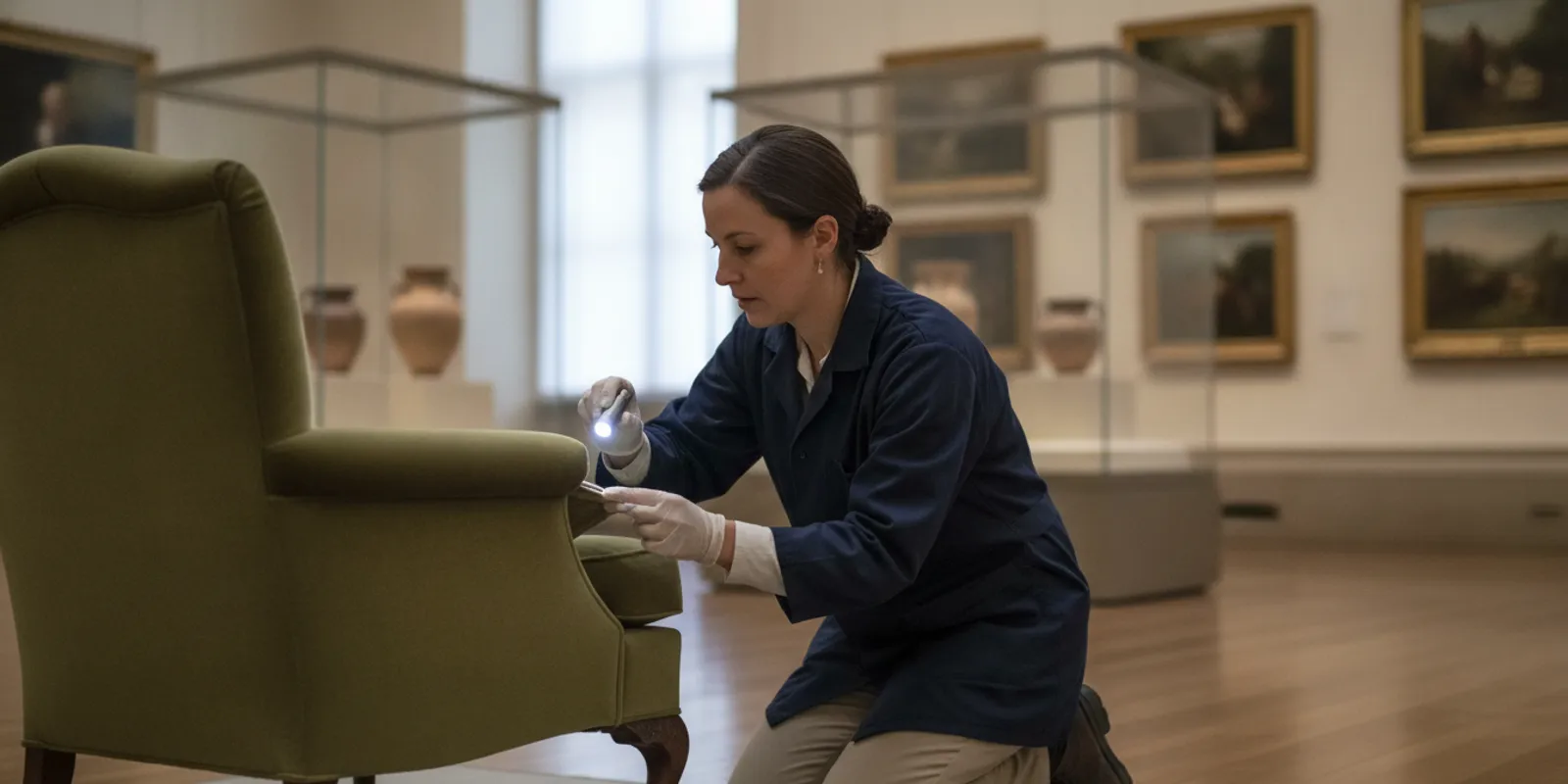
A written incident record reduces confusion if another report comes in. Include the room, item, evidence, staff actions, notifications, inspection date, and any areas checked. Do not include personal medical details that are not needed for the facilities response. The museum’s emergency planning lead can also align this process with broader procedures; the Wyoming State Museum’s environment and disaster preparedness resources collect planning materials for cultural institutions.
What should the incident log capture?
Use a consistent form or shared record rather than relying on informal messages. Give each report a reference number or other internal identifier, then enter the date, time, exact location, reporter’s description, and whether an insect or image was provided. Note who received the report, who was notified, and what immediate steps were taken. Distinguish observations from conclusions: “small insect seen on bench seam” is more useful than “confirmed bed bugs” when no identification has been made.
After inspection, add the professional’s findings, the areas examined, any limits to the inspection, and the reason for the recommended next step. If a treatment is arranged, record the scope, preparation instructions, access restrictions, and follow-up plan. Keep only information the institution needs, and store it according to its existing privacy and records procedures. The log should help a later staff member understand what has already been checked without encouraging assumptions about an unconfirmed case.
Where should a museum inspection focus?
Start with the exact point named in the report, then consider nearby resting places, upholstered furniture, and routes people or objects may have taken. A focused inspection is more useful than searching every room without a clear reason. Bed bugs can hide in narrow seams and crevices, so look carefully rather than relying only on a quick visual glance.
- Seats, benches, and other upholstered visitor furniture, especially seams, tufts, and undersides.
- Nearby staff seating, coat storage, lockers, and break areas if the report suggests those locations are relevant.
- Edges, joints, and crevices around the reported location, while avoiding disturbance to collection materials.
- Objects or bags that may have been moved from the area, following the museum’s handling and collections-care procedures.
Use the report to define the inspection boundary and expand it when findings justify doing so. This guide to common bed bug hiding places can help staff understand why seams and small gaps deserve attention. For questions about the inspection process, see what to expect from a bed bug inspection service.
How can staff set a sensible inspection boundary?
Write down the reported point first, then map a practical perimeter: the furniture named in the report, items directly beside it, and any adjacent location identified by a credible movement history or inspection finding. For example, a report on a gallery bench may justify checking its seams, the surrounding seating, and nearby staff belongings if they were placed there. It does not automatically justify searching unrelated offices on another floor.
Ask the inspector to explain why the scope includes each additional area. Relevant details may include whether an item was moved, how long it remained in another location, and whether more signs were found. This keeps the inspection broad enough to respond to evidence without turning a single uncertain report into an indiscriminate building search. Do not handle collection objects or remove them from storage simply to make inspection easier; coordinate any needed access with the collections-care lead.
How should museums protect visitors, staff, and collections?
Communicate in a calm, factual way. Give staff who manage the affected area clear instructions about reporting new evidence and avoiding movement of suspect items. If a space needs a temporary access adjustment, base it on the assessment and the museum’s operating procedures. Avoid alarming visitors with unconfirmed claims or sharing details that identify a reporter.
Collection objects require separate consideration from ordinary furnishings. Do not spray, steam, heat, bag, or discard an object as a do-it-yourself response. Treatment suitability can depend on the object’s materials and condition. Ask the collections-care lead to advise on object handling and consult a qualified pest professional about the room or furnishing. The National Park Service’s museum conservation material is a useful reminder that object care requires topic-specific guidance, not a one-size-fits-all pest procedure.
For operational readiness, identify in advance who receives reports, who can authorize an inspection, how records are stored, and how facilities and collections teams communicate. The Bergen County government’s museum and archives disaster response and recovery resource describes response planning for cultural institutions. Museums can use their own emergency plans and policies to make responsibilities clear.
What should an internal communication plan include?
Prepare a short internal notice template before an incident occurs. It can state the location being assessed, the staff contact for reports, and simple instructions not to move furniture or potential evidence without approval. Tailor distribution to the affected team rather than sending an unverified alarm to the entire institution. Front-of-house staff may need a neutral response for visitor questions, while facilities and collections staff need more specific operational details.
Keep messages factual and time-stamped. For instance, staff can say that a report is being assessed and direct new observations to the named coordinator; they should not promise that an area is clear before the inspection is complete. If temporary access measures are needed, record who authorized them, what area they cover, and what finding will trigger review. That makes the communication useful without implying that every person or object in the museum is affected.
How should the museum manage the area while it is assessed?
Use a consistent point of contact so staff are not passing along conflicting instructions. The coordinator can keep a dated log, confirm who has inspected the area, and share operational updates with the people who need them. If staff discover a possible specimen, they should note the exact location and avoid carrying it through the building. If safe, capture a photo or contain the specimen without crushing it, then ask the inspector how to preserve it for identification.
Review nearby movement without assuming that every visitor or object in the building has been exposed. Ask whether a suspect item was moved, when it was last used, and whether staff observed additional signs. This helps a qualified inspector choose a sensible scope. Keep the affected area orderly and avoid moving furnishings or belongings into offices, storage, or another gallery unless the response lead has a clear reason and procedure.
After an inspection or treatment, record what was checked, what was found, and any follow-up date or monitoring instruction. Tell relevant staff what to report and who to contact if they notice new signs. Reopening or returning an item to service should follow the provider’s site-specific recommendations and museum policies; do not rely on an assumed waiting period. Clear documentation helps the next shift act consistently and helps the museum distinguish a new report from an already assessed one.
How can a museum coordinate shifts and daily operations?
Include the response contact and the current status in the appropriate shift handoff, so evening, weekend, and contract staff receive the same instructions as the daytime team. Share only the location and actions needed to do the job. If an item remains out of use, mark it in the museum’s ordinary facilities tracking process rather than relying on a verbal reminder. Confirm who will remove a temporary notice or restore access after the responsible lead receives the inspection update.
For a multi-room site, maintain a simple status list with columns for location, report date, inspection status, next action, and responsible person. This is more actionable than a long narrative alone. It can show at a glance whether an area awaits inspection, follow-up, or no further action at present. Avoid describing an area as permanently cleared based on one visit unless the professional and museum policy support that conclusion.
How do response options compare?
There is no single treatment that fits every museum report. First establish what has been found and what areas are implicated. Then compare response options with the professional assessing the site and the museum staff responsible for collections and building operations.
| Option | Useful when | What to consider |
|---|---|---|
| Focused inspection | A report identifies a specific place or item, but confirmation is needed. | Define the reported location, inspect relevant nearby areas, and document findings before selecting treatment. |
| Targeted treatment | An assessment identifies a limited affected area and a suitable method. | Confirm the method, preparation, access limits, and follow-up plan; protect collections according to museum procedures. |
| Heat or steam approach | A professional determines that the method suits the affected space or furnishing. | Ask how the process is applied and whether materials, finishes, equipment, or collection objects could be affected. Do not apply heat or steam to objects without collections-care guidance. |
| Broader coordinated response | Evidence or inspection findings indicate a wider area needs attention. | Set a clear scope, coordinate facilities and collections staff, and keep records of treated and monitored areas. |
Some providers may use multiple methods as part of an integrated plan. Learn more about bed bug removal and prevention and compare general treatment considerations in the guide to heat treatment for bed bugs. These resources are general information, not a substitute for site-specific assessment or advice from a conservator about collection objects.
What should a museum ask before arranging treatment?
Before authorizing work, make sure the provider understands the setting and that the museum can prepare in a way that protects people and collections. Ask for answers in plain language and retain the plan with the incident record.
- What evidence supports the conclusion, and which rooms or furnishings are included in the scope?
- What preparation is required, and who is responsible for moving or protecting furnishings?
- Could the proposed method affect sensitive materials, finishes, equipment, or collection objects?
- What access restrictions apply during work, and what determines when the area can be used again?
- What follow-up inspection or monitoring is recommended, and how will results be documented?
- What should staff do if they find another suspected insect after the work is complete?
Ask the provider to explain any product or method in the context of the location where it will be used. Ace describes using inspection and assessment to guide a treatment plan, with methods that may include Aprehend, heat, steam, or integrated pest management as appropriate. Its Aprehend treatment overview offers more background on that option. A museum should still confirm suitability for its specific furnishings and coordinate collection-related decisions internally.
For institutions in the New York area, check that the provider serves the location and can discuss the site’s needs before work is scheduled. Review the company’s service areas, or view information about Manhattan, Queens, and Brooklyn service. A professional can discuss inspection needs and next steps after learning the details.
What should the museum confirm in writing?
Request a written scope that names the rooms, furniture, or other areas included, along with any areas deliberately excluded. Confirm preparation responsibilities, any required access restrictions, and how staff will know when the space may return to use. Ask how the work will be documented and what conditions would prompt a follow-up visit or an expanded inspection. If the plan could affect collection spaces or sensitive materials, route it to the collections-care lead before work begins.
This written plan gives the institution a shared reference point: operations can coordinate access, collections staff can address object-care concerns, and managers can communicate a consistent status. If the proposed work changes after new findings, update the scope and record who approved the change. Clear written expectations are especially useful when multiple departments or shifts are involved.
Discuss an inspection for your museum
Frequently Asked Questions
Should a museum close a gallery after one suspected sighting?
Not automatically. A single unconfirmed report does not establish the extent of a problem. Document the location, arrange an assessment, and make access decisions based on findings and the museum’s operating procedures.
Can staff treat an upholstered chair with a store-bought spray?
Avoid improvised applications. A product may be unsuitable for the material or setting, and spraying does not replace an inspection. Consult the person responsible for facilities, collections care, and a qualified pest professional before treatment.
Should a suspected chair be moved to storage?
Do not move it to collection storage or another room without a plan. Movement can complicate assessment and may transfer pests. Follow the museum’s procedure for isolating an item and ask the professional inspecting the site what containment steps are appropriate.
How can staff tell whether the report is confirmed?
A photo or bite report alone may not identify bed bugs. Preserve any contained specimen or clear image and arrange a professional assessment of the reported location. Record what was observed and distinguish confirmed findings from unverified reports.
What should the museum keep in its records?
Keep the report date, location, description or evidence, inspection scope and findings, actions taken, relevant notifications, treatment details if applicable, and follow-up results. Store records according to the museum’s privacy and facilities policies.
Keep the response evidence-led
A clear museum response starts with documentation, a focused inspection, and coordination between operations and collections-care staff. Confirm what is present, choose next steps for the actual site, and keep the record updated through follow-up.