
Preparing for bed bug service is not simply a matter of cleaning. The goal is to give the technician safe access to hiding places while preventing bugs from spreading to untreated rooms or neighboring apartments. This bed bug treatment preparation checklist gives NYC renters, homeowners, and property managers a practical starting point. Your technician’s written plan always takes priority because preparation varies by treatment method, building, and infestation. Ace serves Manhattan, Brooklyn, Queens, the Bronx, and Staten Island with professional bed bug removal services.
Request a customized bed bug treatment plan from Ace Bedbug Exterminating.
Begin early, work one room at a time, and clearly separate processed items from untreated belongings. If any instruction is unclear, contact the technician before moving furniture, packing bags, or applying products. The safest preparation is deliberate and coordinated, not rushed.
Bed bug treatment preparation checklist: start here
Use this printable-style list to organize universal steps that apply before most professional services. Do not check off a task until it is fully complete. Keep the provider’s instructions beside this list and add any treatment-specific requirements.
- Confirm the treatment plan. Ask which rooms will be treated, what must move, when occupants must leave, and when they may return.
- Coordinate access. Make sure the technician can enter every included room, closet, and storage area at the scheduled time.
- Document the rooms. Take photos and note where stains, shed skins, live bugs, or other possible signs were found. Share those observations with the technician.
- Reduce clutter carefully. Sort items inside the affected room. Do not carry loose belongings through the apartment or building.
- Create clear working space. Clear floors, baseboards, beds, upholstered furniture, and other areas named by the technician.
- Process washable items as directed. Follow fabric care labels and the technician’s laundry instructions. Seal completed loads immediately.
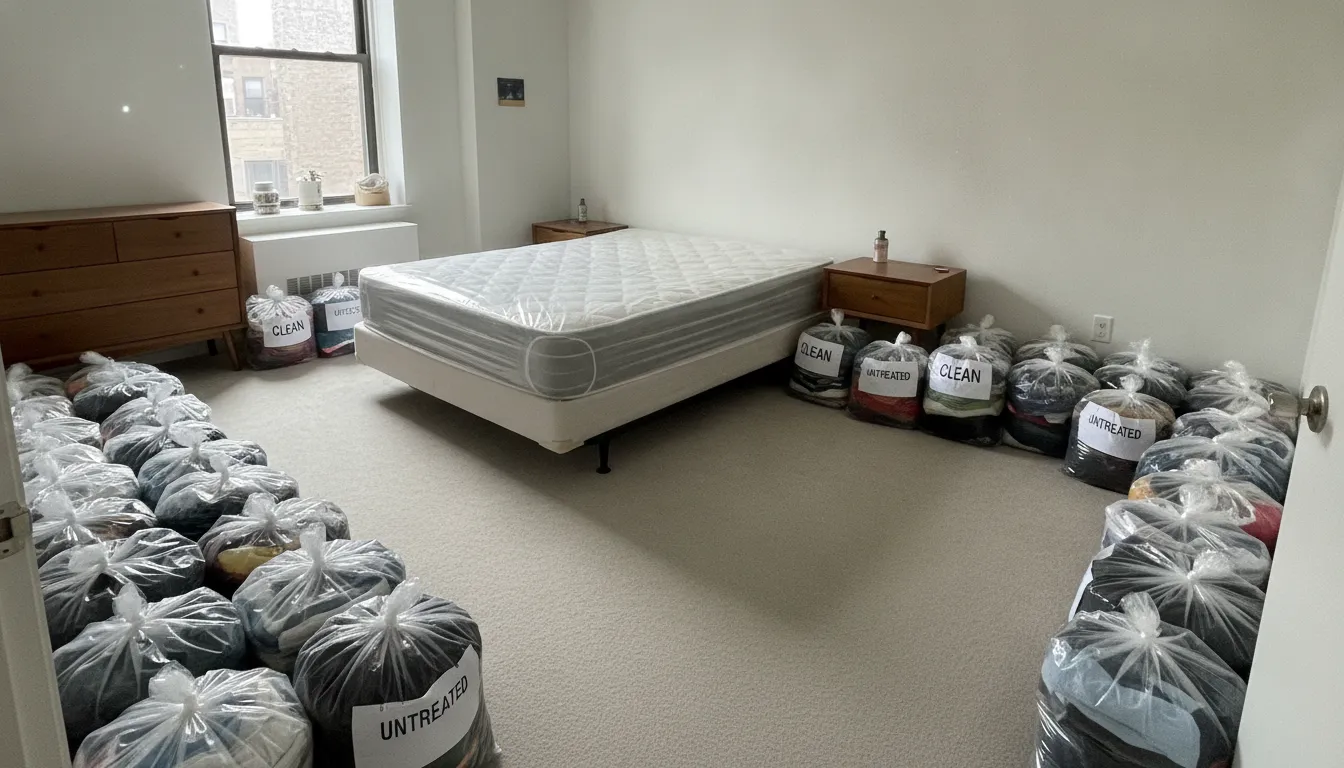
- Separate clean and untreated items. Label sealed bags so nobody accidentally reopens or mixes them.
- Prepare people and pets. Arrange a safe place away from the apartment for the period specified by the technician.
- Complete a final walkthrough. Verify access, remove unauthorized products, and tell the technician about any task you could not complete.
Preparation should make the home easier to treat, not empty it without direction. Moving unprocessed belongings can transport bed bugs to new hiding places. When in doubt, leave an item in place and ask Ace Bedbug Exterminating or your assigned technician what to do.
What should NYC renters and property managers coordinate?
Bed bugs in an apartment building require clear communication. Renters should notify the appropriate building contact promptly and keep a written record of reports, appointments, and instructions. Property managers should confirm how the technician will enter, which units are included, and who will communicate preparation requirements to residents. Inspection and treatment decisions about adjacent apartments should come from the pest professional and responsible building parties.
Share one clear set of instructions
Conflicting directions cause mistakes. The tenant, manager, and technician should work from the same current preparation sheet. Confirm the service date, arrival window, included rooms, expected absence period, and follow-up plan. Residents should disclose mobility concerns, pets, aquariums, sensitive belongings, or inaccessible areas before treatment day. If the scope changes, distribute an updated sheet instead of relying on hallway conversations or old messages.
Assign practical responsibilities
A property manager can help by identifying who grants access, confirming elevator or service-entry rules, and ensuring the technician can reach every approved area. Residents remain responsible for completing the preparation assigned to their units and reporting anything they cannot safely do. Ace Bedbug Exterminating can explain which tasks affect the service so managers and residents can prioritize the right work instead of guessing.
Plan for building logistics
In a NYC building, bags and furniture may pass through elevators, stairwells, hallways, or shared laundry rooms. Do not move untreated items through these spaces unless the technician provides a safe method. Schedule laundry carefully so processed bags do not sit beside untreated loads. Property managers should ensure authorized access and communicate only the information residents need to prepare. For local public-health information, review the NYC Health bed bug resources.
If a resident is unsure whether an observation indicates bed bugs, reviewing how to check for bed bugs in NYC can help them document useful details before the appointment. Avoid moving the suspected item while checking it.
Declutter without spreading bed bugs
Clutter gives bed bugs more hiding places and can block inspection and treatment. However, hurried decluttering can scatter them. Work slowly inside the affected room. Use sturdy bags or containers, label everything, and keep untreated items separate from processed items.
Sort items where they are
Create categories such as washable, non-washable, trash, and ask-the-technician. Do not carry a basket of loose items into another room to sort it. If something will be discarded, ask how it should be sealed and labeled before it leaves the apartment. Do not leave potentially infested furniture in a hallway, curb area, or common room.
Clear only the areas technicians need
Make floors and pathways accessible. Remove items from beneath beds and from the immediate areas named in the service plan. Technicians may need access to bed frames, upholstered furniture, baseboards, closets, and wall edges. Do not dismantle furniture or pull it away from walls unless instructed. Some methods require a different setup, and unnecessary movement can spread bugs or create safety problems.
Avoid unapproved pesticides
Do not apply sprays, foggers, powders, or home remedies before service unless the professional specifically approves them. Uncoordinated products can interfere with the treatment plan, expose occupants, or drive bugs into harder-to-reach areas. Tell the technician about anything already used. If the infestation feels urgent, contact the provider rather than improvising. The emergency bed bug removal guide explains sensible immediate actions.
Ask Ace Bedbug Exterminating about an inspection before you move or discard belongings.
How should you handle laundry and belongings?
Laundry is one of the most time-consuming parts of preparation, so start early. Follow the provider’s instructions and every item’s care label. The dryer step is often important for dryer-safe fabrics, but the correct settings and process should come from the technician. Do not assume every belonging can safely tolerate heat.
Keep processed loads protected
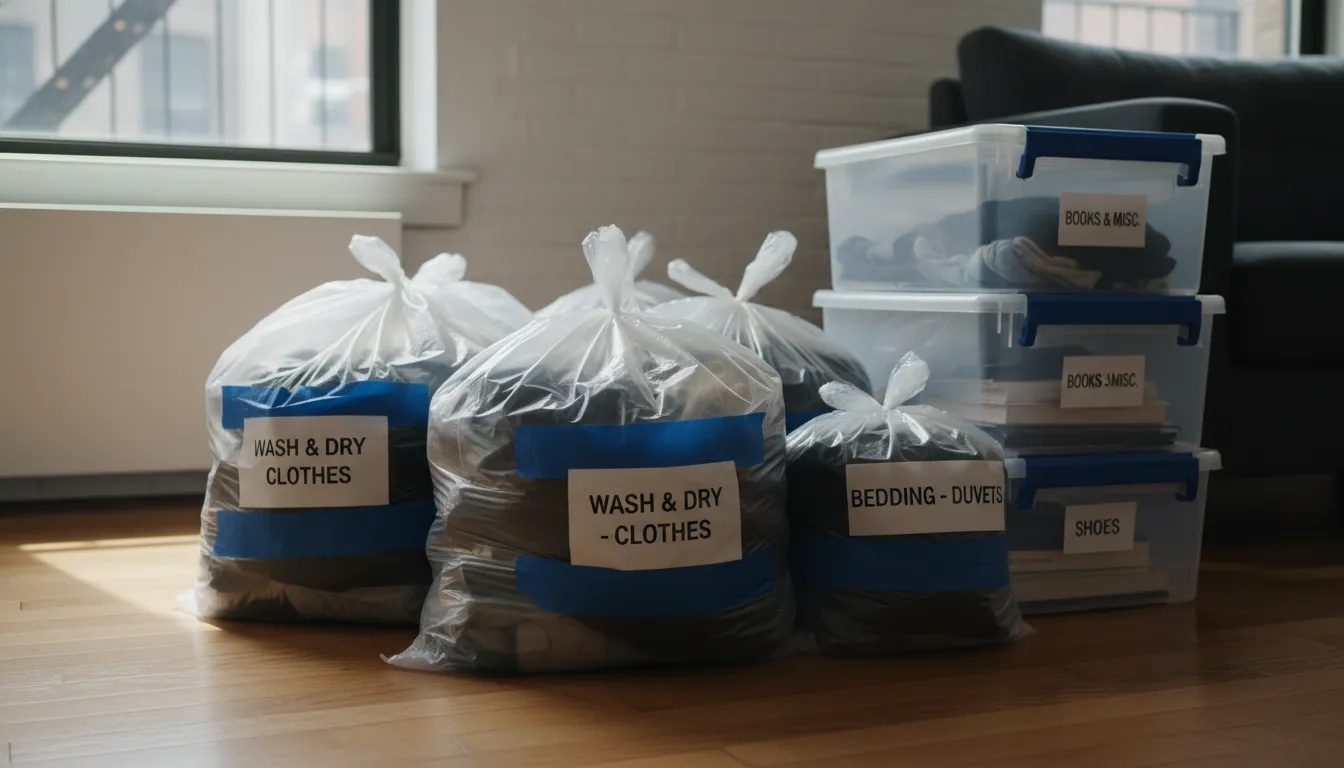
Move laundry to the machine in sealed bags as directed. After processing a load, place it into a new clean bag or container and seal it immediately. Never return clean items to the same unprocessed bag. Mark the container with its contents and completion status. Store it only where the technician says it is safe.
Ask before handling delicate items
Electronics, artwork, medicines, books, shoes, toys, and delicate fabrics may require special handling. Do not discard expensive or sentimental belongings simply because they cannot go in a dryer. Put them in the ask-the-technician category and request a specific plan. Likewise, do not open drawers, empty closets, or bag every possession unless directed. Access requirements differ by treatment.
Prevent accidental reintroduction
Everyone in the household should understand the labeling system. A sealed processed bag loses its protection when someone opens it beside untreated belongings. Keep a small set of needed clothing separate, process it as directed, and avoid carrying unprocessed bags to work, school, another apartment, or a vehicle. A simple written log of completed loads can prevent duplicate work and confusion in a large household.
Which preparation steps depend on the treatment?
The universal goal is safe, effective access. The exact preparation work depends on the selected service. Use the comparison below only to understand why instructions can differ. It is not a substitute for the plan issued for your apartment.
| Preparation issue | Why instructions may differ | What to do |
|---|---|---|
| Furniture placement | Different approaches need access, airflow, or targeted placement in different areas. | Move furniture only as directed. |
| Bagging belongings | Excessive bagging can block access, while too little separation can mix processed and untreated items. | Bag only the categories specified and label them. |
| Heat-sensitive items | Some treatment plans may expose belongings to elevated temperatures. | Identify sensitive items and follow the removal or protection list. |
| People and pets | Required absence and reentry timing varies by the service and products used. | Follow the technician’s exact departure and reentry instructions. |
| Cleaning afterward | Immediate cleaning may remove material intended to remain in selected areas. | Ask what may be cleaned, when, and how. |
Heat-based and targeted applications can require very different preparation. Read about professional heat treatment for bed bugs and Aprehend bed bug treatment to understand the methods, then follow the instructions for the service actually selected. Ace Bedbug Exterminating will explain the preparation required for its recommended plan.
What happens on treatment day?
Finish the final walkthrough before the arrival window. Make sure authorized adults know how to reach you and that the technician can access all included areas. Point out sightings, suspected hiding places, inaccessible spaces, and any preparation task that remains unfinished. Honest information helps the professional adapt the plan.
Before leaving the apartment
- Remove people and pets according to the technician’s directions.
- Handle aquariums, pet supplies, food, medicines, and sensitive items exactly as instructed.
- Keep processed bags sealed and untreated items in their assigned locations.
- Provide keys, building access details, and current contact information.
- Do not apply a last-minute pesticide or move loose belongings.
Walk the plan with the technician
When possible, identify the most active areas and explain what has changed since the inspection. Mention any item that could not be moved or processed. Ask the technician to confirm the reentry time and post-treatment restrictions before you leave. Ace Bedbug Exterminating’s trained service specialists can use that information to clarify the next steps and keep preparation aligned with the selected service.
Follow the stated reentry time
Do not return simply because the appointment window has ended. Wait for the technician’s approval and follow all reentry instructions. If a resident, pet, or sensitive item creates a concern, raise it before service. After returning, ask which areas may be cleaned and which should remain undisturbed.
Keep your apartment treatment-ready afterward
Preparation continues after the first visit. Keep processed items sealed until the technician says they can be returned. Avoid moving furniture or belongings between rooms, and do not introduce used furniture without discussing it with the professional. Maintain clear access for any scheduled follow-up.
Monitor and report clearly
Use the monitoring approach recommended by the technician. Record dates and locations of sightings rather than making major changes to the apartment. A sighting does not automatically mean you should spray or discard belongings. Contact the provider, share the details, and follow the next instruction. Photos and a simple room-by-room log can make a follow-up conversation more useful.
Protect follow-up access
Do not undo careful preparation by reopening every bag or refilling cleared areas immediately. Ask when routine storage and cleaning can resume. Property managers should confirm access for any follow-up inspections and keep residents working from the same instructions. Ace Bedbug Exterminating can clarify what must remain in place between visits.
Review how the infestation may have started
Once the immediate treatment plan is underway, review travel, used furniture, visitors, and building conditions without assigning blame. Understanding where bed bugs come from can support practical prevention. Continue following the technician’s monitoring plan instead of making uncoordinated changes.
Frequently asked questions
Should I move everything out before bed bug treatment?
No. Moving untreated belongings can spread bed bugs. Remove or relocate only the items named by your technician, using the sealing and handling method provided.
Do I need to wash every item I own?
Not necessarily. Your provider should identify which washable items need processing and how to protect them afterward. Ask about delicate or non-washable belongings rather than improvising.
Can I sleep somewhere else before treatment?
Ask your technician before changing where you sleep or carrying belongings elsewhere. Moving to another room or apartment may increase the risk of spreading bed bugs.
How long must people and pets stay out?
The required time depends on the treatment plan. Follow the exact departure and reentry instructions issued by the technician rather than a generic online estimate.
What if I cannot complete the checklist?
Contact the provider before the appointment. Explain which tasks are difficult or incomplete. The technician can clarify priorities and determine whether the service can proceed safely and effectively.
Request a treatment plan built for your apartment
A clear plan makes preparation easier and reduces the chance of spreading bed bugs during the process. Contact Ace Bedbug Exterminating to discuss your NYC apartment, building access, and the exact preparation required for the recommended service.
2 Responses