
Bed Bugs in Couch: Signs, Inspection, and Treatment
A sudden itchy rash after a night on the sofa often points to a hidden pest problem. Bed bugs love the deep cracks and seams inside furniture because these spots offer easy access to blood.
Schedule a professional bed bug inspection with Ace Bedbug Exterminating before moving the couch or its cushions through your home.
Bed bugs love the deep cracks and seams inside furniture because these spots offer easy access to blood.
Bed bugs in couch fabric are often found by checking the seams, folds, and the space under the seats. These pests are small and flat, which lets them hide in any crack as thin as a credit card. You should look for dark spots of waste, tiny white eggs, or shed skins left behind by growing bugs. Real signs also include reddish stains from crushed insects or itchy bites that appear in rows on your skin. The Environmental Protection Agency says these insects stay near where people sit to ensure a steady food supply. Professional tools like biopesticides or heat treatments are often needed to reach deep into the furniture frame. Acting fast keeps the bugs from moving to other rooms.
If you need to know how to find these pests in your home, start here. Keeping your family safe starts with a thorough check of your living room furniture. Identifying signs of bed bugs in a couch is the best way to begin. Start by looking closely at the fabric and frame.
Signs of bed bugs in a couch
You can find bed bugs in a couch by looking for dark ink-like spots, rusty stains, and shed skins. Check deep in the seams, under the cushions, and along the wood frame for these pests. If you find itchy, red welts on your skin, you may have an active problem that needs expert care.
Finding bed bugs in couch cushions or seams can be stressful. These small, flat pests are about the width of a credit card. This size lets them hide in tight spots. If you think there is a bug, you must look for clear clues before the problem spreads. Regular checks help in finding bed bug pests early to protect your home and family.
Visual clues on fabric
One of the most common signs is dark spots on the fabric. These dots are bed bug waste and often look like a small ink mark from a pen. You might also find rusty or red stains. These marks happen when a bug gets crushed against the cloth. These signs often show up in these areas:
- Along the edges and seams of the couch.
- On the tags of the seat cushions.
- In the folds of the fabric.
Look for tiny, pale yellow skins as well. Young bugs shed their skins as they grow larger. You may also see eggs or eggshells. These are very small, about 1mm in size, and look like tiny grains of rice. According to the Environmental Protection Agency, these signs are often the first proof of an active bug problem.
Common hiding spots
Bed bugs love to hide in dark, quiet areas where they can stay close to a meal. In a couch, this means checking every fold and gap. Start by looking under the seat cushions and along the piping of the fabric. Use a light to see into the deep cracks where the back of the couch meets the seat. If a gap can hold a credit card, it is wide enough to hide a bug.
Do not forget to check the bottom of the couch. Turn it over and look at the dust cover on the base. Bugs often hide in the wood frame or behind the staples that hold the fabric in place. They stay in these spots during the day and come out at night to feed. Since bed bugs are red-brown and flat, they blend in well with wood and dark cloth.
Bite marks and other signs
While you may not see the bugs, you might feel them. Bed bug bites often look like red, itchy welts. These marks can show up in a group or a straight line. They look a lot like flea or mosquito bites, which can make them hard to spot right away. Most people do not feel the bite when it happens. This is because the bugs put a numbing fluid into the skin.
You may also notice a sweet, musty smell if the bug problem is large. This scent comes from the glands of the insects. If your living room starts to smell strange and you have new itchy spots, it is time to act. Expert help is the best way to get expert bed bug treatment to ensure the pests do not return.
How to inspect a couch for bed bugs safely
Inspect a couch safely by isolating the area, using a bright flashlight and a thin card, and checking one seam at a time. Ace Bedbug Exterminating recommends that you avoid carrying cushions into other rooms because moving infested furniture can scatter bugs and eggs throughout a home or apartment.
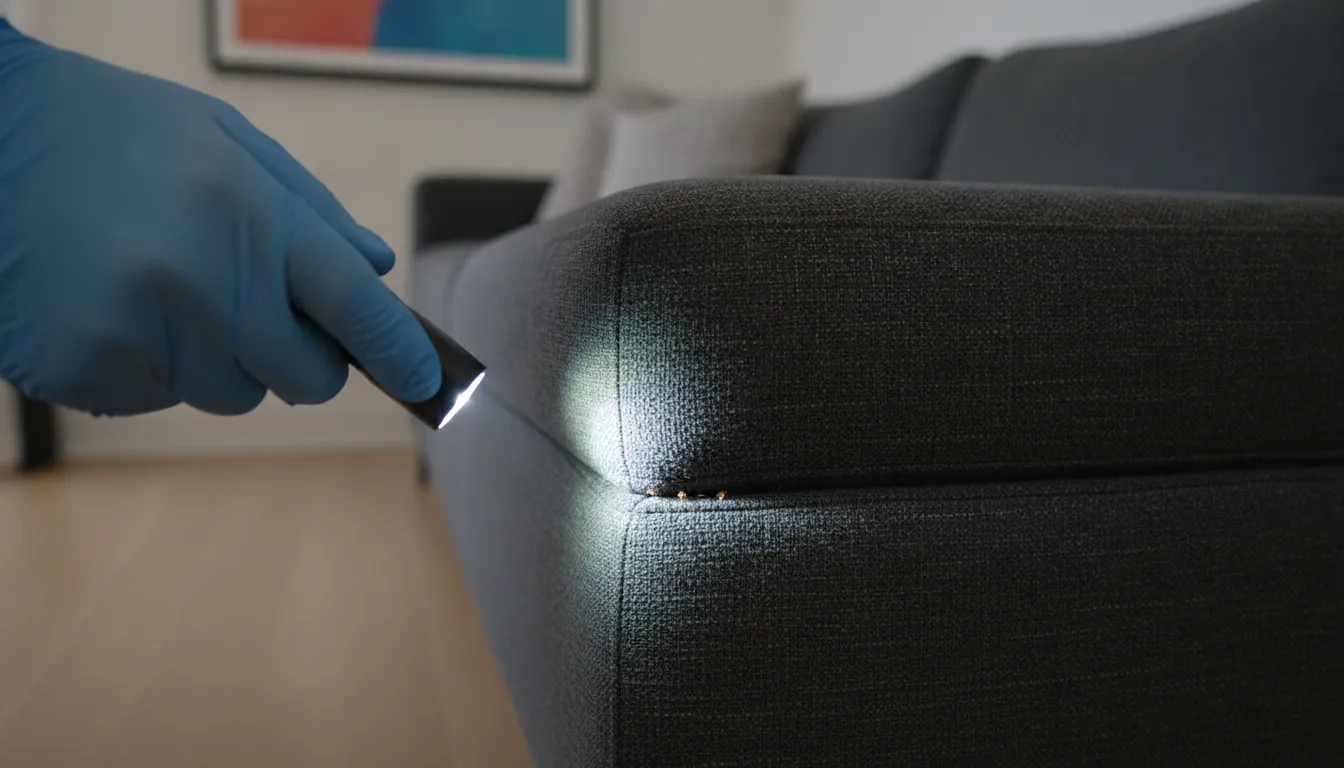
Checking your furniture for bugs requires a slow and careful touch. You must look for signs of bed bug activity without causing the pests to scatter. These small, flat insects often hide in the tightest spots of your couch to stay close to their next meal. Moving cushions or fabric too fast can push them deeper into the frame or spread them to other rooms.
Gather your inspection tools
Before you start, get the right tools to find these pests. A bright flashlight is the most important item for seeing into dark corners and deep folds. You also need a thin plastic card, like an old credit card, to probe into thin gaps. This helps because if a crack can hold a card, it can hide a bed bug. Use white latex or nitrile gloves to protect your hands and make it easier to see any bugs you might catch.
Keep clear plastic bags nearby for any items you find that might have bugs on them. If you see a bug or find proof of one, take a clear photo with your phone. This proof is helpful when you seek bed bug services across New York City later. Use the bags to seal up small pillows or throws right away. This stops the bugs from moving around your home.
Search the most common hiding spots
Start your search where the couch meets the floor and work your way up. Look closely at the seams, piping, and zippers of every cushion. These are top spots for bugs to hide. Check the areas where the back and arms of the couch meet the seat. Bed bugs often cluster in these dark, tight spaces where people sit for long periods. Be sure to flip the couch over to check the dust cover and legs on the bottom too.
According to the EPA, bed bugs hide in small cracks and crevices, including the seams of chairs and couches. You should look for more than just live bugs. Watch for dark spots of waste that look like ink dots from a pen. Also, look for pale yellow skins that the bugs shed as they grow. Small reddish stains on the fabric can also mean a bug was crushed there recently.
- Put on your gloves and turn on your bright light. Clear the area around the couch so you have space to move and see clearly.
- Look at the cushions first by checking every side. Pay close attention to the seams, tags, and zipper folds where bugs like to tuck away.
- Pull out the cushions and check the cracks between the armrests and the seat. Use your card to gently probe into these narrow gaps and watch for movement.
- Inspect the bottom of the frame by tipping the couch over. Look at the legs and any tears in the dust cover fabric on the underside.
- Check the nearby area such as rugs or baseboards touching the couch. Bed bugs may crawl a short way from the furniture to hide during the day.
- Bag any small items like throw pillows or blankets if you find any signs. Seal the bags tight to keep the pests inside until they can be treated.
- Record what you find with photos and notes. This data helps experts know the size of the problem and the best way to fix it.
A good search takes time but gives you the facts you need to act. If you find signs, do not move the couch to the curb. Doing so can drop bugs in the halls or on the street. It is best to leave the furniture in place and call for help. A vacuum can help remove some bugs. But the Mayo Clinic notes it rarely gets every single one.
What should you do after finding bed bugs in couch seams?
After finding bed bugs in couch seams, stop using and moving the furniture, keep cushions in the same room, and arrange a professional inspection. Ace Bedbug Exterminating can assess the couch and nearby areas so the treatment plan addresses the infestation without spreading it through the home.
Finding bed bugs in your couch is stressful, but the first step is to stay calm. Do not drag the couch through your home or apartment. Moving it can drop bugs in every room you pass and turn a contained problem into a larger infestation.
Keep the bugs in one spot
Your main goal is to keep the pests from moving. Do not move the couch or its cushions to another room. You need to keep the area small so the bugs do not spread to your bed or other chairs. If you act too fast without a plan, you might make the task of cleaning your home much harder.
You should follow these rules to stop the spread:
- Leave the couch in its place until a pro looks at it.
- Put blankets and pillows in plastic bags and seal them tight.
- Keep pets and kids away from the couch.
- Do not use store-bought bug sprays on the cushions.
Store sprays often fail to get deep into the couch frame. Often, these sprays just make the bugs hide even more. Instead, you should focus on immediate steps for bed bug removal to keep your family safe.
Clean the area with care
Once you have stopped the bugs from spreading, you can start a deep clean. A vacuum with a long hose tool is your best friend here. Run the tool along every seam, fold, and crack in the couch. The EPA notes that bed bugs hide in spots as thin as a credit card. Check the dark spots under the cushions where the frame meets the fabric.
Vacuuming helps a lot, but it is not a fix for the whole problem. It is hard to get every egg and bug out of a soft couch. When you finish, empty the vacuum into a bag and seal it. Put the bag in a trash can outside your home. If your couch has covers that you can remove, wash them in hot water. High heat is one of the best ways to kill these pests.
Know when to call for help
A couch is a large item with many layers. Because of this, professional bed bug help in Manhattan is often the only way to be sure they are all gone. Pros use special tools that can reach the heart of the couch without hurting it. They might use heat or a biopesticide that keeps working for a long time.
Sometimes, the couch might be too far gone. If the bugs are everywhere, you may have to toss it. The Mayo Clinic warns to make the couch unusable before you put it on the curb. You do not want a neighbor to pick it up and bring the bugs into their own home. Cutting the fabric or marking it with paint are good ways to warn others.
DIY steps versus professional couch treatment
DIY vacuuming and careful cleaning can reduce visible bugs, but they may not reach insects or eggs hidden inside the frame. Professional couch treatment begins with a broader inspection and can combine methods for the actual infestation. Ace Bedbug Exterminating helps determine whether the couch can be treated as part of the home.
Getting rid of bed bugs in a couch can be a slow process. While you may want to handle the problem on your own, DIY methods have limits. Small mistakes can cause the bugs to spread to other rooms. Knowing when to use home tools and when to call a pro is key to saving your furniture.
Explore professional bed bug removal options before relying on a couch-only DIY treatment.
Home cleaning limits
You can start by using a vacuum on all seams and folds. This helps remove some bugs, but it rarely gets all of them. To be safe, you must empty the vacuum into a sealed bag after each use. If the immediate steps for bed bug removal do not work, the bugs may be deep inside the frame. Some people try to use bug sprays from a store, but these often fail to reach deep into the cushions.
Heat is one of the best ways to kill these pests. Washing couch covers in water that is at least 120 F can help. You can also put dryer-safe items in a dryer on a high setting for 20 minutes to kill bugs. However, high heat can damage some couch materials if you are not careful. If a couch has too many bugs, you might need to throw it out. Always mark it as unusable so no one else takes it home. You can learn more about heat and cleaning steps from medical experts.
Why experts are needed
Bed bugs are very thin and can hide in narrow cracks. Because bed bugs hide in seams and tight spots, store-bought sprays often miss them. Professionals can select appropriate tools and build a treatment plan around the conditions they find. A full contact Ace Bedbug Exterminating plan looks at the whole home, not just one seat.
Treating a home can take weeks or even months. Pros use a method called Integrated Pest Management to find the best fix with the least risk. This plan combines cleaning, heat, and safe tools to stop the bugs for good. If you skip steps, the bugs can live for many months without a blood meal. A pro inspection helps find every hiding spot before the work starts.
Choosing your path
Deciding between a DIY fix and a pro service depends on how big the problem is. Small spots might respond to deep cleaning, but large ones need expert gear. The table below shows how the two paths compare when you find bed bugs in a couch.
| Feature. | DIY cleaning. | Professional treatment. |
|---|---|---|
| Tools used. | Vacuum and home dryer. | Tools chosen for the treatment plan. |
| Reach. | Visible surfaces and accessible seams. | Inspection and treatment of identified hiding areas. |
| Follow-up. | Easy to miss hidden activity. | Monitoring and follow-up can be built into the plan. |
| Time needed. | Repeated cleaning and monitoring. | Varies according to the inspection findings. |
| Safety consideration. | Risk of spreading bugs or misusing products. | Product and method selection by a trained professional. |
Can a couch with bed bugs be saved?
Yes, a couch with bed bugs can often be saved when its condition allows thorough inspection and treatment. Do not discard it before an assessment, since moving it can spread the infestation. Ace Bedbug Exterminating can examine the upholstery, frame, and surrounding room before recommending the next step.
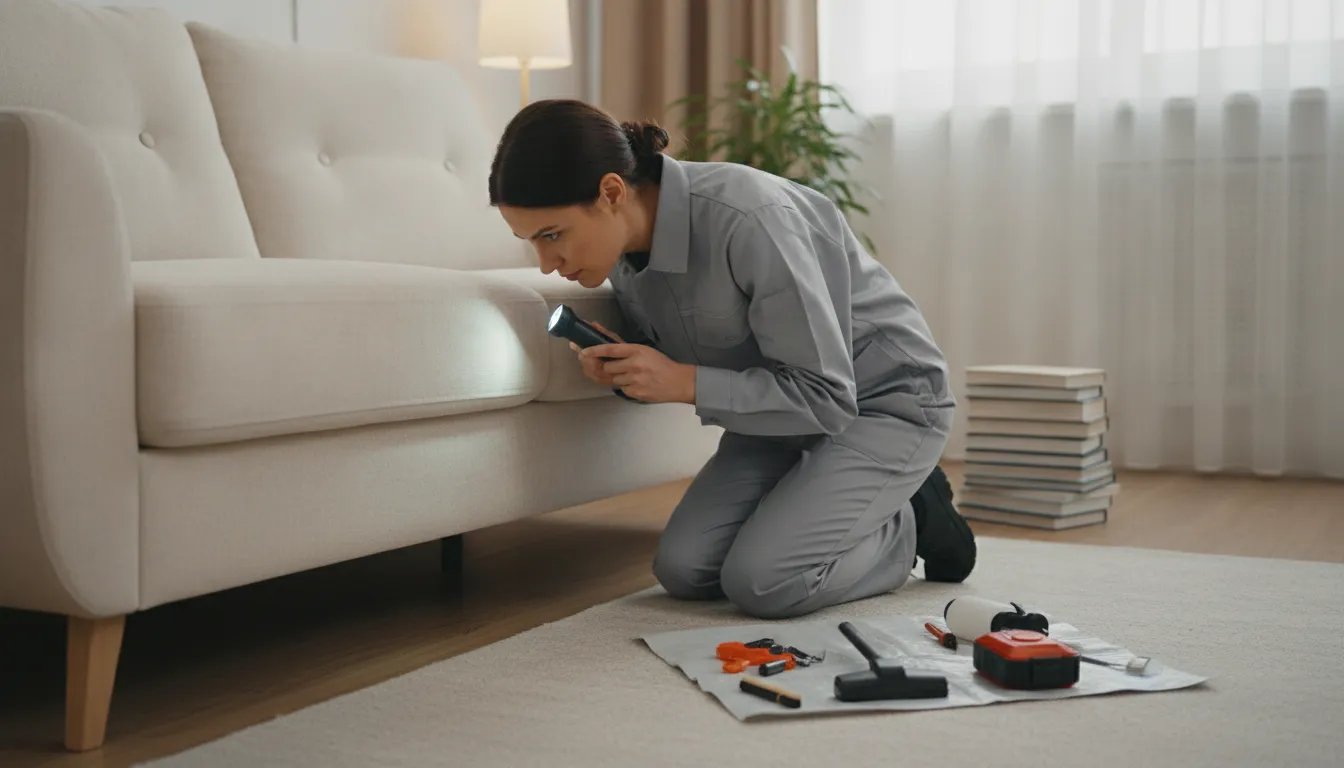
Finding bed bugs in your sofa is stressful. You might think you must toss the piece out right away to stop the spread. Many people can save their furniture with the right help, depending on its condition and the extent of the infestation.
Saving vs throwing out furniture
You can often save a couch if you find the bugs early. Pros use tools like heat and bio-pesticides to reach deep into the frame. But if the fabric is torn or the bugs are deep in the foam, cleaning might cost too much. In those cases, discarding the item may be the best path.
Wait to toss your couch until you have a professional bed bug treatment plan. Moving the couch can spread bugs to other rooms. If you do throw it out, cut the fabric or mark it with paint. This stops others from taking it home and spreading the pests.
Why tossing it is not a full fix
Getting rid of the couch does not mean the bugs are gone from your home. These pests are small and flat, so they hide in more than just one spot. They can fit into gaps the width of a credit card. You may find them in baseboards, rugs, or nearby chairs.
A full home check is the only way to be sure. At Ace Bedbug Exterminating, we use a professional bed bug inspection as the first step for every client. we look for tiny eggs, dark spots, and shed skins to find every hiding place. This ensures that a new couch will not get bugs the moment it arrives.
Safe ways to handle the couch
If you keep the couch, do not try to fix it with store sprays. Most cheap sprays do not reach the deep spots where bugs hide. Instead, use a vacuum to pull some bugs out of the seams. This helps, but a vacuum will rarely capture all of them.
Washing your cushion covers in hot water can also help. Water that is at least 120 F can kill bugs and their eggs. Use a high-heat dryer for 20 minutes for even better results. These steps help lower the bug count while you wait for a pro to finish the job.
When to call a bed bug professional
Call a professional when you find live bugs, eggs, shed skins, or dark spotting, or when signs appear beyond the couch. Ace Bedbug Exterminating can inspect the furniture and nearby rooms, identify hiding areas that are easy to miss, and recommend a treatment approach based on the infestation.
You may feel stress when you find bed bugs in couch cushions or seams. Small groups of these pests can grow into a larger problem. While some try to fix it themselves, experts have the tools and experience to find eggs and nymphs that you might miss.
Signs you need an expert
If you see dark spots on your fabric, it could be waste from the bugs. You may also find red stains or tiny yellow skins. These pests are very thin and can fit in any gap as wide as a credit card. According to the EPA, they often hide in the deep seams and folds of chairs and couches. If you see these signs, you should get a professional inspection right away.
How an inspection helps
A pro will check your home to see how far the bugs have spread. They don’t just look at the couch. They check baseboards, rugs, and beds too. This help is vital because Ace Bedbug Exterminating’s experience early can stop them from moving to other rooms. The expert will then build a plan based on what they find to clear your home.
What NYC residents should prepare
Before the expert arrives, you’ll need to clear the area around your couch. Move bags and clutter away from the walls so the pro can reach every spot. You should also be ready to wash small items on high heat. The Mayo Clinic states that heat over 120 F can kill the bugs. Once the area is ready, your pro can start the professional bed bug treatment to keep your home safe.
How to prevent bed bugs from returning to the couch
Prevent a return by inspecting used furniture before it enters the home, reducing clutter around the couch, monitoring seams, and following every treatment preparation and follow-up instruction. Ace Bedbug Exterminating can help identify recurring signs and inspect nearby hiding areas when you suspect renewed activity.
Stopping a new pest outbreak starts with smart habits at home. Bed bugs are experts at hiding in small cracks and crevices, which makes furniture a top target. To keep your living space safe, stay alert and take active steps to spot their return. A clean home helps you find pests fast, even though bed bugs are not attracted to dirt or grime.
Check used furniture with care
Buying used items can save money but often brings risks. If you buy a used sofa, check every seam and fold before you bring it inside. Look for tiny dark spots or shed skins that hint at a pest problem. If a crack is wide enough to hold a credit card, it can hide a bed bug. It is best to avoid furniture found on the street, as these items are often left out due to pests.
If you must bring in a used item, keep it in a garage or away from your home first. You can use a bright light to scan the fabric and frame. This extra step helps you spot signs of bed bugs in couch cushions before an infestation starts. Being careful now will save you time and stress later.
Reduce clutter near seating areas
Pests need places to hide, and clutter gives them many options. Keep the area around your couch free of piles of clothes, paper, or bags. When there are fewer spots to hide, it is much easier to identify bed bug infestations early. Move furniture away from the wall slightly to make it easier to clean and check behind the cushions.
You should also wash any fabric items near your couch on high heat. Bed bugs can live for many months without a blood meal, so they can wait in hidden spots. High heat is a great tool for home care. Washing items in water of at least 120 F can kill pests and keep your home safe.
Watch for new signs of pests
Early detection is the best way to stop a big problem. Check your couch once a week for small red stains or dark specks. Use a vacuum to clean the crevices of your furniture often. While vacuuming can remove some bed bugs, it may not get all of them. Always empty the vacuum into a sealed bag and take it outside right away.
If you have guests stay over, check your couch after they leave. Pests can travel in bags or on clothes. If you see any signs, you may need a holistic approach to clear the area. Acting fast keeps your home pest-free and protects your family.
Frequently Asked Questions
These concise answers cover common questions about bed bugs in couch upholstery, couch covers, steam, and survival. They can help you understand the issue, but an inspection by Ace Bedbug Exterminating is the clearest way to assess suspected activity in your furniture and nearby rooms.
Can bed bugs live in sofas?
Yes, bed bugs often live in sofas and other upholstered furniture. These pests are very thin and can hide in any gap that holds a credit card. You will usually find them in the seams, folds, and under the cushions of a couch. According to the EPA, they also hide in the piping and tags of fabric items. Because they are so small, they can stay hidden in the frame of a sofa for a long time.
Do couch covers work for bed bugs?
Yes, a bed bug couch cover can be a great tool to trap bugs inside your furniture. These covers use a special zipper that keeps pests from getting in or out. Once the cover is on, the bugs inside can no longer bite you and will slowly die. However, a cover does not remove the pests from the rest of your home. You should still use a professional service to check for more bugs in your walls or rugs.
Does steam cleaning kill bed bugs in furniture?
High-heat steam cleaning is a very good way to kill bed bugs on the surface of a couch. For this method to work, the steam must reach a temperature of at least 120 F to kill both the bugs and their eggs. While steam works well for the fabric, it may not reach bugs that are deep inside the frame. You should use steam as part of a larger plan that includes vacuuming and expert treatments for the best results.
How long can bed bugs live in a couch without food?
Bed bugs are very hardy and can live for several months without a blood meal. This long life span makes them hard to get rid of with simple cleaning. According to the Mayo Clinic, their ability to hide well and go months without food is why infestations last so long. If you leave a couch alone for a few weeks, the bugs will likely still be there when you return to sit on it.
Are you ready to schedule an expert bed bug inspection?
If you see bugs, eggs, shed skins, or dark spotting in a couch, avoid moving the furniture and arrange an inspection. Ace Bedbug Exterminating can check the couch and nearby hiding areas, explain what the evidence means, and recommend an appropriate next step.
Book an expert bed bug inspection with Ace Bedbug Exterminating to get a clear assessment and a plan for your home.