
Can Bed Bugs Travel Between Apartments in NYC?
A single bed bug can crawl through a wall outlet and start a new colony next door. In dense NYC housing, these pests move through small gaps in floorboards and plumbing lines. You must act fast to stop them. For professional bed bug removal in NYC, Ace serves Manhattan, Brooklyn, Queens, the Bronx, and Staten Island.
Schedule a professional NYC bed bug inspection before the problem spreads to another unit.
Yes, can bed bugs travel between apartments is a big worry for NYC renters because these bugs move through walls, power outlets, and pipes. They are skilled hitchhikers that also spread on clothing and bags when people move between units. According to the EPA, experts suggest treating all nearby units on both sides, above, and below to stop the spread. Relying on DIY bug sprays often backfires because these products can cause the bugs to scatter and hide deeper in other apartments. Early signs of travel include reddish-brown stains on sheets or seeing the bugs in furniture gaps. An expert check is vital because experts find hidden groups that most people miss.
Living in an apartment building means sharing more than just a lobby. You must know how these bugs find their way through local buildings to protect your home. Knowing Can bed bugs travel between apartments in NYC? is the first step. The path begins with
Can bed bugs travel between apartments in NYC?
Yes, bed bugs move between apartments quite easily. In dense cities like New York, many units share walls, floors, and ceilings. These shared spaces create clear paths for bugs to crawl from one home to the next. If you find an infestation, there is a high chance that bed bugs travel between apartments near yours. They are small and flat. This helps them fit through tiny gaps that people often miss.
How bugs crawl through walls
Bed bugs are wingless insects, but they are fast crawlers. They often use the voids inside walls to move around. They follow wires, pipes, and vents to find new hosts. In a large building, bed bugs can travel to units above, below, or on either side. Because they can live for months without a blood meal, they have plenty of time to find a new place to stay.
Old buildings in NYC often have more cracks and gaps. These openings let bugs move even faster. To help stop them, you can seal cracks along your baseboards. Use caulk around your pipes and light fixtures to block their paths. This step is a key part of bed bug treatment and prevention for renters in large buildings.
The risk of hitchhiking bugs
While bed bugs crawl through walls, they also spread by hitchhiking on items. They can hide in laundry baskets, clothes, or bags. If you share a laundry room, a bug could jump onto your clean clothes. They also travel on furniture or rugs left in hallways. This is why you should never bring used furniture into your home without a professional bed bug inspection first.
If you see signs of bugs, tell your landlord in writing right away. One unit with a problem puts the whole floor at risk. Using cheap bug sprays at home can actually make the problem worse. These sprays can scare the bugs and cause them to move into other units. This makes the infestation much harder to stop. Professional help is the best way to clear your home and keep your neighbors safe.
The most common routes between units
Bed bugs are small insects that do not have wings. They cannot fly, but they move fast on their feet. In New York City, many people live close together in high-rise buildings. This makes it easy for pests to move between homes through small gaps.
You may wonder can bed bugs travel between apartments when a neighbor has them. The truth is that they often use shared paths to find new spots to hide and feed.
Shared paths through walls and pipes
Bed bugs often move through the walls that neighbors share. They use tiny cracks and holes to slip into a new unit. They can crawl through spots where power wires or outlets meet the wall. These paths act like small halls for the bugs.
Pests also follow pipes for water and heat that run between floors. Because these pipes connect the whole building, they help bugs travel a long way to find a host.
It is hard to stop these bugs once they start to move. They are tough and can live for months without a blood meal. You should know that bed bugs do not spread disease to people.
But their bites can still cause a lot of stress and lack of sleep. Sealing cracks along your baseboards with caulk can help block these routes. If you see signs of a problem, a professional bed bug inspection is the best way to find where they are hiding.
Common areas and high traffic zones
Vents and air ducts are also common paths for these pests. Air moves through the building to keep rooms cool or warm. Bugs can crawl into these vents and move from room to room.
In some cases, they can even move between floors this way. It is vital to check any vent covers for signs of bugs. If the vents are loose, they give pests an easy way to enter your home.
Shared spaces in your building can also spread bugs. Hallways and elevators see a lot of foot traffic every day. A bug can drop off a person’s clothes or bag and wait for a new host.
Laundry rooms are another high-risk zone in dense housing. Bugs can hitch a ride on laundry baskets or piles of dirty clothes. The heat from a dryer can kill them, but they can still spread in the folding areas.
Moving items and furniture
Visitors can also bring bugs into your home without knowing it. Pests can hide in bags, coats, or shoes. If a friend has a bug problem at their place, the pests might hitchhike to your home.
To stay safe, keep your bags off the floor in shared areas. If you suspect an issue in your building, you should talk to your landlord. Most housing managers must keep pests out of their homes to keep them safe and clean.
Moving furniture is a common way for bugs to enter a new unit. People often pick up used chairs or beds from the street in New York City. This is a big risk for any renter.
These items may look clean but could have eggs or bugs deep in the seams. Always check any old item before you bring it inside. Using a bed bug treatment and prevention plan can stop a small issue from growing.
| Pathway | Risk Level | Best Response |
|---|---|---|
| Wall Cracks | High | Seal with caulk. |
| Pipe Gaps | High | Seal gaps around pipes. |
| Laundry Rooms | Medium | Use high heat in dryers. |
| Shared Hallways | Low | Keep items off the floor. |
| Used Furniture | High | Get a pro check first. |
Warning signs to check in your apartment
Checking for bed bugs early can help stop a small problem from growing. You should look for physical signs of the bugs rather than relying on bite marks. Since bed bug bites often look like mosquito or flea bites, you must find the insects to confirm an infestation. Finding them early is key because bed bugs can live for many months without eating, making them very hard to clear out once they settle in.
Check your sleeping area
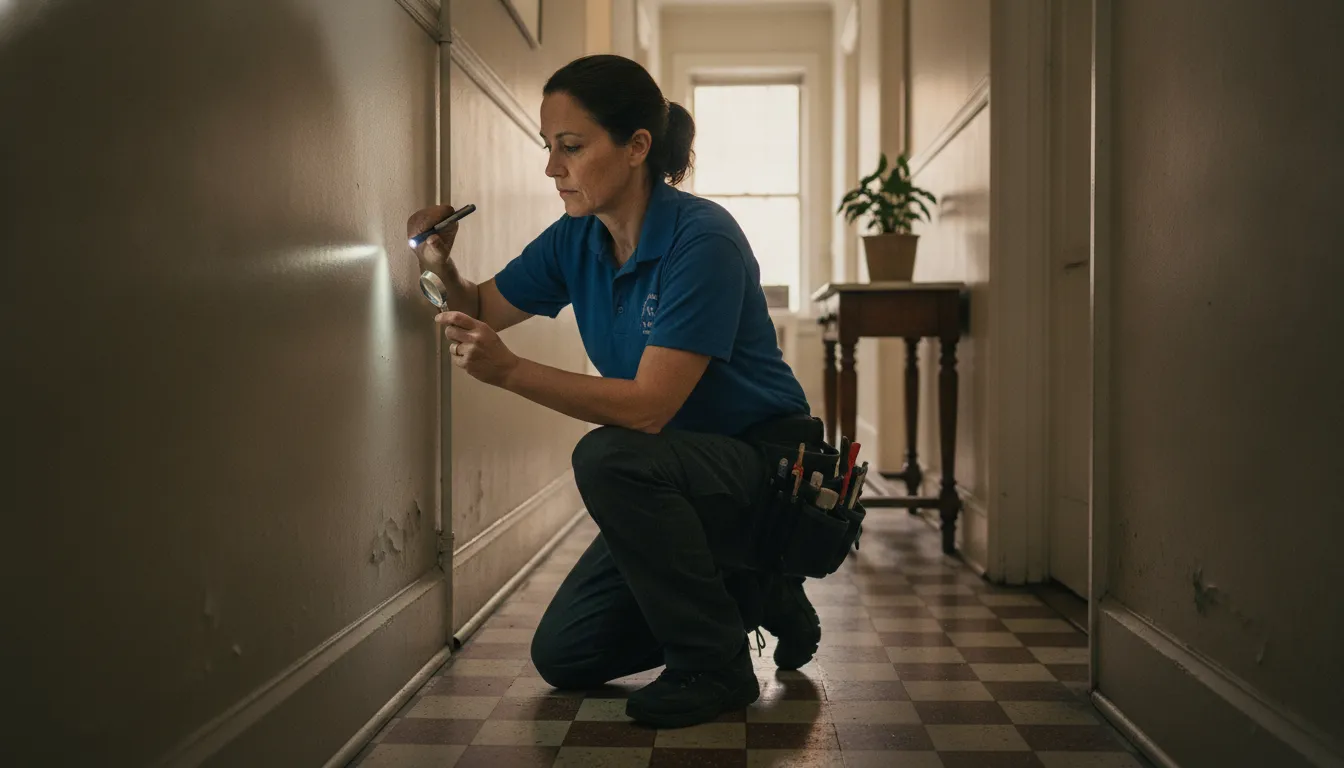
Most bed bugs stay near where people sleep. Start your check by looking at your bed sheets and mattress. Look for small reddish-brown stains, which are often a sign of bed bug activity. You should also check the seams of your mattress and any furniture cracks for the bugs themselves. A professional bed bug inspection can help find these pests in hidden spots that are easy to miss during a DIY check.
Do not forget to look behind your headboard and inside your nightstand drawers. Bed bugs are small and flat, so they can fit into very thin gaps. They often hide in dark places during the day and come out at night to feed. While they do not spread diseases, their presence can cause itchiness and loss of sleep for many people.
Signs of travel between units
In big buildings, bed bugs move between apartments using common walls and shared pipes. You might see signs of them near electrical outlets or along the baseboards. This happens because bed bugs travel between apartments through small cracks and voids in the building structure. If you find bugs near a shared wall but not on your bed, they may be coming from a neighbor.
Check the areas around your plumbing fixtures and heating vents. These spots often serve as paths for pests to crawl from one home to the next. A musty smell in these areas can also be a warning sign of a larger colony nearby. If you think the bugs are moving through the walls, you should notify your building manager in writing right away.
Building wide warning signs
Shared areas like laundry rooms or hallways can also show signs of a building-wide issue. Bed bugs are great at hitchhiking on clothing and laundry baskets to get around. If you see bugs in common areas, there is a high risk they will find their way into your home. Using a professional bed bug treatment and prevention plan can help keep your unit safe from these invaders.
Pay close attention to any discarded furniture in the hallway or near the trash. People often throw out beds or chairs when they find an infestation, but these items can still hold live bugs. If you notice neighbors moving out suddenly or many units being treated at once, your building may have a widespread problem. Acting fast is the best way to protect your living space.
What to do immediately if you suspect bed bugs
Finding bed bugs in your home can feel very scary. You might want to act fast to stop the pests from moving to new spots. In a big city like New York, these tiny bugs can spread through walls and pipes. This makes it easy for them to go from one flat to another. You must take the right steps now to keep your home and your neighbors safe. If you wait too long, the pest problem could get much worse for everyone in your building. Taking quick action is the best way to handle the stress and find a real fix.
Talk to your building manager
The first thing you should do is tell your landlord or the person who runs your building. In New York City, local laws say that landlords must keep all housing free of pests. You should send a note in writing as soon as you see a bug or a bite. This helps the manager start a plan to fix the issue fast. Many people feel bad about having pests, but it is not about how clean your home is. The CDC notes that bed bugs can live in any home no matter how much you scrub.
When one unit has bugs, the rooms next to it are often at risk too. This is because bugs can crawl through small holes in the walls. Experts suggest checking all units above, below, and on both sides of an infested home. This full check is the only way to stop the bugs from moving through the whole building. If you do not tell your manager, the pests might travel into the hallway or to other floors. This can lead to a much bigger and more costly fix for the entire property.
Contain your items to stop the spread
You can help stop the bugs from moving on your clothes, towels, or gym bags. Bed bugs are great at hitchhiking on fabrics and bags. Start by picking up any clutter on your floor to reduce the spots where they can hide. Put your clothes and bed linens in thick plastic bags and seal them with tape. This keeps the bugs from escaping and finding new places to hide while you wait for a pro to arrive. It also protects your clean items from getting infested.
When you do your laundry, you must use high heat. Both the wash and the dry cycles should be hot enough to kill the bugs and their eggs. Do not drag loose or open bags of laundry through the halls. Doing so can drop bugs in common areas like the stairs or the elevator. Always use a sealed bag to move your things to the laundry room. A professional bed bug inspection can help you find out which items in your home need this special care. Knowing which areas are safe will save you a lot of time and work.
Six steps to take now
Follow these steps to manage the problem and help your pest expert. These actions focus on holding the pests in place and preparing your home for a full treatment. Doing this work now will make the professional job much more effective in the long run.
- Check for clear signs of bugs like small red spots or dark stains on your bed sheets. Use a bright light to look in the seams of your bed, chairs, and couches.
- Write a letter or email to your landlord or the building team right away. Tell them when and where you saw the bugs and keep a copy of the note for your own records.
- Place all bed sheets, towels, and dirty clothes in thick plastic bags. Tape the tops of the bags shut to make sure no bugs can crawl out and spread to other rooms in your home.
- Wash your linens in hot water and dry them on the high heat setting for at least thirty minutes. High heat is one of the best ways to kill these pests at all life stages.
- Use a vacuum with a hose to clean any cracks you find in the walls, floor, or baseboards. When you are done, empty the vacuum into a bag, seal it, and take it to the trash outside.
- Avoid using bug sprays from the store, as these can cause the bugs to hide deeper in the walls. This often causes a case where bed bugs travel between apartments to escape the chemicals.
Why coordinated inspections matter in multi-unit buildings
In a large building, a bed bug problem is rarely stuck in one room. These pests are very small and can fit through tiny gaps. People often ask, can bed bugs travel between apartments? The answer is yes. They move through wall voids, power outlets, and plumbing pipes. If one unit has bugs, the units next to it, above it, and below it are at high risk.
When a landlord only checks one apartment, they might miss the source of the problem. If bugs are in the walls, they will just come back after a few weeks. This is why the EPA suggests checking all nearby units to find every hidden colony. Checking all nearby spaces helps to stop the spread before it grows into a building-wide issue.
Common ways bed bugs spread
Bed bugs do not need to walk through the front door to find a new home. In dense housing, they use the building’s own structure to find food. Most people do not know how easy it is for these bugs to move. They follow paths that are hidden from view. Here are the most common ways they travel:
- Through shared walls and gaps in baseboards.
- Along water pipes and heating vents.
- Inside shared laundry rooms or on clothing.
- Through holes for power wires or light fixtures.
Legal duties for NYC owners
In New York City, building owners have a legal duty to keep buildings safe. This includes managing pests like bed bugs. Laws like Local Law 69 and Local Law 55 set the rules for safety. Landlords must act fast when a tenant reports a sighting. A failure to check nearby units can lead to legal issues or fines.
Owners should look at the building as a single system. If they treat one unit but ignore the one next door, the insects will likely stay active. This cycle of “whack-a-mole” is costly and tough for everyone. A professional bed bug inspection can find these travel routes early. This protects the health of the tenants and the value of the building.
Why DIY attempts often fail
Many tenants or owners try to use bug sprays from the store. While this seems easy, it often makes the problem worse. DIY chemicals can irritate the bugs without killing them. This causes the insects to scatter and hide deeper in the walls. When they run away from the spray, they often end up in a neighbor’s home.
Joint work ensures that the whole building is safe. When a pro checks the whole line of units, they can set up a wall of protection. They use tools that find bugs where humans cannot see them. This full check is the best way to ensure that bed bugs travel between apartments less often. By working together, neighbors and owners can stop the infestation for good.
How to lower the chance of spread between apartments
Many people who live in big buildings ask a common question: can bed bugs travel between apartments? The simple answer is yes. These pests are small and flat. They can crawl through tiny gaps in walls or floors. They often use pipes and wires to move from one unit to the next. But you can take quick steps to stop them from getting into your home. Staying alert is the best way to keep your space safe.
Seal gaps and cracks
Bed bugs move through wall voids and common spaces. To stop them, you must check your baseboards and pipes. Use caulk to seal any open spots in your kitchen and bathroom. This blocks the paths bugs use to get inside. It is also wise to check outlets and light switches. A tight seal makes it harder for bugs to crawl through common walls. The EPA says that keeping a unit in good repair helps keep pests out. Small fixes now can save you a lot of stress later.
Clear out the mess
Pests love to hide in clutter. Having too many items near your bed or sofa gives bugs a place to stay. Clear out old papers, clothes, and boxes. If you have fewer items on the floor, it is easier to see signs of a problem. You can spot stains or bugs faster. Keeping your home clean does not stop bugs from coming in, but it makes them easier to find. Use plastic bins to store things you do not use every day. This keeps those items safe from bugs.
Watch shared items
Bugs are great at hitchhiking. They can hide on clothes, bags, or old chairs. Never pick up used items from the street. If you use a shared laundry room, keep your clothes in sealed plastic bags. Wash and dry your items on high heat. This heat kills any bugs that might be hiding. Check your bags for bugs after you travel or visit a friend’s home. It only takes one bug to start a new group in your unit. Be careful when you bring used books or clothes into your home.
Talk to your manager
If you see a bug, tell your building manager right away. In New York City, landlords must help fix these problems. Do not try to use bug sprays from a store. These sprays often fail to kill the whole group. They can even make the bugs scatter to other rooms or units. An expert bed bug inspection is the best way to find every bug. Getting help early stops a small problem from growing into a big one. Working with your neighbors can help keep the whole building clear of pests.
When should you arrange a professional inspection?
Arrange an inspection as soon as you find a live bug, shed skin, dark spotting, or repeated signs near a bed or sofa. An inspection is also a smart next step when a nearby unit has a confirmed problem. Waiting for bites is risky because skin reactions vary, and bites alone cannot confirm that bed bugs are present.
What an inspection can clarify
A trained inspector can check the small seams, gaps, and furniture joints where bed bugs hide. In an apartment building, the inspection can also help determine whether nearby units should be checked. That wider view matters when bugs may have moved through a shared wall or on items carried through a hallway.
Tenants should report suspected activity promptly to the landlord or property manager. Building staff can then coordinate access and avoid isolated treatment that misses connected units. This is practical guidance, not legal advice. For practical preparation guidance, read our guide to what causes bed bugs in NYC apartments. For current legal obligations, tenants and owners should consult official NYC housing guidance.
Get a clear answer before the problem grows
Ace Bedbug Exterminating provides professional bed bug inspection in NYC for residents and property teams. A prompt inspection gives everyone a clearer plan and helps limit unnecessary movement of belongings between rooms or units.
Frequently Asked Questions
How long can bed bugs live in an empty apartment?
As the CDC says, bed bugs are very tough. They can live for many months without any food. This means that leaving your home empty for a few weeks will not kill them. They will just wait in the cracks of the walls or floors for a new host to come. You need expert help to clear them out. Moving out and leaving the unit empty is not a way to fix the pest issue.
Does my landlord have to pay for bed bug treatment in NYC?
In New York City, your landlord must keep your home free of pests. Under local laws, owners must fix bed bug issues once a tenant tells them. You should write to your building team as soon as you see signs of a problem. According to the EPA, housing managers have a big duty to keep pests out through regular checks. Do not wait to report signs of bugs in your unit.
Will bed bugs go away if I move to a new apartment?
No, moving will not fix your bed bug problem on its own. According to Ace Bed Bug Exterminating, these insects are skilled hitchhikers that hide in clothes and bags. If you move, you will likely bring the pests with you to your new home. It is much better to fix the problem where you are before you leave. If you must move, you should get an expert check first to make sure your items are clear and safe. Moving will not stop the bugs on its own.
How many times do I need to treat my apartment for bed bugs?
One visit is rarely enough to kill every bug and egg. According to Ace Bed Bug Exterminating, you need a multi-phase plan to clear a home. This is because bugs can hide deep in the walls and eggs may hatch after the first visit. You should work with an expert who uses a mix of tools to reach every pest. A full plan helps ensure that the bugs do not return to your unit or move to your neighbors.
Schedule an NYC bed bug inspection
If you have found a suspicious bug or signs near a bed or sofa, act before belongings move between rooms or apartments. Ace Bedbug Exterminating can inspect the affected area and help determine the next practical step for residents, landlords, and property managers.
One Response