
Finding a bed bug can make a quick household remedy seem appealing, especially when the insects are visible on a mattress or nearby furniture. Schedule your inspection today if you are seeing bugs or recurring bites, rather than relying on repeated spraying.
So, does rubbing alcohol kill bed bugs? It can kill some nymphs when sprayed directly, but it has limited effect on adult bugs. Does not reliably kill eggs, and cannot reach insects hidden in seams, joints, and cracks. Rutgers lists rubbing alcohol among methods that do not work for controlling an infestation. While Ohio State research warns that the high application volumes needed are not practical or safe at home.
That distinction matters: killing one exposed insect is not the same as eliminating an established population. Ace Bedbug Exterminating uses a science-based, personalized approach to address the entire infestation, beginning with what alcohol can and cannot do on contact.
Does Rubbing Alcohol Kill Bed Bugs on Contact?
Rubbing alcohol can kill some bed bugs when it directly wets the insect, but that limited effect does not make it a reliable infestation treatment. Research found that topical alcohol killed fewer than 15% of adult bed bugs, while even the stronger results against nymphs left many alive. Eggs were more resistant still.
The short answer is yes, but only under narrow conditions. A spray containing 70% to 91% isopropyl alcohol may damage or desiccate a bed bug that it hits directly. It cannot kill insects that remain inside a mattress seam, behind a baseboard, or within a furniture joint. It also does not provide meaningful residual control after it evaporates.
What research shows about adults, nymphs, and eggs
In an Ohio State University study, topical application affected fewer than 15% of adult bed bugs, and none of those adults were dead after 24 hours. Nymphs were more vulnerable when sprayed directly, with mortality reaching about 50% under the study conditions. That is still not dependable control, because the surviving insects can continue feeding and reproducing.
Eggs present an even more important limitation. At the highest alcohol rates tested, at least 63% of eggs hatched within three weeks. In practical terms, spraying visible bugs can leave a new generation behind. The study also cautioned that its high application volumes may not be practical or safe for home use. Read the Ohio State research on alcohol and bed bug mortality.
Why online advice can sound more effective than it is
Popular advice on Reddit, The Spruce, and similar pages often focuses on a single visible bug dying after being sprayed. That observation may be accurate, but it does not measure the full infestation. Bed bugs hide in narrow cracks, move between rooms, and leave eggs in places a surface spray cannot reach. A visible on-contact result is therefore easy to mistake for eradication.
Rutgers Cooperative Extension places rubbing alcohol in its list of methods that do not work for controlling bed bug infestations. That conclusion aligns with the academic findings: direct contact may kill an exposed insect, but it does not address hidden adults, nymphs, or eggs. For a broader, evidence-based overview, see Ace Bedbug Exterminating’s ultimate guide to bed bug control.
Ace Bedbug Exterminating recommends treating this result as a scientific limitation, not a reason to spray more. The Ohio State study notes that the volumes required for meaningful mortality may be unsafe or impractical in a home. Identifying every life stage and selecting a treatment that reaches the infestation is more useful than repeatedly targeting only the bugs you can see. Review Rutgers guidance on what does not work.
Is DIY Bed Bug Spraying with Alcohol Safe and Effective?
Rubbing alcohol is a poor and potentially hazardous bed bug treatment because it evaporates quickly, misses hidden insects, and is highly flammable. It is not an EPA-registered pesticide for bed bugs. In a tight NYC apartment, spraying large amounts near heat sources, electrical equipment, or gas appliances can create an unnecessary fire risk without resolving the infestation.
The EPA warns that unregistered control methods can be dangerous and ineffective, and misuse can create risks worse than the pest problem itself. Rubbing alcohol belongs in that category when it is applied as a DIY pesticide. Its flammability matters even more in apartments where rooms are compact and ventilation may be limited. A spill or heavy application near a pilot light, burner, spark, or other ignition source can turn an attempted quick fix into a serious emergency.
Alcohol also creates a practical problem: it works only where the spray directly reaches the insect. Bed bugs commonly hide in mattress seams, cracks around baseboards, screw holes, upholstery folds, and furniture joints. Because alcohol can evaporate in seconds, it does not provide lasting protection in those locations. Spraying a visible bug may remove that individual while leaving the rest of the infestation undisturbed.
Why contact killing is not enough
Research from The Ohio State University found that direct alcohol application had minimal effect on adult bed bugs, while higher rates could affect some nymphs. The study also found limited efficacy against eggs and noted that the high application volumes were not practical or safe for home use. That distinction is important: partial contact effectiveness is not the same as controlling an infestation.
Rubbing alcohol is also not a reliable way to address common ways bed bugs enter homes or spread between rooms. Ace Bedbug Exterminating uses inspection-led, science-based treatment rather than relying on a flammable spray that cannot reach every hiding place. If alcohol has already been applied, keep it away from ignition sources, ventilate the area safely, and consider reviewing professional bed bug inspection services as the next step.
For a broader, evidence-based overview of treatment options, review the ultimate guide to bed bug control from Ace Bedbug Exterminating.
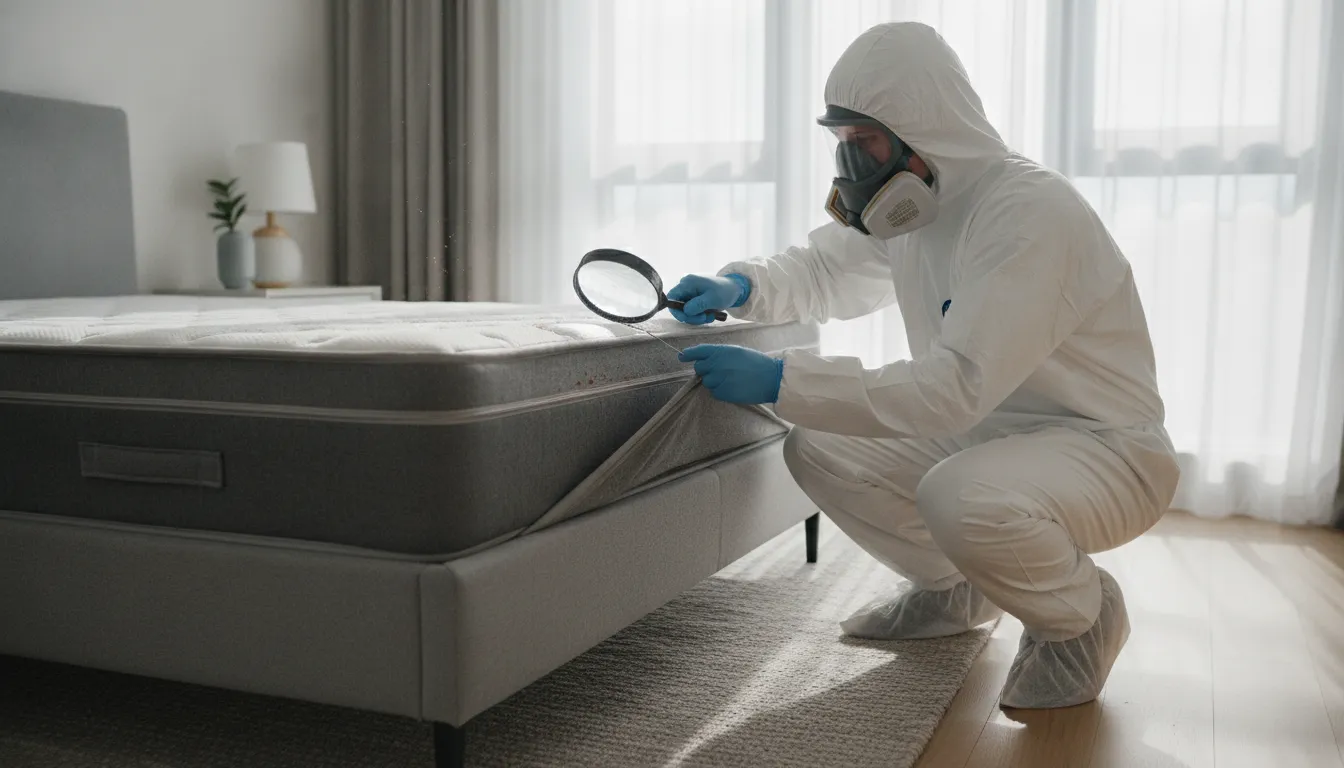
What Professional Bed Bug Treatments Actually Work
Effective bed bug control is built around reaching hidden insects, addressing every life stage, and preventing the infestation from returning. Professional treatment may use Aprehend, targeted heat, steam, or a combination of methods. The right choice depends on inspection findings, the structure, and how widely the bugs have spread.
Aprehend is a biological treatment that leaves a transferable residue where bed bugs travel. It can provide up to 90 days of residual protection, giving exposed bugs repeated opportunities to contact the product. This approach is different from a quick contact spray because it is designed to work as bed bugs move through treated areas. Learn more about biological bed bug control with Aprehend and how it fits a treatment plan.
Heat treatment uses controlled, professional equipment to raise affected areas to a target temperature of about 122 degrees Fahrenheit. When the required temperature is reached and maintained throughout the treatment zone, heat can kill bed bugs across all life stages, including eggs. Technicians must measure temperatures in multiple locations because warming the room air alone does not confirm that hidden spaces have reached the necessary level. Read about professional bed bug heat treatment before choosing this option.
Why an Integrated Pest Management approach matters
Integrated Pest Management, or IPM, combines inspection, targeted treatment, monitoring, and prevention rather than relying on one product. Inspection identifies activity, harborages, and life stages. Treatment then focuses products or heat where they are needed. Monitoring helps confirm whether activity has stopped and whether follow-up action is necessary.
That process is the foundation of Ace Bedbug Exterminating’s three-phase model:
- Inspection: A technician evaluates rooms, furniture, seams, cracks, and other likely hiding areas.
- Treatment application: The plan may use Aprehend, heat, steam, or a carefully selected combination based on site conditions.
- Monitoring: Follow-up checks and prevention guidance help verify progress and reduce the chance of reinfestation.
By contrast, rubbing alcohol may affect a bed bug only when it is sprayed directly. It does not reliably reach eggs or insects deep inside seams, joints, walls, and clutter. Research found that topical alcohol killed fewer than 15% of adult bed bugs in one study. While the high volumes used were not practical or safe for home application. A complete plan addresses the infestation, not just the bugs a person can see. Discover more about professional bed bug removal services offered by Ace Bedbug Exterminating.
Rubbing alcohol vs. professional treatment: a comparison
| Factor | Rubbing alcohol (DIY) | Professional treatment |
|---|---|---|
| Kills adult bed bugs | Under 15% mortality (OSU study) | Targeted methods reach all life stages |
| Kills eggs | 63%+ still hatch after spraying | Heat and biopesticides kill eggs |
| Residual protection | None (evaporates in seconds) | Up to 90 days with Aprehend |
| Fire hazard | High (flammable liquid indoors) | None (EPA-approved products) |
| Reaches hidden bugs | No (only direct spray contact) | Yes (cracks, seams, furniture joints) |
When Should You Stop DIY and Call a Professional Exterminator in NYC?
Recurring bites, bed bugs appearing in more than one room, or continued activity after repeated home treatments are clear signs that DIY control has not solved the infestation. When hiding spots remain unknown, a professional inspection can identify the problem and guide targeted treatment before it becomes more difficult and expensive to manage.
One of the first warning signs is that bites continue even after you have sprayed, cleaned, vacuumed, or treated bedding. Bites alone cannot confirm an infestation, but ongoing signs deserve a careful inspection rather than another round of guesswork. Bed bugs can hide in mattress seams, bed frames, baseboards, furniture joints, and wall gaps. So treating only the places you can see may leave the main population untouched. Learn more about what bed bug bites look like to help with identification.
Watch for activity beyond the bedroom
Finding live bugs, shed skins, or spotting in multiple rooms is another important decision point. Movement into living rooms, guest rooms, offices, or neighboring units can indicate that the problem is not limited to one sleeping area. It also makes random spraying less useful because the treatment plan needs to account for the full pattern of activity.
Do not wait for the infestation to become overwhelming before requesting help. Ace Bedbug Exterminating can inspect the property, locate likely harborages, and explain which treatment approach fits the situation. A documented inspection is especially valuable in apartments, where nearby units and shared structures can affect reinfestation risk. Check out the average cost of bed bug treatment in NYC to understand pricing.
Why early intervention is often more cost-effective
Repeatedly buying sprays, discarding furniture, washing belongings, and treating one room at a time can cost more than addressing the problem systematically. Delayed intervention may also allow bed bugs to spread into additional rooms, increasing the labor, preparation, and follow-up involved. Professional help is not about reacting with alarm. It is about replacing uncertain steps with a clear inspection and treatment plan.
Ace Bedbug Exterminating offers same-day emergency service across all five NYC boroughs for residents who need prompt guidance. You can learn more about how Aprehend bed bug treatment works and review the broader ultimate guide to bed bug control before scheduling. If you are still seeing activity after trying rubbing alcohol or another home remedy, contacting a qualified technician early can help limit unnecessary expense and disruption.
Frequently Asked Questions
Does rubbing alcohol kill bed bugs on contact?
It can kill some bed bugs when sprayed directly, but the effect is limited and does not control an infestation. An Ohio State University study found topical alcohol killed fewer than 15% of adult bed bugs, while at least 63% of treated eggs still hatched within three weeks. Source: Ohio State University research.
Is it safe to spray rubbing alcohol on furniture for bed bugs?
No. Rubbing alcohol is highly flammable, and spraying it indoors can create a serious fire hazard, especially near heaters, pilot lights, outlets, or other ignition sources. The EPA advises against unsafe, unregistered methods for bed bug control. Do not apply alcohol to mattresses, upholstered furniture, or other household surfaces.
Why does rubbing alcohol fail to eliminate bed bugs?
Alcohol only affects bugs it directly contacts, evaporates quickly, and cannot reliably reach insects hidden in mattress seams, bed frames, baseboards, or furniture joints. It also does not provide lasting protection against newly hatched bugs. That is why Ace Bedbug Exterminating evaluates the full infestation rather than relying on a spot spray.
What should I use instead of rubbing alcohol for bed bugs?
Use an integrated treatment plan based on inspection, targeted treatment, and follow-up monitoring. Avoid combining household chemicals or repeatedly spraying hiding places. Ace Bedbug Exterminating can identify the infestation’s extent and recommend an appropriate science-based approach, such as professional heat treatment or a specialized residual treatment.
Schedule a Professional Bed Bug Inspection
If rubbing alcohol has not solved the problem, a careful inspection can help clarify where bed bugs are active and which treatment approach fits your home. Ace Bedbug Exterminating can review your situation and explain the next steps without relying on unsafe DIY spraying. Schedule your inspection today with Ace Bedbug Exterminating.
One Response