
“Finding a live bed bug shortly after an expert service does not mean the work failed. It is often a sign that the cleanup is working as it should. This stage takes some waiting. Ace serves \u003ca href=\”https://acebedbugexterminating.com/manhattan-ny/\”\u003eManhattan\u003c/a\u003e, \u003ca href=\”https://acebedbugexterminating.com/brooklyn-ny/\”\u003eBrooklyn\u003c/a\u003e, \u003ca href=\”https://acebedbugexterminating.com/queens-ny/\”\u003eQueens\u003c/a\u003e, the \u003ca href=\”https://acebedbugexterminating.com/bronx-ny/\”\u003eBronx\u003c/a\u003e, and \u003ca href=\”https://acebedbugexterminating.com/staten-island-ny/\”\u003eStaten Island\u003c/a\u003e with professional \u003ca href=\”https://acebedbugexterminating.com/bed-bug-removal/\”\u003ebed bug removal services\u003c/a\u003e.\n\u003cdiv class=\”answer-capsule\”\u003e\n\nWhat to expect after bed bug treatment depends on how the work was done. Seeing some bugs for a few days is normal as pests are flushed out of hiding. As the \u003ca href=\”https://www.cdc.gov/bed-bugs/about/index.html\” target=\”_blank\” rel=\”nofollow noopener\”\u003eCDC\u003c/a\u003e says, bed bugs may move more for a short time as they hit the product left by the expert. You should see a drop in signs of life within the first week. Most expert spray plans need one more visit about two weeks later to make sure the job is done. If you still see live bugs after 14 days, the first visit might have missed a spot. Success needs expert help and your own work in cleaning and watching. Full removal can take up to three weeks.\n\n\u003cstrong\u003e\u003ca href=\”https://acebedbugexterminating.com/contact-us/\”\u003eContact Ace for post-treatment bed bug guidance\u003c/a\u003e\u003c/strong\u003e\n\n\u003c/div\u003e\nKnowing the key steps of a good service helps lower the stress of getting your home back. It shows you exactly what to look for. We have laid out What to expect after bed bug treatment: a practical timeline. This journey starts with\n\u003ch2\u003eWhat to expect after bed bug treatment: a practical timeline\u003c/h2\u003e\nGetting your home back from pests takes time. A \u003ca href=\”https://acebedbugexterminating.com/bed-bug-treatment-preparation-checklist-nyc/\”\u003eprofessional bed bug treatment\u003c/a\u003e is the best way to stop the bites, but the work does not end when the expert leaves. You need to know what to look for and when to expect full results.\n\u003ch3\u003eImmediate steps to take\u003c/h3\u003e\nThe first few hours after service are about safety. Your expert will tell you when it is safe to come back inside. Most sprays need a few hours to dry. For heat work, you must wait for the air to cool down. You may see dead bugs in open spots, which shows the product is working. This is a good sign that the first phase is a success.\n\nIt is normal to see some \u003ca href=\”https://www.cdc.gov/bed-bugs/about/index.html\” target=\”_blank\” rel=\”nofollow noopener\”\u003ebed bug activity\u003c/a\u003e for a few days after service. The product flushes them out of hiding and forces them to move. As they travel through the spray, they will die. Do not do heavy cleaning near baseboards during this time. You do not want to wash away the product that is still working to kill bugs.\n\u003ch3\u003eThe first two weeks\u003c/h3\u003e\nDuring the first week, you may still see a few bugs. These are often ones that were well hidden or just hatched from eggs. Do not panic if you spot one. Use a vacuum to pick them up and throw the bag away in a bin outside. If you still see live adult bugs after 14 days, the service may need more work to be fully done.\n\nMost spray plans need a \u003ca href=\”https://www.canr.msu.edu/news/what_to_expect_after_bed_bug_treatment\” target=\”_blank\” rel=\”nofollow noopener\”\u003efollow-up treatment\u003c/a\u003e about two weeks later. This second visit kills any bugs that hatched after the first spray. Staying on track is the key to clear a whole infestation for good. Keep your rooms clear and check your bed sheets for any new signs of spots or bites.\n\u003ctable\u003e\n\u003cthead\u003e\n\u003ctr\u003e\n\u003cth scope=\”col\”\u003eTime Frame\u003c/th\u003e\n\u003cth scope=\”col\”\u003eWhat You Will See\u003c/th\u003e\n\u003cth scope=\”col\”\u003eAction Needed\u003c/th\u003e\n\u003c/tr\u003e\n\u003c/thead\u003e\n\u003ctbody\u003e\n\u003ctr\u003e\n\u003ctd\u003eFirst 24 Hours\u003c/td\u003e\n\u003ctd\u003eDead bugs in the open and some odors\u003c/td\u003e\n\u003ctd\u003eFollow re-entry times and let air in\u003c/td\u003e\n\u003c/tr\u003e\n\u003ctr\u003e\n\u003ctd\u003eDays 2 to 7\u003c/td\u003e\n\u003ctd\u003eSlow bugs being flushed out of cracks\u003c/td\u003e\n\u003ctd\u003eDo not clean near baseboards or walls\u003c/td\u003e\n\u003c/tr\u003e\n\u003ctr\u003e\n\u003ctd\u003eDays 8 to 14\u003c/td\u003e\n\u003ctd\u003eVery few to zero live bugs found\u003c/td\u003e\n\u003ctd\u003eCheck sheets and plan for a second visit\u003c/td\u003e\n\u003c/tr\u003e\n\u003ctr\u003e\n\u003ctd\u003eWeek 3 Plus\u003c/td\u003e\n\u003ctd\u003eNo new bites or live bug sightings\u003c/td\u003e\n\u003ctd\u003eFinal check and start a monitoring plan\u003c/td\u003e\n\u003c/tr\u003e\n\u003c/tbody\u003e\n\u003c/table\u003e\n\u003ch3\u003eHow to know it is over\u003c/h3\u003e\nYou can breathe easy once you reach three weeks without a single sign of life. This means no new bites, no live bugs, and no fresh blood spots on your bed. If you need more help, check our \u003ca href=\”https://acebedbugexterminating.com/new-york-bed-bug-guide/\”\u003eNYC bed bug removal guide\u003c/a\u003e for more tips. Staying alert for 30 to 60 days after the last spray is the best way to make sure the pests are gone for good.\n\u003ch2\u003eIs bed bug activity normal after treatment?\u003c/h2\u003e\nSeeing live pests in your home after a visit from a pro can be scary. But finding a few bugs in the first few days does not mean the work failed. It is often a sign that the plan is working. When a team uses \u003ca href=\”https://acebedbugexterminating.com/about-us/\”\u003eprofessional bed bug treatment\u003c/a\u003e, they often use tools that flush the bugs out of their hiding spots. As the bugs move, they come into contact with the items used to kill them. This makes them easier to see in the open.\n\u003ch3\u003eFlushing out the bugs\u003c/h3\u003e\nMany people ask, \u003ca href=\”https://www.cdc.gov/bed-bugs/about/index.html\” target=\”_blank\” rel=\”nofollow noopener\”\u003ewill you see more bed bugs after treatment\u003c/a\u003e? It is normal to see activity for a few days as the bugs leave their cracks and gaps. They may seem more active because they are looking for a new spot to hide. During this time, you might see them on the floor or near baseboards. This is part of \u003cstrong\u003ewhat to expect after bed bug treatment\u003c/strong\u003e as they hit the spray or dust left by the tech.\n\nYou may also find dead bugs or shed skins around your home. These are good signs. They show that the pests are dying off. You should clean these up using a vacuum with a bag that you can seal and toss. This helps you track new activity later on. If you see old skins, it does not mean the bugs are still there. It is just a clear trace of where they used to hide.\n\u003ch3\u003eWhen to call for help\u003c/h3\u003e\nWhile some activity is okay early on, it should slow down over time. Most pros say that a \u003ca href=\”https://www.canr.msu.edu/news/what_to_expect_after_bed_bug_treatment\” target=\”_blank\” rel=\”nofollow noopener\”\u003echemical treatment program\u003c/a\u003e often needs a second visit about two weeks later. This is to catch any new bugs that hatch from eggs. Eggs are very tough and some sprays do not kill them. The second pass is key to ending the life cycle of the pest in your NYC home.\n\nIf you still see live bugs that are fast and active 14 days after the first visit, let your tech know. At that point, the count should be much lower. Seeing many large bugs after two weeks may mean they found a spot the spray did not reach. A specialist will need to check those spots to make sure the job is done right.\n\u003ch3\u003eSkin signs and bites\u003c/h3\u003e\nFinding a new mark on your skin can be upsetting. But a new bite does not always mean a live bug is still there. Some people have skin reactions that show up days after a bite occurs. These can be red, itchy, or swollen. Since these pests are not known to spread germs, the main risk is the itch and the loss of sleep they cause. Focus on tracking live bugs rather than just skin marks.\n\u003cfigure\u003e\u003cimg src=\”https://zleague-public-prod.s3.us-east-2.amazonaws.com/article_images/9b1c0b26-3319-4584-852f-12817f99c3e2/inline-checklist-333542.webp\” alt=\”Homeowner checking a mattress after bed bug treatment\” /\u003e\u003cfigcaption\u003eCareful checks help you track progress without disturbing treated areas.\u003c/figcaption\u003e\u003c/figure\u003e\n\u003ch2\u003eYour post-treatment bed bug checklist\u003c/h2\u003e\nGetting \u003ca href=\”https://acebedbugexterminating.com/aprehend-bed-bug-treatment/\”\u003eprofessional bed bug treatment\u003c/a\u003e is a big first step. But your work does not end when the expert leaves. You must take some steps to make sure the spray stays useful. Knowing \u003ca href=\”https://www.canr.msu.edu/news/what_to_expect_after_bed_bug_treatment\” target=\”_blank\” rel=\”nofollow noopener\”\u003ewhat to expect after bed bug treatment\u003c/a\u003e helps you stay calm and safe. Your effort in the days after the visit is what makes the plan work.\n\u003ch3\u003eWait for the right time to go back in\u003c/h3\u003e\nSafety is the main goal after an expert visits. Do not go back into rooms that were sprayed right away. Most teams say to wait until all fluids are dry. This often takes four to six hours. Ask your team for their exact rules before you go back inside. Some people may need more time if they have lung issues or pets.\n\nWhen you do re-enter, you may notice a light smell. This is normal for many sprays. You can open a window to let fresh air in if the expert says it is okay. Do not stay in the room if you feel dizzy or have a cough. Always put your health and safety first during this time.\n\u003ch3\u003eLeave the sprayed spots alone\u003c/h3\u003e\nYou may want to scrub your floors and walls right away. But cleaning too soon can hurt your success. Many sprays have a slow effect that lasts for many days. If you wash these spots, you might remove the product that kills the bugs. Do not do deep cleaning in those rooms for at least one week.\n\nKeep your items in the same place for now. Moving things around can spread bugs that are still alive. If you must move a rug or a chair, check it for bugs first. It is best to let the room sit as it is so the bugs have more chances to touch the spray.\n\u003col\u003e\n \t\u003cli\u003e\u003cstrong\u003eWait for entry:\u003c/strong\u003e Follow the rules for \u003ca href=\”https://www.cdc.gov/bed-bugs/about/index.html\” target=\”_blank\” rel=\”nofollow noopener\”\u003esafe entry\u003c/a\u003e from your expert. This lets the spray dry and the air clear.\u003c/li\u003e\n \t\u003cli\u003e\u003cstrong\u003eSkip the mop:\u003c/strong\u003e Do not scrub or wash the baseboards for seven to ten days. This keeps the product on the floor where bugs crawl.\u003c/li\u003e\n \t\u003cli\u003e\u003cstrong\u003eLook for live bugs:\u003c/strong\u003e It is normal to see some bugs for a few days. The spray flushes them out of hiding spots so they hit the product.\u003c/li\u003e\n \t\u003cli\u003e\u003cstrong\u003eWrite down what you see:\u003c/strong\u003e Track when and where you spot any bugs. This helps your team know if the first round did its job.\u003c/li\u003e\n \t\u003cli\u003e\u003cstrong\u003eWash your linens:\u003c/strong\u003e Use hot water for all your clothes and bedding. Dry them on high heat for 30 minutes to kill any eggs that are left.\u003c/li\u003e\n \t\u003cli\u003e\u003cstrong\u003eCover your bed:\u003c/strong\u003e Use a mattress cover made for bed bugs. This helps you find new bugs fast and keeps them out of your bed.\u003c/li\u003e\n\u003c/ol\u003e\n\u003ch3\u003eKeep an eye out for new signs\u003c/h3\u003e\nYou might see a few live bugs for a few days. This is normal and shows the product is working. The spray makes them move out of deep cracks. If you still see many bugs after two weeks, the work may not be done. Most spray plans need a second visit after 14 days to be sure.\n\nCheck your mattress and couch every few days. Look for small red spots or black dots. These are signs that bugs are still in the area. Keeping a clear record of these signs will help your expert during the next visit. This careful watch is a key part of your list.\n\n\u003cstrong\u003e\u003ca href=\”https://acebedbugexterminating.com/contact-us/\”\u003eGet professional help if post-treatment activity is not declining\u003c/a\u003e\u003c/strong\u003e\n\u003cfigure\u003e\u003cimg src=\”https://zleague-public-prod.s3.us-east-2.amazonaws.com/article_images/9b1c0b26-3319-4584-852f-12817f99c3e2/inline-monitoring-495848.webp\” alt=\”Technician monitoring a bedroom after bed bug treatment\” /\u003e\u003cfigcaption\u003eConsistent monitoring helps distinguish expected early activity from a warning sign.\u003c/figcaption\u003e\u003c/figure\u003e\n\u003ch2\u003eHow should you monitor after bed bug treatment?\u003c/h2\u003e\nWhen you finish a professional bed bug treatment, the work is not yet over. You must keep a close eye on your home to ensure the bugs are gone for good. This helps you know what to expect after bed bug treatment as the pests die off. Proper checks let you catch any surviving bugs before they can start a new colony. It is the best way to make sure your home stays safe and clear.\n\u003ch3\u003eWatch for active bugs\u003c/h3\u003e\nIt is normal to see some bugs moving for a few days following treatment. This happens because the bugs are flushed out of hiding and touch the product. You should check your bed and furniture for live bugs or small dark spots. A good rule of thumb is that you should not find new adult bugs or nymphs 7 to 14 days after the work ends. If you still see live bugs after two weeks, the \u003ca href=\”https://acebedbugexterminating.com/bed-bug-removal/\”\u003eprofessional bed bug treatment\u003c/a\u003e might have missed a spot or a hidden nest.\n\nKeep a simple log of where and when you see any bugs. Note if they are moving fast or seem slow and sick from the spray. This data helps your expert decide if you need a follow-up visit. Most chemical plans need at least one more visit two weeks after the first one to kill any new hatchlings. Following the process closely is the best way to get rid of these pests. By tracking their movement, you help the expert target the remaining bugs during the next visit.\n\u003ch3\u003eUse monitoring tools\u003c/h3\u003e\nVisual checks are good, but tools can help catch what you miss. Using a \u003ca href=\”https://www.cdc.gov/bed-bugs/about/index.html\” target=\”_blank\” rel=\”nofollow noopener\”\u003ebed bug mattress encasement\u003c/a\u003e is a great way to check for future action. These covers trap any bugs left inside and make new ones easy to see on the smooth surface. You can also place small traps under the legs of your bed. These traps catch bugs as they crawl up to find a meal, letting you see the level of action in each room.\n\nCheck these tools once a week for at least a month. Look for cast skins, small black spots, or live bugs in the traps. If the traps stay empty for 14 days, it is a sign that the treatment worked well. Do not stop checking too soon, as these bugs are experts at hiding in tiny cracks. They can even live for several months without a blood meal, so stay alert for a long time. Steady checks are the only way to be sure your home is truly free of pests.\n\u003ch3\u003eTrack bite reactions\u003c/h3\u003e\nMany people think that new bites mean the treatment failed. But skin reactions alone are not a sure way to measure success. Most people do not notice bite marks until one to several days after the bug bites them. Bed bugs also inject a fluid that keeps you from feeling the bite when it happens. This means a mark you see today could be from a bite that took place before the expert even arrived at your door.\n\nBites often look like red, itchy spots in a line or a group on your skin. But because everyone reacts in a different way, bites are not proof of a current bug. Some people have no reaction at all, while others have large marks. Focus on finding live bugs or fresh spots on your sheets instead. If you have a bad skin reaction, speak with a doctor right away. They can help with the itch while you focus on the bugs and the plan to get rid of them.\n\u003ch2\u003eWhy follow-up care depends on the treatment method\u003c/h2\u003e\nGetting rid of bed bugs often takes more than one visit. Knowing what to expect during a \u003ca href=\”https://acebedbugexterminating.com/bed-bug-removal/\”\u003eprofessional bed bug treatment\u003c/a\u003e helps you plan your work. Most pros will set up at least one follow-up visit to look for new signs of bugs. This step makes sure that any bugs that lived through the first round are gone.\n\u003ch3\u003eThe role of follow-up visits\u003c/h3\u003e\nA follow-up visit lets a pro check the deep hiding spots in your home. They look for live bugs, new eggs, or fresh spots on your bed. Based on facts from the \u003ca href=\”https://www.cdc.gov/bed-bugs/about/index.html\” target=\”_blank\” rel=\”nofollow noopener\”\u003eCDC\u003c/a\u003e, seeing some bugs for a few days after the first visit is normal.\n\nThis happens as the bugs move through the product left behind. The pros use these visits to see if the first round worked as it should. It also gives you peace of mind that your home is safe again.\n\nDuring this time, you can help by using tools like mattress covers. These covers make it easy to spot any bugs that are still around. If you still see live bugs after 14 days, the work may not be done yet.\n\nA second visit allows the pro to add more product where it is needed most. This way of working is the best way to stop a bug problem for good.\n\u003ch3\u003eHow treatment methods change the timeline\u003c/h3\u003e\nThe method used will change when the pro needs to come back. Standard chemical plans often need a second visit in about two weeks. This timing is key because it kills bugs that hatch from eggs after the first spray.\n\nSince sprays do not always kill eggs, the second round catches the new babies before they can grow and lay more eggs. This stops the life cycle of the bugs in your home.\n\nOther tools like \u003ca href=\”https://acebedbugexterminating.com/aprehend-bed-bug-treatment/\”\u003eAprehend bed bug treatment\u003c/a\u003e or heat have their own rules. Heat kills all life stages at once by making the air very hot. Even so, pros still check the home to be safe.\n\nAprehend is a tool that works for up to three months. Because it lasts so long, the next plan might look a bit different. Your pro will tell you when they need to come back based on the tool they pick.\n\u003ch3\u003eDealing with big infestations\u003c/h3\u003e\nLarge bug problems often need more care and more visits. If bugs have spread to many rooms, one visit is rarely enough to find them all. Pros may need to use a mix of tools to reach every small space and crack.\n\nThey might suggest extra checks to catch any bugs that got away during the first pass. This is part of a full plan to clear the home.\n\nNext, the rules for cleaning and prep will help the work go well. You should wash your clothes in hot water and dry them on high heat for 30 minutes. This helps kill any bugs hiding in your cloth.\n\nWhen you do your part, the pros can focus on the hard-to-reach spots. A team effort is the fastest way to get your home back to normal.\n\u003ch2\u003eWhen should you contact your bed bug technician?\u003c/h2\u003e\nKnowing \u003cstrong\u003ewhat to expect after bed bug treatment\u003c/strong\u003e can help you stay calm during the process. It is normal to see a few live bugs for a few days after the first visit. These bugs are often flushed out of hiding as they come into contact with the left-over product. According to the \u003ca href=\”https://www.cdc.gov/bed-bugs/about/index.html\” target=\”_blank\” rel=\”nofollow noopener\”\u003eCDC\u003c/a\u003e, these bugs should die shortly after touching the treated areas. But if you see bugs after two weeks, you need to call for expert help.\n\u003ch3\u003eSpotting live bugs after two weeks\u003c/h3\u003e\nExpert bed bug work is a process, not a one-time event. It often takes a few weeks to kill every bug in your home because eggs may still hatch. You should see fewer bugs as each day goes by. If you still see live adult bugs or young nymphs after 14 days, the treatment may not have worked. This is a clear sign that you need to contact your team. They may need to check the area again or use a different way to solve the bug problem.\n\u003ch3\u003eNew bites or live bugs\u003c/h3\u003e\nMost people do not notice bite marks right away. They may appear one to three days after the bug bites you. If you get new bites after the first week, it could mean some bugs survived the first spray. You should also watch for large groups of bugs in new spots. If the bugs move to a room that was not treated, tell your technician. Moving items or failing to follow prep steps can spread the bugs. Fast action helps keep the bug problem from growing back in your home.\n\u003ch3\u003eConfusion about steps or follow-ups\u003c/h3\u003e\nSuccess depends on doing the work set by your pro. If you are not sure how to prep for a follow-up visit, do not guess. You might need to wash clothes in hot water or move beds again. If you did not follow the steps well, tell your tech. They can help you fix the error so the next visit works better. Clear talk with your tech is the best way to get rid of bugs for good.\n\nMany \u003ca href=\”https://acebedbugexterminating.com/bed-bug-removal/\”\u003eprofessional bed bug treatment\u003c/a\u003e plans include more than one visit. A typical chemical plan often needs a second visit about two weeks after the first one. This visit kills any new bugs that hatched from eggs after the first round. Do not panic if you see a single bug ten days in. Check your service plan to see when your next visit is. If the bug count is low, you can likely wait for your set date.\n\u003cul\u003e\n \t\u003cli\u003eCall if you see live bugs 14 days after the first visit.\u003c/li\u003e\n \t\u003cli\u003eContact the team if bugs appear in rooms that were not treated.\u003c/li\u003e\n \t\u003cli\u003eReach out if you have new bites after the first week.\u003c/li\u003e\n \t\u003cli\u003eAsk questions if you are not sure how to prep for your next visit.\u003c/li\u003e\n\u003c/ul\u003e\n\u003ch2\u003eFrequently Asked Questions\u003c/h2\u003e\n\u003ch3\u003eHow soon can I sleep in my bed after bed bug treatment?\u003c/h3\u003e\nYou should wait until the spray is dry before you use the bed again. This wait often takes about four to six hours to finish in full. Each pest expert may have special rules for your home that you should follow. As stated by the \u003ca href=\”https://www.cdc.gov/bed-bugs/about/index.html\” target=\”_blank\” rel=\”nofollow noopener\”\u003eCDC\u003c/a\u003e, it is vital to let the products set to make sure they work well and keep you safe. Always check with your pro before you go back into the room at the end.\n\u003ch3\u003eWhen can I vacuum after bed bug treatment?\u003c/h3\u003e\nYou can often vacuum your floors within a few days of your bed bug service. However, you must ask your pest pro first to make sure you do not remove the spray. If you do vacuum, use a bag and throw it away in a sealed bin outside. This step helps stop any live bugs from getting out into your home again. Using the \u003ca href=\”https://www.canr.msu.edu/news/what_to_expect_after_bed_bug_treatment\” target=\”_blank\” rel=\”nofollow noopener\”\u003eadvice of industry experts\u003c/a\u003e helps the spray stay in place to kill new bugs.\n\u003ch3\u003eHow do I know if bed bugs are gone after treatment?\u003c/h3\u003e\nYou know the bugs are gone when you see no new signs for about two weeks. Look for live bugs, new bites on your skin, or dark spots on your bed sheets. It can take up to three weeks for a pro service to fully clear the home. As stated in \u003ca href=\”https://www.terminix.com/blog/home-garden/dead-bed-bugs-after-treatment/\” target=\”_blank\” rel=\”nofollow noopener\”\u003eindustry data\u003c/a\u003e, eggs may hatch days after the first visit, so you must keep checking. If you see active bugs after 14 days, you may need a second visit soon.\n\u003ch3\u003eWhat should I do if I still have bed bugs after three treatments?\u003c/h3\u003e\nSeeing live bugs after three visits can be very stressful for any person in a home. This issue often means the bugs are hiding in spots that the spray did not reach. It could also mean that new bugs are coming into your home from a nearby room. As noted by \u003ca href=\”https://prevsol.com/what-to-expect-after-a-bed-bug-treatment/\” target=\”_blank\” rel=\”nofollow noopener\”\u003epest pros\u003c/a\u003e, you should check for clutter or gaps where the bugs might hide. You may need a new plan or a different type of treatment to solve the problem for good.\n\u003ch2\u003eReady to get expert help after your bed bug treatment?\u003c/h2\u003e\nLeaving even a few bugs behind can lead to a new pest problem in just a few weeks. If you do not watch for signs of bugs, the pests will breed and spread to other rooms. This makes it much harder and costs more to fix the problem later on. You should not wait to see if the bugs go away on their own. Taking steps right now is the best way to make sure the work is done right. Acting fast helps you reach a bug free home much sooner so you can sleep better again. You will save time and money by catching small issues before they grow into large ones. We can check your space and give you the clear help you need to keep your home safe. Our team is ready to guide you through each part of the process.\n\n\u003cstrong\u003e\u003ca href=\”https://acebedbugexterminating.com/contact-us/\”\u003eContact Ace Bedbug Exterminating for follow-up guidance\u003c/a\u003e\u003c/strong\u003e about your home and the next appropriate step.”Finding a live bed bug shortly after an expert service does not mean the work failed. It is often a sign that the cleanup is working as it should. This stage takes some waiting. Ace serves Manhattan, Brooklyn, Queens, the Bronx, and Staten Island with professional bed bug removal services.
What to expect after bed bug treatment depends on how the work was done. Seeing some bugs for a few days is normal as pests are flushed out of hiding. As the CDC says, bed bugs may move more for a short time as they hit the product left by the expert. You should see a drop in signs of life within the first week. Most expert spray plans need one more visit about two weeks later to make sure the job is done. If you still see live bugs after 14 days, the first visit might have missed a spot. Success needs expert help and your own work in cleaning and watching. Full removal can take up to three weeks.
Knowing the key steps of a good service helps lower the stress of getting your home back. It shows you exactly what to look for. We have laid out What to expect after bed bug treatment: a practical timeline. This journey starts with
What to expect after bed bug treatment: a practical timeline
Getting your home back from pests takes time. A professional bed bug treatment is the best way to stop the bites, but the work does not end when the expert leaves. You need to know what to look for and when to expect full results.
Immediate steps to take
The first few hours after service are about safety. Your expert will tell you when it is safe to come back inside. Most sprays need a few hours to dry. For heat work, you must wait for the air to cool down. You may see dead bugs in open spots, which shows the product is working. This is a good sign that the first phase is a success.
It is normal to see some bed bug activity for a few days after service. The product flushes them out of hiding and forces them to move. As they travel through the spray, they will die. Do not do heavy cleaning near baseboards during this time. You do not want to wash away the product that is still working to kill bugs.
The first two weeks
During the first week, you may still see a few bugs. These are often ones that were well hidden or just hatched from eggs. Do not panic if you spot one. Use a vacuum to pick them up and throw the bag away in a bin outside. If you still see live adult bugs after 14 days, the service may need more work to be fully done.
Most spray plans need a follow-up treatment about two weeks later. This second visit kills any bugs that hatched after the first spray. Staying on track is the key to clear a whole infestation for good. Keep your rooms clear and check your bed sheets for any new signs of spots or bites.
| Time Frame | What You Will See | Action Needed |
|---|---|---|
| First 24 Hours | Dead bugs in the open and some odors | Follow re-entry times and let air in |
| Days 2 to 7 | Slow bugs being flushed out of cracks | Do not clean near baseboards or walls |
| Days 8 to 14 | Very few to zero live bugs found | Check sheets and plan for a second visit |
| Week 3 Plus | No new bites or live bug sightings | Final check and start a monitoring plan |
How to know it is over
You can breathe easy once you reach three weeks without a single sign of life. This means no new bites, no live bugs, and no fresh blood spots on your bed. If you need more help, check our NYC bed bug removal guide for more tips. Staying alert for 30 to 60 days after the last spray is the best way to make sure the pests are gone for good.
Is bed bug activity normal after treatment?
Seeing live pests in your home after a visit from a pro can be scary. But finding a few bugs in the first few days does not mean the work failed. It is often a sign that the plan is working. When a team uses professional bed bug treatment, they often use tools that flush the bugs out of their hiding spots. As the bugs move, they come into contact with the items used to kill them. This makes them easier to see in the open.
Flushing out the bugs
Many people ask, will you see more bed bugs after treatment? It is normal to see activity for a few days as the bugs leave their cracks and gaps. They may seem more active because they are looking for a new spot to hide. During this time, you might see them on the floor or near baseboards. This is part of what to expect after bed bug treatment as they hit the spray or dust left by the tech.
You may also find dead bugs or shed skins around your home. These are good signs. They show that the pests are dying off. You should clean these up using a vacuum with a bag that you can seal and toss. This helps you track new activity later on. If you see old skins, it does not mean the bugs are still there. It is just a clear trace of where they used to hide.
When to call for help
While some activity is okay early on, it should slow down over time. Most pros say that a chemical treatment program often needs a second visit about two weeks later. This is to catch any new bugs that hatch from eggs. Eggs are very tough and some sprays do not kill them. The second pass is key to ending the life cycle of the pest in your NYC home.
If you still see live bugs that are fast and active 14 days after the first visit, let your tech know. At that point, the count should be much lower. Seeing many large bugs after two weeks may mean they found a spot the spray did not reach. A specialist will need to check those spots to make sure the job is done right.
Skin signs and bites
Finding a new mark on your skin can be upsetting. But a new bite does not always mean a live bug is still there. Some people have skin reactions that show up days after a bite occurs. These can be red, itchy, or swollen. Since these pests are not known to spread germs, the main risk is the itch and the loss of sleep they cause. Focus on tracking live bugs rather than just skin marks.
Your post-treatment bed bug checklist
Getting professional bed bug treatment is a big first step. But your work does not end when the expert leaves. You must take some steps to make sure the spray stays useful. Knowing what to expect after bed bug treatment helps you stay calm and safe. Your effort in the days after the visit is what makes the plan work.
Wait for the right time to go back in
Safety is the main goal after an expert visits. Do not go back into rooms that were sprayed right away. Most teams say to wait until all fluids are dry. This often takes four to six hours. Ask your team for their exact rules before you go back inside. Some people may need more time if they have lung issues or pets.
When you do re-enter, you may notice a light smell. This is normal for many sprays. You can open a window to let fresh air in if the expert says it is okay. Do not stay in the room if you feel dizzy or have a cough. Always put your health and safety first during this time.
Leave the sprayed spots alone
You may want to scrub your floors and walls right away. But cleaning too soon can hurt your success. Many sprays have a slow effect that lasts for many days. If you wash these spots, you might remove the product that kills the bugs. Do not do deep cleaning in those rooms for at least one week.
Keep your items in the same place for now. Moving things around can spread bugs that are still alive. If you must move a rug or a chair, check it for bugs first. It is best to let the room sit as it is so the bugs have more chances to touch the spray.
- Wait for entry: Follow the rules for safe entry from your expert. This lets the spray dry and the air clear.
- Skip the mop: Do not scrub or wash the baseboards for seven to ten days. This keeps the product on the floor where bugs crawl.
- Look for live bugs: It is normal to see some bugs for a few days. The spray flushes them out of hiding spots so they hit the product.
- Write down what you see: Track when and where you spot any bugs. This helps your team know if the first round did its job.
- Wash your linens: Use hot water for all your clothes and bedding. Dry them on high heat for 30 minutes to kill any eggs that are left.
- Cover your bed: Use a mattress cover made for bed bugs. This helps you find new bugs fast and keeps them out of your bed.
Keep an eye out for new signs
You might see a few live bugs for a few days. This is normal and shows the product is working. The spray makes them move out of deep cracks. If you still see many bugs after two weeks, the work may not be done. Most spray plans need a second visit after 14 days to be sure.
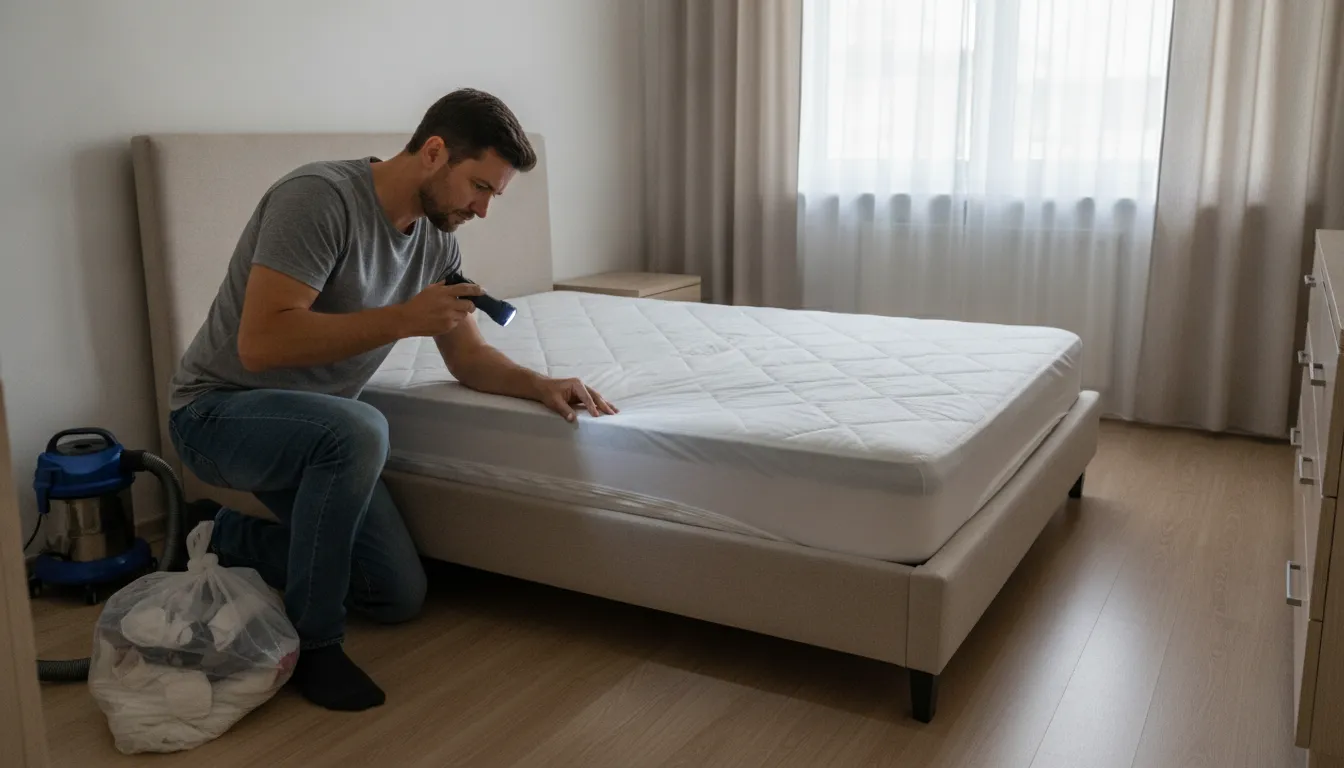
Check your mattress and couch every few days. Look for small red spots or black dots. These are signs that bugs are still in the area. Keeping a clear record of these signs will help your expert during the next visit. This careful watch is a key part of your list.
Get professional help if post-treatment activity is not declining
How should you monitor after bed bug treatment?
When you finish a professional bed bug treatment, the work is not yet over. You must keep a close eye on your home to ensure the bugs are gone for good. This helps you know what to expect after bed bug treatment as the pests die off. Proper checks let you catch any surviving bugs before they can start a new colony. It is the best way to make sure your home stays safe and clear.
Watch for active bugs
It is normal to see some bugs moving for a few days following treatment. This happens because the bugs are flushed out of hiding and touch the product. You should check your bed and furniture for live bugs or small dark spots. A good rule of thumb is that you should not find new adult bugs or nymphs 7 to 14 days after the work ends. If you still see live bugs after two weeks, the professional bed bug treatment might have missed a spot or a hidden nest.
Keep a simple log of where and when you see any bugs. Note if they are moving fast or seem slow and sick from the spray. This data helps your expert decide if you need a follow-up visit. Most chemical plans need at least one more visit two weeks after the first one to kill any new hatchlings. Following the process closely is the best way to get rid of these pests. By tracking their movement, you help the expert target the remaining bugs during the next visit.
Use monitoring tools
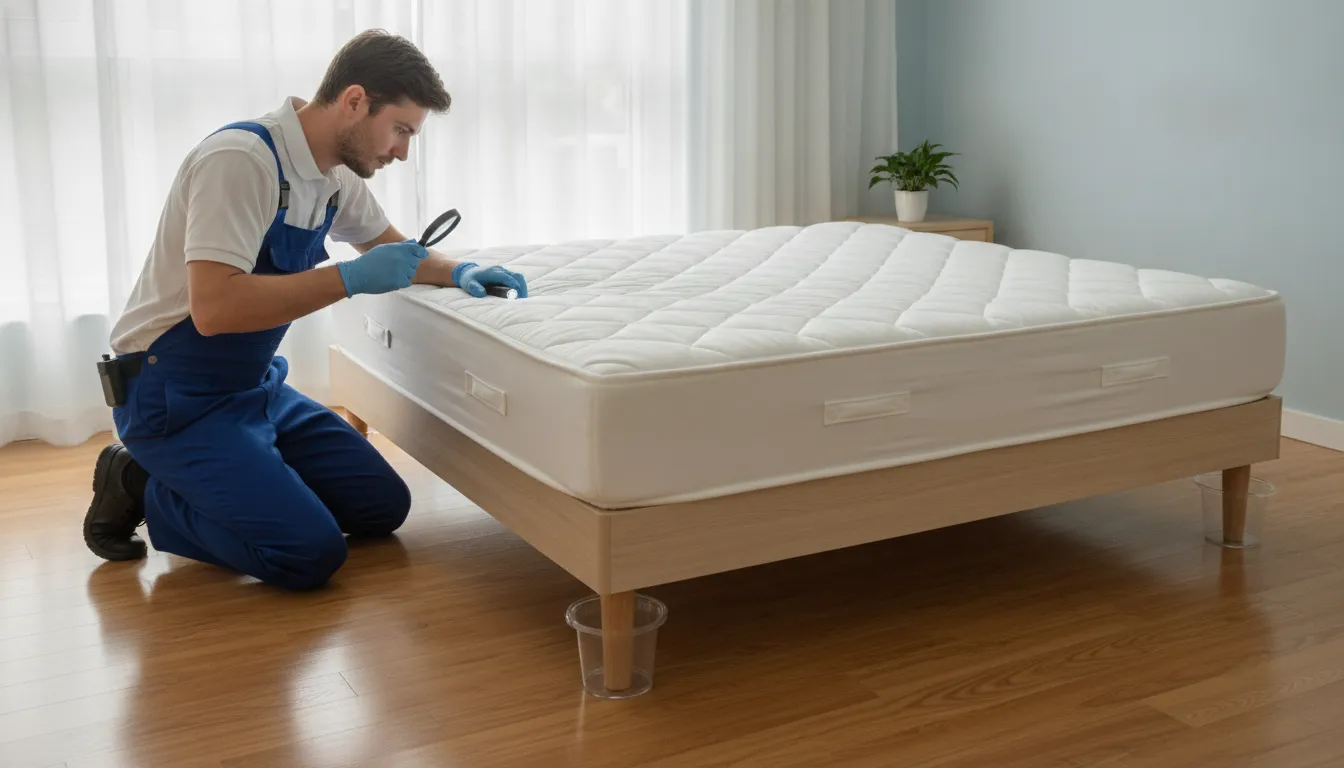
Visual checks are good, but tools can help catch what you miss. Using a bed bug mattress encasement is a great way to check for future action. These covers trap any bugs left inside and make new ones easy to see on the smooth surface. You can also place small traps under the legs of your bed. These traps catch bugs as they crawl up to find a meal, letting you see the level of action in each room.
Check these tools once a week for at least a month. Look for cast skins, small black spots, or live bugs in the traps. If the traps stay empty for 14 days, it is a sign that the treatment worked well. Do not stop checking too soon, as these bugs are experts at hiding in tiny cracks. They can even live for several months without a blood meal, so stay alert for a long time. Steady checks are the only way to be sure your home is truly free of pests.
Track bite reactions
Many people think that new bites mean the treatment failed. But skin reactions alone are not a sure way to measure success. Most people do not notice bite marks until one to several days after the bug bites them. Bed bugs also inject a fluid that keeps you from feeling the bite when it happens. This means a mark you see today could be from a bite that took place before the expert even arrived at your door.
Bites often look like red, itchy spots in a line or a group on your skin. But because everyone reacts in a different way, bites are not proof of a current bug. Some people have no reaction at all, while others have large marks. Focus on finding live bugs or fresh spots on your sheets instead. If you have a bad skin reaction, speak with a doctor right away. They can help with the itch while you focus on the bugs and the plan to get rid of them.
Why follow-up care depends on the treatment method
Getting rid of bed bugs often takes more than one visit. Knowing what to expect during a professional bed bug treatment helps you plan your work. Most pros will set up at least one follow-up visit to look for new signs of bugs. This step makes sure that any bugs that lived through the first round are gone.
The role of follow-up visits
A follow-up visit lets a pro check the deep hiding spots in your home. They look for live bugs, new eggs, or fresh spots on your bed. Based on facts from the CDC, seeing some bugs for a few days after the first visit is normal.
This happens as the bugs move through the product left behind. The pros use these visits to see if the first round worked as it should. It also gives you peace of mind that your home is safe again.
During this time, you can help by using tools like mattress covers. These covers make it easy to spot any bugs that are still around. If you still see live bugs after 14 days, the work may not be done yet.
A second visit allows the pro to add more product where it is needed most. This way of working is the best way to stop a bug problem for good.
How treatment methods change the timeline
The method used will change when the pro needs to come back. Standard chemical plans often need a second visit in about two weeks. This timing is key because it kills bugs that hatch from eggs after the first spray.
Since sprays do not always kill eggs, the second round catches the new babies before they can grow and lay more eggs. This stops the life cycle of the bugs in your home.
Other tools like Aprehend bed bug treatment or heat have their own rules. Heat kills all life stages at once by making the air very hot. Even so, pros still check the home to be safe.
Aprehend is a tool that works for up to three months. Because it lasts so long, the next plan might look a bit different. Your pro will tell you when they need to come back based on the tool they pick.
Dealing with big infestations
Large bug problems often need more care and more visits. If bugs have spread to many rooms, one visit is rarely enough to find them all. Pros may need to use a mix of tools to reach every small space and crack.
They might suggest extra checks to catch any bugs that got away during the first pass. This is part of a full plan to clear the home.
Next, the rules for cleaning and prep will help the work go well. You should wash your clothes in hot water and dry them on high heat for 30 minutes. This helps kill any bugs hiding in your cloth.
When you do your part, the pros can focus on the hard-to-reach spots. A team effort is the fastest way to get your home back to normal.
When should you contact your bed bug technician?
Knowing what to expect after bed bug treatment can help you stay calm during the process. It is normal to see a few live bugs for a few days after the first visit. These bugs are often flushed out of hiding as they come into contact with the left-over product. According to the CDC, these bugs should die shortly after touching the treated areas. But if you see bugs after two weeks, you need to call for expert help.
Spotting live bugs after two weeks
Expert bed bug work is a process, not a one-time event. It often takes a few weeks to kill every bug in your home because eggs may still hatch. You should see fewer bugs as each day goes by. If you still see live adult bugs or young nymphs after 14 days, the treatment may not have worked. This is a clear sign that you need to contact your team. They may need to check the area again or use a different way to solve the bug problem.
New bites or live bugs
Most people do not notice bite marks right away. They may appear one to three days after the bug bites you. If you get new bites after the first week, it could mean some bugs survived the first spray. You should also watch for large groups of bugs in new spots. If the bugs move to a room that was not treated, tell your technician. Moving items or failing to follow prep steps can spread the bugs. Fast action helps keep the bug problem from growing back in your home.
Confusion about steps or follow-ups
Success depends on doing the work set by your pro. If you are not sure how to prep for a follow-up visit, do not guess. You might need to wash clothes in hot water or move beds again. If you did not follow the steps well, tell your tech. They can help you fix the error so the next visit works better. Clear talk with your tech is the best way to get rid of bugs for good.
Many professional bed bug treatment plans include more than one visit. A typical chemical plan often needs a second visit about two weeks after the first one. This visit kills any new bugs that hatched from eggs after the first round. Do not panic if you see a single bug ten days in. Check your service plan to see when your next visit is. If the bug count is low, you can likely wait for your set date.
- Call if you see live bugs 14 days after the first visit.
- Contact the team if bugs appear in rooms that were not treated.
- Reach out if you have new bites after the first week.
- Ask questions if you are not sure how to prep for your next visit.
Frequently Asked Questions
How soon can I sleep in my bed after bed bug treatment?
You should wait until the spray is dry before you use the bed again. This wait often takes about four to six hours to finish in full. Each pest expert may have special rules for your home that you should follow. As stated by the CDC, it is vital to let the products set to make sure they work well and keep you safe. Always check with your pro before you go back into the room at the end.
When can I vacuum after bed bug treatment?
You can often vacuum your floors within a few days of your bed bug service. However, you must ask your pest pro first to make sure you do not remove the spray. If you do vacuum, use a bag and throw it away in a sealed bin outside. This step helps stop any live bugs from getting out into your home again. Using the advice of industry experts helps the spray stay in place to kill new bugs.
How do I know if bed bugs are gone after treatment?
You know the bugs are gone when you see no new signs for about two weeks. Look for live bugs, new bites on your skin, or dark spots on your bed sheets. It can take up to three weeks for a pro service to fully clear the home. As stated in industry data, eggs may hatch days after the first visit, so you must keep checking. If you see active bugs after 14 days, you may need a second visit soon.
What should I do if I still have bed bugs after three treatments?
Seeing live bugs after three visits can be very stressful for any person in a home. This issue often means the bugs are hiding in spots that the spray did not reach. It could also mean that new bugs are coming into your home from a nearby room. As noted by pest pros, you should check for clutter or gaps where the bugs might hide. You may need a new plan or a different type of treatment to solve the problem for good.
Ready to get expert help after your bed bug treatment?
Leaving even a few bugs behind can lead to a new pest problem in just a few weeks. If you do not watch for signs of bugs, the pests will breed and spread to other rooms. This makes it much harder and costs more to fix the problem later on. You should not wait to see if the bugs go away on their own. Taking steps right now is the best way to make sure the work is done right. Acting fast helps you reach a bug free home much sooner so you can sleep better again. You will save time and money by catching small issues before they grow into large ones. We can check your space and give you the clear help you need to keep your home safe. Our team is ready to guide you through each part of the process.
Contact Ace Bedbug Exterminating for follow-up guidance about your home and the next appropriate step.
One Response