
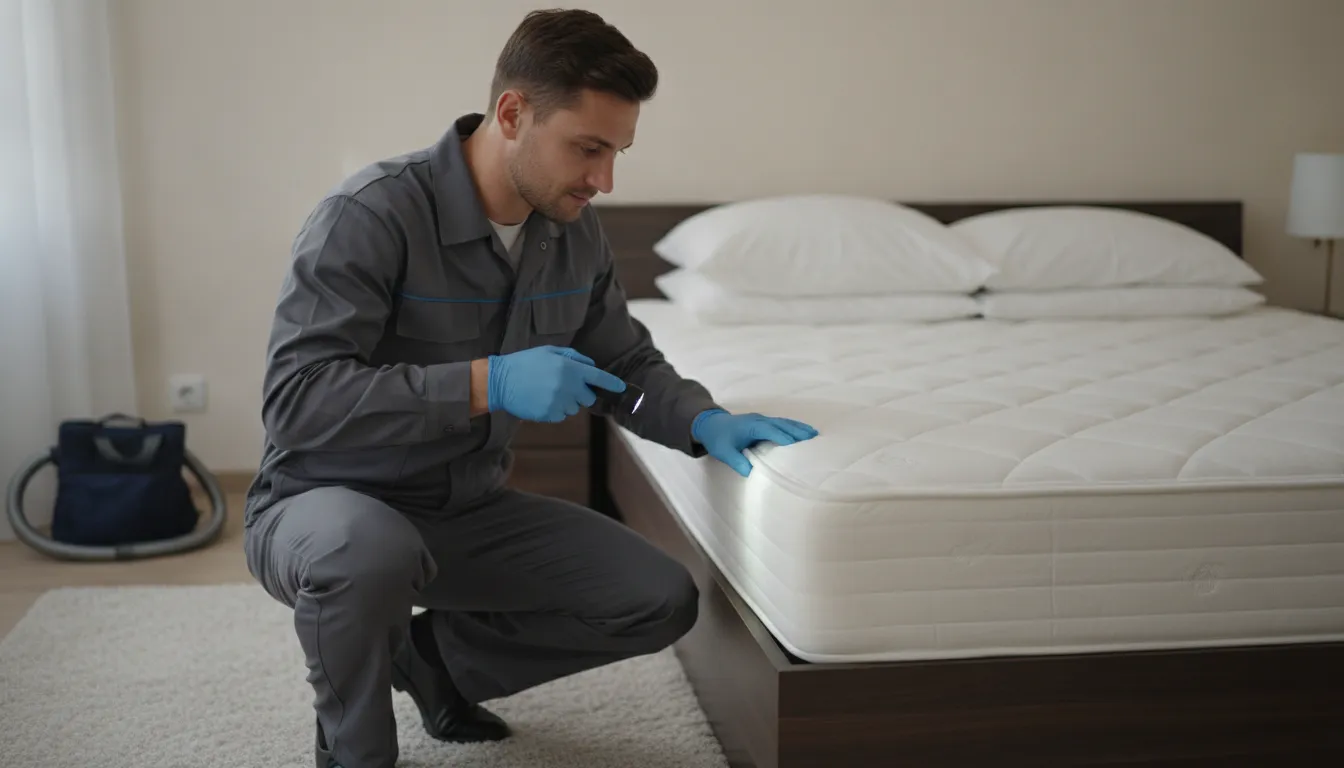
Bed bugs do not wait for a home or business to become unclean. They can arrive in luggage, clothing, furniture, or shared walls, then remain hidden until nighttime feeding reveals the problem. The first signs may be small, but delayed action can make an infestation harder to contain across a residence, apartment building, hotel, office, or healthcare facility.
Effective bed bug pest control Nassau County starts with accurate inspection, followed by targeted treatment and follow-up monitoring. A professional program can combine multiple methods, reach hiding places that household remedies miss, and use residual protection to address bugs that emerge later. Ace Bed Bug Exterminating brings more than 12 years of bed bug specialization to Nassau County, serving both homes and businesses.
Because bed bugs can thrive in any setting regardless of cleanliness, the right response is a science-based plan rather than embarrassment or guesswork. The next step is understanding why local infestations often require a specialist who knows how to identify, contain, and monitor them.
Schedule a free bed bug inspection in Nassau County
Why Bed Bug Pest Control in Nassau County Needs a Specialist
Bed bugs are not just another household pest. They are small, difficult to detect, and persistent enough to survive in homes, apartments, hotels, offices, and healthcare settings. The CDC explains that bed bugs can appear in any setting, regardless of cleanliness. An infestation is not evidence that a home or business is dirty, and bed bugs are not known to spread disease to people. Still, their presence can disrupt sleep, create stress, and spread through a property when the response is incomplete.
That combination calls for more than a routine spray. Bed bug work requires accurate inspection, an understanding of where these insects hide, and a treatment plan built around the property. A general pest service may handle several common pests, but a bed bug specialist works with the biology and behavior that make these infestations unusually hard to eliminate.
Bed bugs require a different treatment mindset
Bed bugs can remain concealed in seams, cracks, furniture joints, and other protected spaces. Treating only the mattress or the location where someone noticed bites can leave the rest of the infestation untouched. Their bites may also be mistaken for other skin reactions, so confirming the pest before treatment is an important first step.
A science-based program follows a three-phase model: detailed inspection, multi-method application, and follow-up monitoring. Inspection helps identify activity and likely harborage areas. Application combines appropriate methods rather than relying on one product or one visible bug. Monitoring then helps determine whether the treatment reached its goal and whether additional action is needed.
For homes and businesses in Nassau County, that individualized approach matters. A single-family home, a multi-unit building, a hotel room, and a medical facility do not have the same access points, occupants, scheduling needs, or documentation requirements. Treatment must account for the structure and the people using it.
Why experience and residual protection matter
Ace Bed Bug Exterminating has focused exclusively on bed bug eradication for more than 12 years. That bed-bug-only specialty supports a narrower, more practiced assessment than a general pest menu. Ace also uses Aprehend biopesticide, which provides 90-day residual protection according to the company’s treatment information. Residual protection can help address bed bugs that emerge after the initial application, while follow-up monitoring provides another layer of accountability.
The goal is not to promise instant elimination. It is to apply the right methods carefully, explain what you should do before and after service, and verify progress. Ace is a family-owned, neighborhood-trusted provider serving the Nassau County community, with same-day response available when an infestation needs prompt attention. Whether you are a homeowner, renter, property manager, or business operator, a specialist can replace guesswork with a documented plan built for your property. For a deeper overview of how infestations are handled across the region, see the New York bed bug removal guide.
How Do Bed Bug Infestations Start in Homes and Businesses?
Bed bugs usually enter a property by hitchhiking, not by flying or crawling in from an unclean room. A few insects can arrive in luggage after travel, on used furniture, or in clothing, bedding, bags, and other personal belongings. Because they are small, flat, reddish-brown, wingless insects ranging from about 1mm to 7mm. They can be difficult to notice before they reach a bedroom, apartment, office, or guest room. The CDC explains how to identify bed bugs and distinguish them from other pests.
Once inside, they seek tight, protected hiding places close to people or animals. Look along mattress and box spring seams, behind headboards, inside furniture joints, beneath loose edges, and in cracks and crevices around walls and floors. Clutter can create additional hiding places, but clutter is not required for an infestation to begin. Bed bugs can remain hidden during the day and emerge at night to bite sleeping people or animals and feed on blood, as documented by the CDC’s bed bug guidance.
Why one unnoticed introduction can become an infestation
Early signs are easy to miss. You may see shed skins, dark spotting, eggs, or live insects before anyone recognizes the pattern of bites. Bed bugs can also survive several months without a blood meal. That ability allows them to persist in an unoccupied room, a stored piece of furniture, or a vacant apartment until a person or pet returns. A short period without bites does not prove that the problem has disappeared. A careful inspection is more reliable than waiting for visible activity to increase.
Cleanliness does not determine whether bed bugs are present. They can be found in tidy homes, luxury hotels, offices, hospitals, dormitories, and other settings. The CDC notes that bed bugs occur in many environments and that how clean a place is does not determine their presence. Shame can delay reporting, which gives a small introduction more time to spread.
How bed bugs spread through commercial properties
In homes, bed bugs may move between bedrooms, apartments, or neighboring units through belongings, wall gaps, and shared spaces. In hotels and short-term lodging, travelers can carry them from one room to another in luggage. In healthcare, assisted living, and other facilities, bags, clothing, mobility equipment, and room changes can create additional routes. Commercial managers need a discreet response because delaying inspection can affect more rooms, residents, guests, or staff. Learning the signs of bed bugs in a commercial building helps facilities react faster before the problem spreads between rooms or units.
Do not immediately throw away mattresses, sofas, or other belongings. The EPA advises that many items can be treated and saved, while discarded furniture may spread bed bugs to another home. Seal and handle suspected items carefully, limit movement between rooms, and arrange an accurate inspection before deciding what needs removal.
When DIY Bed Bug Pest Control Is Too Risky
DIY steps can reduce exposure while you arrange help, but they rarely solve an established infestation on their own. Start with accurate identification. The EPA recommends confirming that the insect is a bed bug, rather than a flea, tick, or another lookalike, before choosing a control method. A clear photo or specimen can help a qualified professional assess the situation and avoid treating the wrong pest.
Heat is one common source of false confidence. Turning up the thermostat or placing space heaters around a room does not distribute enough heat through mattresses, furniture, walls, and hiding places. Bed bugs must reach a body temperature of 45C (113F) to die. And the EPA explains that special equipment and very high temperatures are necessary for successful heat treatment. An improvised setup can leave survivors while creating a serious fire or burn hazard.
Freezing has similar limits. Bed bugs can be killed by cold under the right conditions, but temperatures must remain very low for a long time. Home freezers may not be cold enough to kill them reliably, especially when items are tightly packed or the temperature fluctuates. Treating one bag or small object also does not address bugs hidden in the bed frame, baseboards, nearby furniture, or adjoining rooms.
Throwing out belongings is another costly reaction. The EPA advises against discarding everything because many items can be treated and saved. Moving mattresses, furniture, clothing, or bags through a building can spread bed bugs to hallways, vehicles, neighbors, or another room. Seal and isolate suspect items, and ask for treatment guidance before carrying them elsewhere.
Why over-the-counter sprays often make the problem harder
Surface sprays may kill a few exposed insects, but they usually do not reach eggs or every bug tucked into cracks and crevices. Repeated, scattered applications can drive bugs deeper into protected spaces or cause them to spread to new hiding places. The result is often a harder inspection and a larger treatment area, not a controlled resolution. Bed bug elimination can be difficult, but it is not impossible when the work is systematic and everyone follows the treatment plan.
Call a professional when you have confirmed or strongly suspect bed bugs, continue finding signs after repeated DIY attempts. See activity in more than one room, or live in a multi-unit or commercial property. A specialist can inspect the structure, identify likely harborages, and recommend a coordinated approach instead of another isolated product. For a fuller explanation of when to stop experimenting, read this guide to professional bed bug pest control.
What a Professional Bed Bug Treatment Program in Nassau County Includes
A dependable program is more than spraying the area where someone noticed a bite. It follows a structured process that identifies the infestation, reaches hidden activity, and checks whether the problem is truly under control. Ace Bed Bug Exterminating uses a three-phase model built around detailed inspection, multi-method treatment application, and follow-up monitoring. This approach is documented in the company knowledge base and is designed for homes, apartments, and businesses in Nassau County.
Heat can be one part of the discussion. Bed bugs die when their body temperature reaches 113F, but achieving that temperature throughout affected spaces requires specialized equipment and careful control. The EPA explains why household thermostats and space heaters are not sufficient for heat treatment. A professional plan selects methods based on the building, the evidence found, and the locations where bed bugs may be hiding.
-
Detailed inspection and treatment planning
The first phase is a careful inspection rather than an assumption based on bites alone. A technician examines sleeping areas, furniture, cracks, crevices, nearby belongings, and other places where bed bugs can remain out of sight. This helps confirm that the pest is actually a bed bug and identifies the scope of activity before treatment begins. Accurate identification is the first step in control, according to the EPA’s bed bug guidance.
The inspection also informs preparation. You may be asked to wash and heat-dry bedding, blankets, bedspreads, and clothing that touches the floor. High-heat washing and drying can reduce bed bug populations. If mattress or box-spring encasements are used, leave them in place for at least one year so surviving insects cannot easily reach sleepers.
-
Multi-method treatment application
The second phase uses Integrated Pest Management, or IPM. IPM combines practical measures with carefully selected treatment methods instead of relying on one product or one visible area. The EPA notes that IPM can reduce bed bug numbers while limiting contact with pesticides. In practice, that may include targeted application, preparation, physical measures, and other methods selected for the property and infestation. This is why many practitioners discourage relying on products such as bed bug bombs, which rarely reach the hidden spaces where these insects live.
Ace also uses Aprehend biopesticide, which provides 90-day residual protection according to the customer knowledge base. Residual protection matters because bed bugs can remain hidden and may not all be exposed at the same moment. The goal is not to create a false impression of instant elimination. It is to build a treatment plan that addresses current activity while continuing to work against insects that emerge later.
-
Follow-up monitoring and response
The third phase is follow-up monitoring. A professional program checks conditions after application, looks for signs of continuing activity, and determines whether additional action is needed. This step helps verify progress instead of treating the first visit as the end of the process. The customer knowledge base identifies ongoing monitoring as part of Ace’s three-phase service model.
Timing can matter, especially in apartments, hospitality settings, and healthcare environments where an infestation affects other people or rooms. Ace offers same-day emergency response for bed bug situations, subject to availability. Prompt contact allows the team to assess the situation, coordinate preparation, and limit unnecessary movement of belongings while the program is being arranged.
For residents and property managers comparing bed bug pest control Nassau County options, the practical difference is follow-through. Inspection, coordinated treatment, preparation, and monitoring work together to address both the insects you can see and the activity you cannot.
Professional Pest Control vs. DIY: Which Approach Wins?
DIY measures can help with preparation and containment, but bed bugs are difficult to eliminate because they hide in narrow cracks. Remain out of sight, and can survive for months without feeding. The comparison is not simply about buying a product versus hiring a company. It is about whether the treatment reaches the full infestation, whether follow-up is built in, and whether the process prevents the problem from spreading.
| Category | Professional treatment | DIY approach |
|---|---|---|
| Effectiveness | Uses inspection, multiple treatment methods, and follow-up monitoring as a coordinated program. | May reduce visible activity, but missed bugs or eggs can allow the infestation to continue. |
| Hidden-bug coverage | Targets hiding areas identified during a detailed inspection, including cracks and crevices. | Surface sprays and visible clean-up may not reach concealed insects. |
| Time to elimination | A three-phase plan creates a defined path from inspection through treatment and monitoring. | Repeated experiments can prolong the infestation when the method misses hidden activity. |
| Safety and pesticide exposure | Integrated Pest Management can reduce bug numbers while limiting contact with pesticides. Treatment is selected and applied strategically. | Improper application or overuse can increase exposure without solving the source of the infestation. |
| Risk of spreading | Professionals can advise what to isolate, treat, and retain instead of moving contaminated items blindly. | Throwing out belongings can spread bed bugs to other homes and is often unnecessary. |
| Residual protection | Where appropriate, Aprehend biopesticide provides 90-day residual protection after application. | Home remedies generally do not provide a comparable, planned residual barrier. |
| Long-term value | Inspection, treatment, and monitoring support complete elimination and reduce costly repeat attempts. | Low upfront cost can become expensive when treatments fail, belongings are discarded, or the infestation expands. |
The EPA explains why common home remedies have important limits. Raising a thermostat or using space heaters does not create the high temperatures required for successful heat treatment. Home freezers may also be too warm to kill bed bugs reliably. These shortcuts can create confidence without delivering control.
For residents and property managers seeking bed bug pest control Nassau County, professional treatment is the reliable path when activity is confirmed or keeps returning. Ace Bed Bug Exterminating has focused on bed bug eradication for more than 12 years, combining careful inspection with targeted methods and follow-up. That approach addresses the infestation you can see and the hidden activity you cannot. If you are still on the fence about handling it alone, this breakdown of DIY bed bug treatment explains when a do-it-yourself approach is worth the effort and when it stops working.
How to Choose a Bed Bug Pest Control Company in Nassau County
Choosing a bed bug company is not the same as choosing a general pest control provider. Start with a specialist that focuses on bed bug biology, inspection, treatment, and follow-up rather than treating the problem as a routine spray visit. Ace Bed Bug Exterminating has focused exclusively on bed bug eradication for more than 12 years, including service throughout Nassau County. That depth of experience matters when insects are hiding in narrow cracks, furniture joints, wall gaps, or other areas that are easy to miss.
Look for a company that explains its process before asking you to approve treatment. A credible provider should confirm the pest has been correctly identified, describe the methods it may use, and explain what preparation and follow-up will involve. You can review additional selection criteria in this guide to bed bug pest control in Nassau County, then compare the answers you receive from each provider.
Questions to ask before hiring
- Do you specialize in bed bugs? A bed-bug-only company is more likely to have a repeatable inspection and eradication process for this specific pest.
- Are your technicians licensed and insured? Ask for confirmation before work begins, and make sure the company can explain its safety procedures and treatment products.
- Can you respond quickly? Same-day emergency response can be important when a suspected infestation affects a rental, hotel, healthcare setting, or another occupied property.
- How do you handle commercial properties? Hospitality, healthcare, and commercial buildings may need discreet service, documentation, coordination across rooms or units, and regulatory compliance support.
- What happens after treatment? Follow-up monitoring should be part of the program, not an afterthought. Bed bug control requires patience and adherence to professional guidance, rather than a promise of instant elimination.
For a business, ask whether the provider has experience working around guests, residents, staff, and operating schedules. Rapid, discreet response and compliance awareness can help property managers address an infestation without creating unnecessary disruption. If you manage a larger property, this information on commercial bed bug pest control may help you prepare.
What to expect during the first inspection
A professional visit should begin with a detailed inspection, not an automatic application. The technician will discuss where activity was noticed, examine sleeping and resting areas, and look for evidence in likely hiding places. The goal is to establish whether bed bugs are present, understand the extent of the issue, and identify conditions that could affect treatment. The technician should then explain the recommended plan, preparation instructions, safety considerations, and follow-up schedule in clear language.
A qualified Nassau County provider should treat your home or facility as an individual case. That means combining appropriate methods, documenting findings when needed, and returning to monitor progress. For a broader overview of the process, see the New York bed bug removal resource.
Schedule a bed bug inspection in Nassau County today
Frequently Asked Questions
How do I know if I have bed bugs in my Nassau County home?
Look for live insects, shed skins, tiny dark spotting, or bites that appear after sleeping. Bed bugs hide in mattress seams, furniture, cracks, and crevices, so a careful inspection matters. Confirm the insect before treatment because fleas, ticks, and other pests can look similar. The EPA recommends accurate identification as the first step.
What kills 100% of bed bugs?
No single home remedy reliably guarantees complete elimination. Effective control usually combines inspection, targeted applications, preparation, and follow-up monitoring. Professional heat treatment requires specialized equipment because bed bugs die when their body temperature reaches 113 F, while household thermostats and space heaters do not reach treatment conditions. The EPA explains these heat-treatment limits.
Is it worth getting an exterminator for bed bugs?
Professional help is worthwhile when bites or signs continue, more than one room may be affected, or the infestation involves an apartment, hotel, office, or healthcare setting. Bed bugs are difficult to locate and can survive several months without feeding. A specialist can identify the problem, treat likely hiding places, and create a monitoring plan instead of relying on repeated guesswork.
How long does a professional bed bug treatment take?
The visit length depends on the property size, infestation level, and treatment methods selected. A complete program is not always a single appointment. It commonly includes a detailed inspection, multi-method treatment application, and follow-up monitoring. You should also receive preparation and return instructions so treatment can be completed safely and thoroughly.
How much does bed bug pest control cost in Nassau County?
Pricing varies with the number of rooms, infestation severity, property type, preparation needs, and follow-up required. A reliable estimate should follow an inspection rather than a one-size-fits-all quote. Ask what the service includes, whether monitoring is part of the program, and what preparation is expected before scheduling.
Ready to Schedule a Nassau County Bed Bug Inspection?
A professional inspection can clarify where bed bugs are hiding and help you choose a treatment plan suited to your home or business. Ace Bed Bug Exterminating takes an individualized, science-based approach, so you can move forward with clear next steps.
One Response