
Waking up with clusters of red, itchy welts causes immediate physical discomfort and intense anxiety. While these bites do not transmit disease, scratching them can open the skin to harmful bacteria.
Schedule your free consultation today! Call (347) 378-7070 to speak with a bed bug expert and start your path to relief.
An effective bed bug bite treatment focuses on simple care to soothe itching, calm your skin, and keep the area clean to prevent secondary infections. According to the Centers for Disease Control and Prevention, most bites require only basic home care, starting by washing the skin with mild soap and water. Applying cool compresses, topical hydrocortisone, or calamine lotion can then provide fast comfort, while trimming your nails helps you avoid scratching the itchy skin. Although the intense itching is stressful, experts at the Mayo Clinic confirm these minor bites typically heal on their own within one to two weeks. Getting fast relief is simple when you focus on these basic hygiene steps and let your body heal.
Before choosing a remedy, it helps to understand why your skin reacts so strongly to these pests. To see how your body responds, the first section, Why Do Bed Bug Bites Itch?, explains the biology behind the reaction. Understanding this helps you choose the right relief.
Why Do Bed Bug Bites Itch?
When bed bugs feed, they do not just take blood. They also leave behind saliva that causes a strong skin reaction. Adult bed bugs are small, oval, flat, reddish-brown in color, and wingless. To get blood, these tiny insects use their mouth parts to pierce your skin.
The Immune System Reaction
The main reason you feel an itch is your immune system. When a bed bug bites, it injects saliva into your skin. This saliva has proteins that stop your blood from clotting. Your body sees these foreign proteins as a threat.
To fight the proteins, your body makes a chemical called histamine. Histamine is what causes the skin around the bite to swell up and itch. It makes the tiny blood vessels in your skin get wider. This leads to the red, puffy bumps that most people get after a bite.
Not everyone reacts to these proteins in the same way. Most people only get mild red spots that itch for a few days. But some people have a severe allergic reaction that causes large, painful blisters. If you have a bad reaction, you must see a doctor right away.
The Delayed Bite Timeline
One of the hardest things about these bites is the timeline. You may not see or feel any marks on your skin right away. According to Harvard Health, it can take up to 14 days after the first bite for a bite mark to appear. Because of this delay, you might not know where you got bitten.
The insects feed while you sleep, usually in the dark. Their saliva also has an anesthetic that numbs your skin. Because of this, you do not feel the bite when it happens. They can drink blood for several minutes without you waking up.
The Need for Professional Help
Treating your skin is only the first step. Bite creams can soothe the itch, but they do not stop the pests. To protect your home, you can find the immediate steps for bed bug control on our site. But the only way to end the itching is to get rid of the insects.
To completely solve the problem, you will need a professional bed bug extermination. You should also learn the differences between bed bug bites vs mosquito bites to confirm you are dealing with bed bugs. The expert team at Ace Bed Bug Exterminating can help you find and clear the pests from your home. We find where they hide so you can sleep in peace again.
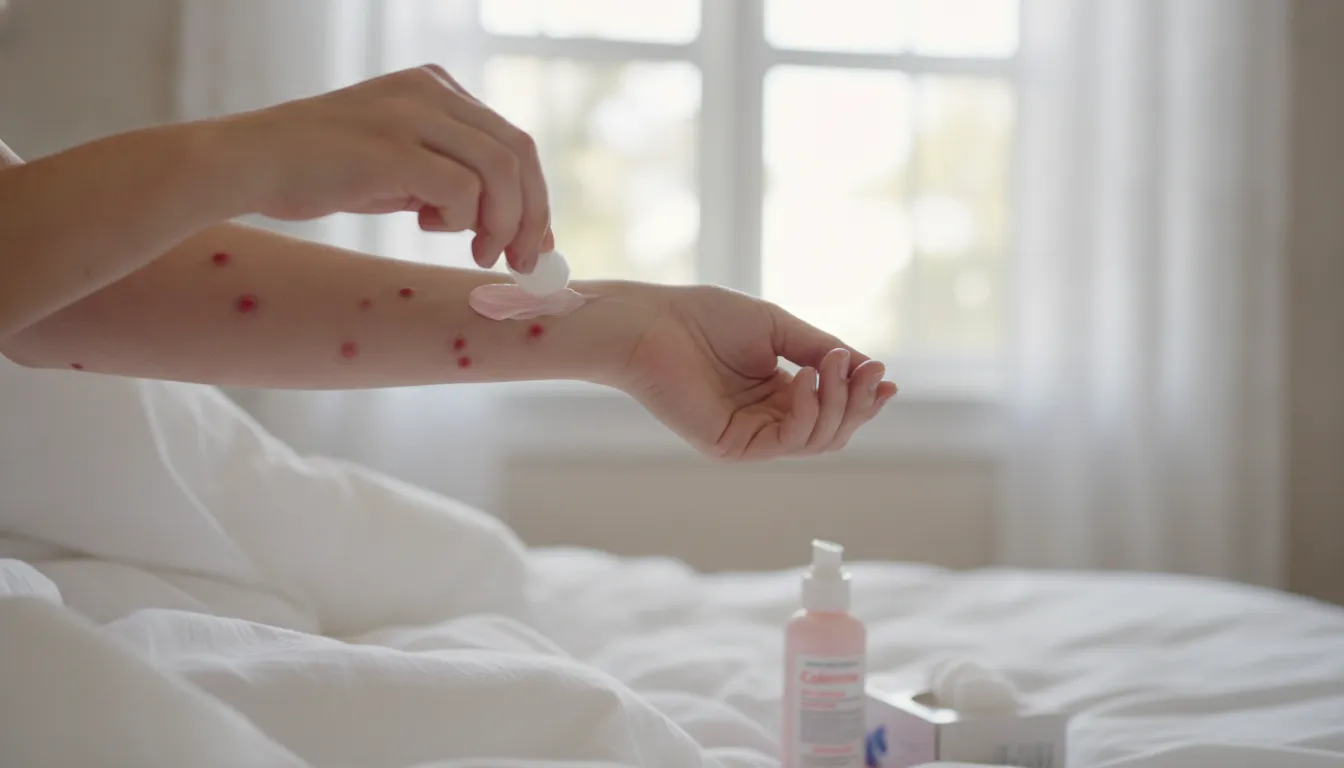
Immediate Bed Bug Bite Treatment Steps
Waking up with new, itchy bumps on your skin can cause deep stress. You do not have to panic, but you should take quick steps to care for your skin. Fast, simple self-care helps soothe the itch. This keeps your skin safe while you look for the root of the problem.
Step-by-Step Care for New Bites
Follow these five clear steps to treat your bites at home as soon as you find them.
- Wash the bites. Clean the area with mild soap and warm water. According to the Centers for Disease Control and Prevention, simple hygiene prevents secondary infection.
- Apply a cold compress. Wrap ice or a cold pack in a clean, soft cloth and hold it against the bites. The cold helps numb the nerves, which quickly calms the swelling and reduces the urge to itch.
- Avoid scratching the skin. It is hard to resist, but scratching is risky. CDC medical experts state that avoiding scratching the bites is vital to prevent secondary skin infections.
- Launder your bedding. Heat is a great way to kill bed bugs on fabrics. Experts from the Mayo Clinic show that washing items in hot water kills these pests. You can start by laundering infested items at a temperature of at least 120 F to clear your sheets.
- Check the severity of your reaction. Pay close attention to how your body reacts to the bites. Most people only have mild itching, but some may experience severe swelling or allergic reactions that need medical care.
Why Simple Hygiene and Care Matter
When you discover bed bug bites, your first focus is stopping the itch. Simple home treatments can help calm your skin, but hygiene is the key to healing well. Most bites heal on their own in one to two weeks, as long as you do not bring germs to the area. If you scratch the skin, you open small tears that allow bacteria to enter.
Medical experts at the CDC advise keeping the bites clean. Washing with mild soap reduces the risk of secondary skin infections. If you notice severe redness, swelling, or heat, it may be time to seek medical care. The goal of basic treatment is to keep the skin intact while the bites slowly fade.
Treating the Root Cause
While soothing your skin is key, home remedies will not solve the real problem. Bed bugs are hard to find and can live for months without a meal. To protect your home and prevent more bites, you must get rid of the infestation. Ace Bedbug Exterminating provides expert, science-based inspection and treatment to clear these pests for good.
In the NYC metro area, bed bugs are master hitchhikers that enter homes on bags, clothing, or furniture. Trying to treat them on your own can often make the problem worse. Working with a trusted team like Ace Bedbug Exterminating ensures that your home is fully inspected and cleared using safe, proven methods.
Residents in Williamsburg Brooklyn dealing with bites after a suspected infestation can count on our same-day local inspection and treatment services.
Best OTC Medications for Bed Bug Bite Relief
Bed bug bites can be itchy and upset your sleep. If you want to clear your home, you might look into DIY bed bug remedies first. But to soothe active skin itching, you should focus on medicine. Finding the right bed bug bite treatment helps you get relief while your skin heals.
Oral Antihistamines
Oral antihistamines work from the inside to stop your body from reacting to the bites. When a bed bug bites, it injects saliva into your skin, which triggers a release of histamines. These histamines cause the red, itchy bumps you see. According to the Mayo Clinic, diphenhydramine (Benadryl) can help ease these bed bug bite symptoms by blocking histamines.
Some antihistamines can make you feel sleepy. Because of this, many people take diphenhydramine at night to help them sleep through the itch. For daytime use, you can choose non-drowsy options like cetirizine or loratadine. These choices still provide good bed bug bite treatment without making you tired during the day.
| Treatment Type | How It Works | Best Used For | Key Point |
|---|---|---|---|
| Oral antihistamines (Benadryl, Zyrtec) | Block histamines from inside the body | Widespread itching and multiple bites | Can cause drowsiness; use non-drowsy options during the day |
| Hydrocortisone cream (Cortaid) | Low-strength steroid that reduces swelling | Localized red, swollen bites | Apply a thin layer up to four times daily |
| Calamine lotion | Zinc oxide cools and dries the skin | Oozing or moist bites on small areas | Safe for children; gentle cooling effect |
| Topical steroid creams (prescription) | Stronger anti-inflammatory action | Severe reactions with large blisters | Needs a doctor’s prescription for intense cases |
Topical Hydrocortisone Creams
If you prefer to treat the bites directly on your skin, topical creams are a great choice. You can apply these creams right on the red bumps to stop the local itch. The Mayo Clinic states that a skin cream containing hydrocortisone (Cortaid) may help relieve the itching from bed bug bites. This low-strength steroid cream reduces swelling and calms the irritated area.
You should apply a thin layer of this cream to the bites up to four times a day. Do not use too much, and avoid putting it on open wounds. If you have scratched the bites open, soap and water are safer options to use first. The team at Ace Bedbug Exterminating warns that scratching open wounds can lead to skin infections.
Calamine and Steroid Options
Calamine lotion is another classic choice for bed bug bite treatment. This pink liquid contains zinc oxide, which has a natural cooling effect on the skin. When you put calamine on a bite, it dries out the skin and stops the urge to scratch. It is safe for children and adults who need a gentle way to soothe active itching.
For intense reactions, standard over-the-counter creams might not be strong enough. The Centers for Disease Control and Prevention (CDC) notes that topical steroid creams can be used for severe bed bug bite reactions. These stronger prescription steroids can help when you have large, painful swelling or blisters. If your bites do not improve after a week, you should speak with a doctor about these options. For ongoing issues, follow our professional bed bug treatment preparation guide to get your home ready for pest control.
What Natural Home Remedies Soothe Bed Bug Bites?
Natural home remedies can soothe bed bug bites by reducing itchiness and swelling. Try oatmeal baths, aloe vera, baking soda, and cold green tea bags. While these gentle treatments lack clinical trials, they give safe, simple relief while your skin heals.
Oatmeal baths and aloe vera
Colloidal oatmeal is a classic choice to calm red, itchy skin. You can grind whole oats into a fine powder and mix them into warm bath water. Soaking for fifteen minutes helps cool the skin and stop the urge to scratch. This simple step is a great first bed bug bite treatment.
Aloe vera gel is another helpful plant that speeds up healing. The Mayo Clinic notes that bed bug bites usually go away on their own within one to two weeks. Spread a thin layer of fresh aloe gel on your skin to cool the bites and lower swelling.
Baking soda and cold tea bags
You can make a thick paste by mixing baking soda with a few drops of water. Put this on the itchy spots. Let it dry for ten minutes before you wash it off with cool water.
Cold green tea bags are also useful. Green tea has natural compounds that help shrink swollen skin and soothe pain. Steep two tea bags in hot water, squeeze out the liquid, and put them in the fridge to cool. Once cold, press them gently onto your bites for ten minutes.
Remedy limits and professional care
Witch hazel is a liquid from a shrub that stops itching. It dries out damp bites and reduces redness. Be careful with essential oils. Putting them on broken skin can cause pain and bad skin reactions.
The Centers for Disease Control and Prevention points out that home remedies have not been tested in clinical trials. They can ease your itching but will not cure the problem. If you want a real cure, you must get rid of the pests in your home.
Our team at Ace Bedbug Exterminating can help you find and clear out the pests. Take action fast. Read our comprehensive bed bug control guide to learn about pest checks. Taking immediate steps for bed bug control is the best way to get long term relief from itchy bites.
Preventing Infection: Why Hygiene Matters for Bed Bug Bites
Proper hygiene is a key part of bed bug bite treatment to prevent secondary infections. While the bites themselves do not cause infections, scratching them can tear the skin and let bacteria enter. Keeping the bites clean with soap and water protects your skin and helps you heal.
How to keep bites clean
To start your healing, wash the bites with mild soap and clean water as soon as you find them. This simple step clears away dirt and germs from your skin. Good hygiene is often the only bed bug bite treatment you need, according to the Centers for Disease Control and Prevention. Dry the area gently with a clean towel after washing.
If the bites are very itchy, you can cover them with a clean bandage. A bandage protects the sore skin from outside dirt and keeps it clean. The experts at Ace Bedbug Exterminating also suggest that you wear loose clothes. Loose fabrics do not rub against the spots, which helps keep your skin calm.
The danger of scratching
Bed bug bites can itch a lot, but you must avoid scratching them. Scratching tears the top layer of skin, which makes it easy for common germs to get inside. When bacteria from your fingers enter these open cuts, they can cause a painful secondary skin infection. At Ace Bedbug Exterminating, we always advise keeping your fingernails short and clean to protect your skin from harm.
If you scratch the bites, you also slow down the body’s natural healing process. To help stop the itch, you can use cold packs or over-the-counter anti-itch creams. This makes it much easier to leave the spots alone so they can heal. Our team at Ace Bedbug Exterminating can help you with immediate steps for bed bug control so you do not get new bites each night.
Recognizing signs of infection
Sometimes, despite your best efforts, a bite can still get infected. You should check your skin daily for any warning signs of a secondary infection. Watch for increasing redness, swelling, and a warm feeling around the bite. If you see yellow pus or feel a fever, these are clear signs that bacteria have taken hold.
If an infection does set in, you will need to seek medical care. A doctor may need to give you topical or systemic antibiotics to treat a secondary skin infection. This medical care is separate from finding and removing the pests. To get rid of the pests for good, you can check our professional bed bug extermination guide to clear your home.
When Should You See a Doctor for Bed Bug Bites?
Most bed bug bites are not a major health threat. According to the Mayo Clinic, these bites usually go away on their own within one to two weeks without any treatment. But some people may have bad reactions that need care. Learning when to treat bites at home versus when to see a doctor can keep you safe.
Severe allergic reactions
A severe allergic reaction is rare but can be dangerous. You should watch for hives that spread far beyond the bite areas. Some people also have swelling in their lips, tongue, or throat. This swelling can make it hard to breathe or swallow. These symptoms point to a serious body-wide reaction. If you have these signs, you need medical help right away.
While bed bugs do not spread germs, the health risks of bed bugs can still be serious for highly sensitive people. A basic bed bug bite treatment starts with washing the skin and using simple creams. But a severe reaction needs a doctor to check the skin. A doctor can prescribe strong drugs to stop the swelling and calm your body.
Signs of a secondary infection
Scratching your bites can break the skin and let bacteria in. This can lead to a secondary skin infection. You should contact a doctor if you see signs of infection on your skin. These signs include increased redness, swelling, and pain around the bite. The skin might also feel warm to the touch or leak yellow pus.
If you get a fever or see red streaks spreading from the bite, seek care right away. According to the CDC, a doctor may need to prescribe antibiotics to treat these infections. This bed bug bite treatment can be a cream or a pill. Do not let an infection go without care, as it can spread and cause more harm.
When home care is not enough
Sometimes, bites do not heal even without an infection or allergy. If your bites do not start to fade after two weeks, a doctor should look at them. They can check if you have a different skin issue. They can also give you a stronger skin cream to help with severe itching. High levels of stress and loss of sleep from itching are also good reasons to seek medical advice.
If you feel sure your bites are from bed bugs, you should also contact a team like Ace Bedbug Exterminating. While a doctor treats your skin, our team can find and kill the bugs in your home. This works well to help your skin heal while stopping new bites. Getting expert help is the best way to get back your peace of mind.
Frequently Asked Questions
How long does it take for bed bug bites to go away?
Bed bug bites often go away on their own within one to two weeks without any extra care. According to the Mayo Clinic, these bites do not often need treatment to heal. If the spots do not fade after two weeks, or if they get more red, see a doctor. You may need help for a skin infection.
Can bed bug bites take days to show up on your skin?
Yes, they can. It can take up to 14 days after you are bitten for a mark to show up. According to Harvard Health, these late skin reactions are very common. This delay makes it hard to know when and where you got the bites. If you suspect an infestation, read our comprehensive bed bug control guide or call Ace Bedbug Exterminating to check your home.
Can you get rid of bed bug bites overnight?
You cannot get rid of bed bug bites in a single night. Healing takes time, but you can soothe the itch quickly. According to the CDC, most bites only need basic hygiene and mild treatments to heal. You can learn more about DIY bed bug remedies to handle the pests in your home. Washing the area with soap and water is also a great first step.
What is the best bed bug bite cream for fast relief?
A cream with hydrocortisone is often the best choice to calm the itch. The Mayo Clinic suggests using this type of skin cream to ease your symptoms. Calamine lotion can also help dry out the spots and cool your skin. If the itch is very bad, oral allergy pills can help you sleep. Avoid scratching the bites so you do not cause a skin infection.
How do you know if a bed bug bite is infected?
An infected bite will feel warm and look very red and swollen. You might also see yellow pus oozing from the spot. According to the CDC, these new skin infections may need antibiotic treatment. To prevent this, keep the area clean with soap and water and do not scratch. If you see signs of infection, see a doctor right away.
Ready to Stop the Itching and Eliminate Bed Bugs for Good?
Living with bed bug bites is painful and stressful. Every night you wait to get help allows the infestation to grow larger and spread to other rooms in your house. This makes the bugs much harder and more costly to eliminate later. Do not let these pests take over your home or ruin your sleep any longer. When you take action today, you can stop the cycle of new bites right away. Our science-based treatments will clear the pests safely so you can finally sleep in peace again. We are here to help you get your home and your life back to normal starting right now.
Ready to clear your home? Call (347) 378-7070 to schedule a professional bed bug inspection. Contact Ace Bedbug Exterminating today for a free consultation and expert bed bug treatment you can trust.