
Small red bumps on a baby’s skin can be unsettling, especially when you are unsure whether they are bites, a rash, or something that needs medical attention. If you suspect bed bugs, schedule an inspection with Ace Bedbug Exterminating so you can identify the source and choose a safe next step.
Bed bug bites on babies often appear as small red bumps in clusters or a line, but a baby’s skin can react differently from another child’s. Bed bugs are not known to transmit disease through their bites, although itching and scratching can irritate skin and sometimes lead to infection. A pediatrician can help evaluate concerning symptoms.
Bed bugs are about the size of an apple seed and are usually active at night, so the bites themselves may be easier to notice than the insects. Learning what the marks typically look like, where they appear, and how quickly they develop can make the next step clearer.
What Do Bed Bug Bites on Babies Look Like?
These bites usually look like tiny red spots or raised bumps, often grouped or arranged in a line on exposed skin. The marks may appear within 12 to 24 hours, but some children do not develop visible symptoms for several days, and occasionally up to 14 days.
Typical bite pattern and size
A single bite may be difficult to distinguish from another insect bite. Bed bug bites are commonly described as red spots about 1 to 3 millimeters across, sometimes with a small puncture point in the center. Several bites close together or a row of three or more can create the classic linear “breakfast, lunch, dinner” pattern. The pattern is a clue, not proof, because bites can also appear in irregular clusters.
Bed bugs feed when people are resting, and they may feed every three to seven days rather than every night. That timing means new marks may not appear on a predictable schedule. A rash can also reflect an earlier bite, so the date a spot becomes visible does not necessarily identify the night the bite happened. The NIH description of bed bug bites can help caregivers compare these patterns with their baby’s symptoms.
Where bites appear on a baby
Because bed bugs generally reach uncovered skin, marks may occur on a baby’s face, neck, arms, hands, or other exposed areas. Check gently around clothing edges and bedding, but avoid repeatedly rubbing or pressing irritated skin. Bites alone cannot confirm an infestation. Look for additional evidence, such as live insects, tiny dark spots, shed skins, or small blood marks around mattress seams.
Ace Bedbug Exterminating can help connect the skin findings with what is present in the room through a professional bed bug inspection. An inspection is especially useful when marks keep appearing but no insect has been found.
How do bed bug bites differ from mosquito bites?
Mosquito bites often occur as separate, randomly distributed itchy bumps on exposed skin. Bed bug bites are more likely to appear in a short line or cluster, although there is overlap and neither appearance is definitive. For a closer comparison, read our guide to bed bug bites versus mosquito bites. A mosquito bite may become noticeable quickly, while bed bug reactions can be delayed. A pediatrician can help assess an uncertain rash, particularly if the baby is very uncomfortable.
Are Bed Bug Bites Dangerous for Babies?
Bed bug bites are usually not dangerous in themselves for babies. Bed bugs are not known to transmit disease through their bites, and infants are susceptible to bites in much the same way as adults. Still, it is natural to ask whether bed bugs spread disease before deciding what to do next. The main concerns are intense itching, disrupted sleep, skin damage from scratching, and the occasional severe allergic reaction.
For most babies, the bite is a temporary skin reaction rather than a medical emergency. The Centers for Disease Control and Prevention reports that bed bugs have not been shown to transmit disease to humans through their bites. Babies can still develop itchy, irritated spots, however, and they may have difficulty communicating how uncomfortable they feel. Watch your baby’s skin and behavior rather than assuming every new mark is harmless or serious.
Why scratching matters
Itching is often the practical problem parents notice first. A baby may rub the affected area against bedding, kick at it, or scratch with their fingernails. Broken skin gives bacteria an opportunity to enter, so scratching can lead to a secondary skin infection. Increasing redness, warmth, swelling, drainage, or pus deserves a call to the pediatrician.
Keeping nails short and using only age-appropriate comfort measures recommended by your child’s healthcare professional can help protect the skin. Do not apply household pesticides, essential oils, or other harsh substances to a baby’s skin. Treating the bites may reduce discomfort, but identifying and addressing the source in the sleeping area is also important. Ace Bedbug Exterminating can explain bed bug bite treatment options while you coordinate care with your pediatrician.
When a reaction needs immediate attention
Severe allergic reactions are uncommon, but parents should know the warning signs. Hives, swelling that progresses quickly, wheezing, difficulty breathing, or other respiratory symptoms require immediate medical attention. Call emergency services for breathing trouble or a rapidly worsening reaction. For less urgent concerns, contact the pediatrician and describe when the symptoms began, where the bites appeared, and whether your baby has been scratching.
A calm response is appropriate in most cases. Keep the baby’s skin clean, observe changes, and seek medical guidance when symptoms are worsening, unusual, or difficult to manage. Separately, arrange a professional inspection if you suspect an infestation so repeated bites do not continue while the skin heals.
Safe Treatment for Bed Bug Bites on Babies
For most infants, gentle cleansing, itch relief, and preventing scratching are enough while the skin heals. Wash each bite with soap and water, use a cool compress, and ask the pediatrician before applying calamine or low-strength hydrocortisone. Our guide to soothing itchy bites and preventing infection covers the basics in more detail. Avoid harsh chemicals and any over-the-counter product not approved for your baby’s age.
Start by washing the affected skin gently with mild soap and water, then pat it dry. A cool, damp cloth or a wrapped ice pack can reduce itching and swelling for short periods. Cool baths may also help soothe irritated skin. Do not place ice directly against the baby’s skin, and supervise baths closely.
Calamine lotion or low-strength hydrocortisone may be appropriate for some children, but infants have age-specific safety considerations. Get approval from your pediatrician before using either product, especially on broken skin, near the eyes, or on a very young baby. The CHOC pediatrician guidance also emphasizes simple cooling measures and clinician input.
The CDC recommends minimal symptomatic treatment and good hygiene for typical bites. If a reaction is extensive or severe, a doctor may recommend a topical steroid cream or an antihistamine. Never give an antihistamine or apply a medicated cream to an infant unless the child’s clinician has provided product-specific instructions.
Soothing a baby’s itching at night
Itching can make bedtime difficult, so keep the room comfortably cool and use a brief cool compress before sleep. Trim the baby’s fingernails short and consider properly fitted mittens if the child tends to scratch. Check the mittens regularly so they remain dry, secure, and comfortable. These steps help protect the skin from breaks that can allow infection.
What to avoid when treating a baby’s bites
Do not put insecticide, bleach, rubbing alcohol, essential oils, or other harsh chemicals on the baby’s skin. Avoid adult-strength creams and unapproved home remedies. Treating the bites does not remove bed bugs from the room, so keep medical care separate from household pest control. For more context, review these bed bug bite treatment options, then ask Ace Bedbug Exterminating about a child-conscious inspection and treatment plan.
Most bites improve without medical treatment and disappear within one to two weeks, according to the Mayo Clinic. Contact the pediatrician if symptoms are severe, the skin becomes increasingly red or warm, pus develops, or the baby seems unwell.
When Should You Call the Pediatrician?
Call your child’s pediatrician when a bite area becomes increasingly red, warm, painful, or produces pus, or when symptoms are not improving as expected. Seek emergency help for hives with breathing or swallowing trouble. Most reactions are manageable, but prompt guidance helps protect a baby’s skin and overall comfort.
Scratching can open the skin and allow a secondary infection to develop. Contact the pediatrician if redness continues to spread, feels warmer than surrounding skin, becomes increasingly painful, or drains pus. A fever with a spreading red streak, or a child who looks very sick, warrants prompt medical evaluation. These signs are consistent with guidance from Mayo Clinic and Seattle Children’s.
Get emergency help for breathing or swallowing problems
Hives, swelling of the lips or face, trouble breathing, or trouble swallowing can signal a severe allergic reaction. The CDC advises immediate medical attention for hives or respiratory symptoms beyond mild itching. Call 911 for breathing or swallowing difficulty or another life-threatening emergency, rather than waiting for a routine appointment.
Call when symptoms persist or worsen
Ask the pediatrician for advice if severe itching is not better after 24 hours of pediatrician-approved steroid cream. If a scab looks infected, or if the bites have not improved after seven days. Seattle Children’s also recommends contacting a doctor when painful redness continues to spread after 24 hours. If the spots are still present after 14 days, arrange a medical review, especially for a young infant.
Keep a simple record of when the bites appeared, how they change, and any products used on the skin. Do not apply household pesticides, concentrated essential oils, or other harsh chemicals to a baby’s body. If the source remains active, treating the home is separate from treating the skin. Ace Bedbug Exterminating can help identify and remove that source so new bites stop occurring while your pediatrician addresses your child’s symptoms.
How Do Bed Bugs Spread Into Your Home?
Bed bugs usually enter a home by hiding in belongings, not by traveling across a room on their own. They can arrive in luggage or clothing after an overnight trip, move through used furniture, or transfer through shared spaces. Learning how to prevent bed bugs when traveling can reduce the odds of bringing them home. A single bug deserves attention, but it does not automatically prove an established infestation.
Travel is a common starting point. Bed bugs can tuck into suitcase seams, folded clothing, backpacks, and other items placed near a sleeping area. They may hitch a ride home unnoticed, then emerge when they sense a nearby host. Bed bugs generally feed every three to seven days, so a traveler may not notice evidence immediately after returning.
Used furniture is another possible route, especially mattresses, bed frames, upholstered chairs, and sofas with hidden seams. Shared laundry rooms, apartment hallways, dormitories, and other communal areas can also provide opportunities for bed bugs to move with bags or clothing. Their presence is not a sign that a home is dirty. They are opportunistic hitchhikers that can affect clean, well-maintained spaces.
Why can bed bugs remain hidden?
Bed bugs hide in narrow cracks, seams, and belongings during the day. A bed bug can live for months without a blood meal, which makes leaving a room unused an unreliable way to solve the problem. At night, bed bugs become more active and may travel several feet toward a sleeping person. The American Academy of Pediatrics notes that they can hide in belongings and move at about the speed of a ladybug.
How should you look for early evidence?
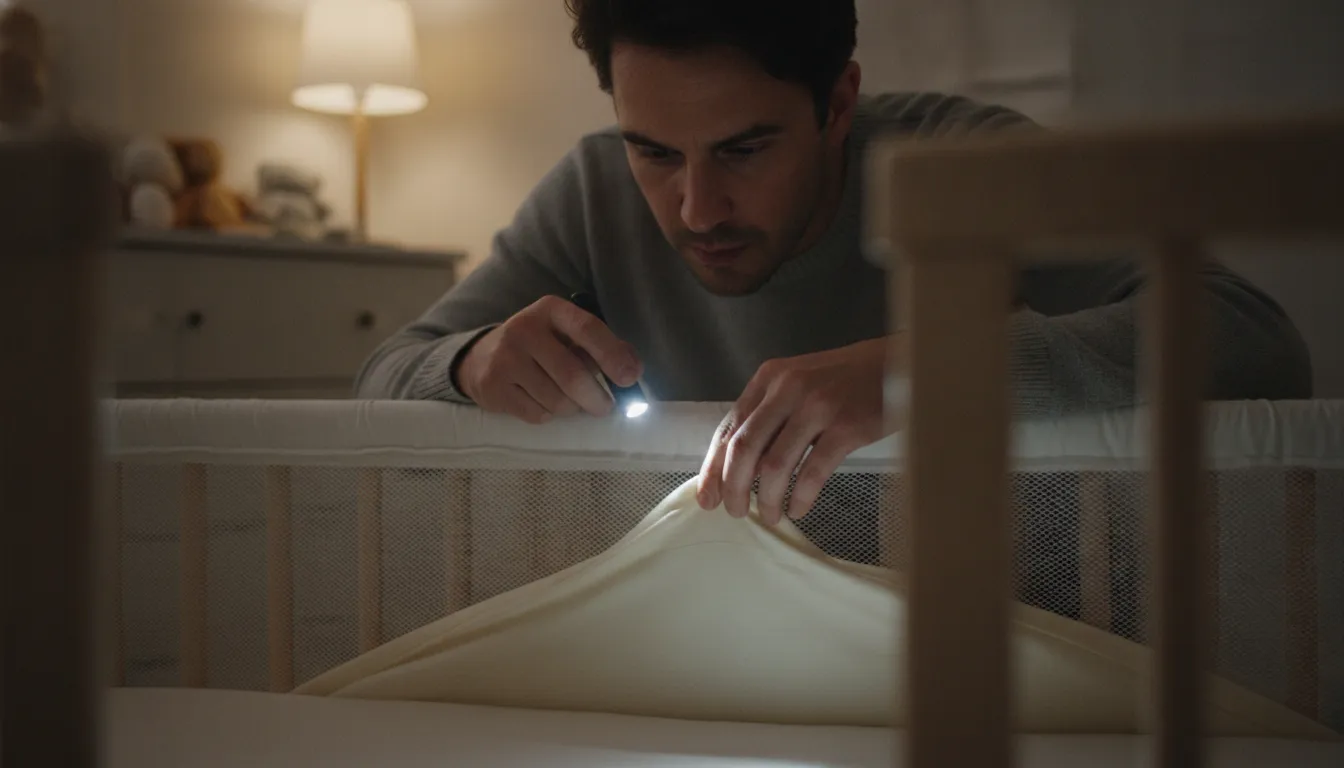
Inspect calmly rather than dismantling the room or discarding furniture. Mayo Clinic advises checking at night, when bed bugs are active. Use a flashlight to examine mattress seams, bed-frame joints, nearby furniture, luggage, and the edges of upholstered items. If you traveled recently, review what to do after a hotel stay to avoid carrying stragglers home. Look for a live insect, shed skins, small dark spotting, or tiny blood marks. If you find one bug, save it in a sealed container or photograph it for identification. Then consider a bed bug removal service from Ace Bedbug Exterminating before moving belongings between rooms.
Prompt identification helps separate an isolated hitchhiker from a growing problem. Avoid carrying suspected items throughout the home, and do not rely on pesticides meant for general household use around a baby. If you need immediate guidance after finding evidence, review these emergency bed bug removal steps and arrange a professional inspection.
How to Prevent Bed Bugs Around Babies
After treatment, prevention means making the nursery easy to inspect while limiting unnecessary exposure to heat or pesticides. Wash and dry bedding carefully, use protective encasements, reduce hiding places, and follow an integrated pest management plan. See how to wash and dry contaminated clothing for safe handling of loaded hampers. These steps can help protect a baby while you address the source of the infestation.
Child-proofing after bed bug treatment combines hot laundering, sealed sleeping surfaces, less clutter, and careful monitoring. Understanding how mattress encasements work helps you fit and maintain them correctly. Water at least 120 F (48.9 C) can kill bed bugs, while high-heat drying, encasements, and vacuuming reduce hiding places. For a complete plan, review this ultimate guide to bed bug removal.
| Prevention area | DIY approach | Professional IPM treatment |
|---|---|---|
| Bedding and laundry | Wash items in water at least 120 F (48.9 C), then use the dryer’s hot cycle for about 30 minutes when the fabric allows. | Technicians identify which washable and portable items need laundering, bagging, or other controlled treatment. |
| Mattress and box spring | Install bed bug-resistant encasements on the mattress and box spring, and keep them sealed according to the product directions. | A specialist inspects seams, frames, and nearby furniture, then recommends compatible encasements and follow-up checks. |
| Clutter and cracks | Reduce clutter and vacuum cracks, crevices, seams, and floor edges. Empty the vacuum safely outside. | Professionals map likely harborages, monitor activity, and use targeted methods rather than treating every surface. |
| Heat treatment | Do not improvise room heating around a baby. The AAP describes professional heating of a living area to about 122 F (50 C) for roughly 90 minutes. | Qualified providers control temperature, exposure time, monitoring, and safety conditions throughout the treatment. |
| Chemical application | Keep pesticides, foggers, and essential-oil products away from the crib unless a product label and pediatric guidance support their use. | A professional selects least-toxic, labeled products when needed and applies them as one part of an IPM plan. |
For nonwashable items. The American Academy of Family Physicians describes controlled options including exposure to at least 120 F for two hours or freezing at 23 F (-5 C) for five days. Families that prefer a guided approach often turn to professional heat treatment for whole-room treatment. Exact conditions matter, so do not guess with toys, sleep products, or baby equipment.
Ace Bedbug Exterminating can help families evaluate the room, identify remaining harborage points, and choose a treatment plan that accounts for an infant’s sleeping area. Keep the baby away from any treated area until the product label or technician gives clear re-entry instructions.
Ready to Schedule a Bed Bug Inspection?
When a baby or child has unexplained bites, a professional inspection can help clarify whether bed bugs are present and identify where treatment should focus. Ace Bedbug Exterminating takes a careful, science-driven approach for families. Schedule a free bed bug inspection for your home by contacting Ace Bedbug Exterminating online or calling our team directly.
Frequently Asked Questions
What do bed bug bites on babies look like?
They often appear as small, red, raised bumps on exposed skin, including the face, neck, arms, or hands. Several bites may form a line or cluster, sometimes called a breakfast, lunch, and dinner pattern. However, a rash alone cannot confirm bed bugs. Look for insects or spotting near the sleeping area too. Learn more from the National Library of Medicine.
Are bed bug bites dangerous for babies?
Bed bug bites are usually uncomfortable rather than dangerous, and bed bugs have not been shown to transmit disease through bites, according to the CDC. The main concern is persistent scratching, which can damage the skin and allow a secondary infection to develop.
How should I treat a baby’s bed bug bites?
Gently wash the skin, use a cool compress, and keep your baby’s nails trimmed to reduce scratching. Ask your pediatrician before using hydrocortisone, calamine, antihistamines, or any other product. Most bites need minimal treatment and typically fade within one to two weeks, according to CDC guidance and the Mayo Clinic.
How can I tell mosquito bites from bed bug bites?
Bed bug bites are more likely to appear in lines or tight clusters, while mosquito bites are often scattered and occur singly. These patterns are clues, not a diagnosis. Check mattress seams, crib surroundings, and nearby furniture for live bugs or dark spotting, and arrange a professional inspection when the evidence is unclear.
When should I call the pediatrician about bed bug bites?
Contact your pediatrician if redness is spreading, the skin feels warm, pus develops, or your child has a fever, since these may indicate infection. Seek immediate medical attention for hives, facial swelling, or breathing trouble. Also call if severe itching continues despite your pediatrician’s recommended care.