
A bed bug spotted near your mattress is small, but it is visible. In a New York City apartment, knowing what you saw can stop a hidden problem from spreading.
Request a professional bed bug inspection from Ace Bed Bug Exterminating if you find visible signs.
Yes, you can see bed bugs in your NYC apartment. Adults are visible without magnification, though pale young bugs and tiny pearl-white eggs can be much easier to miss. The EPA states adult bed bugs measure about 5 to 7 mm, about the size of an apple seed.
Unfed adults are flat, oval, and brown. After a blood meal, their bodies can look fuller, longer, and reddish-brown. Examine mattress seams, box springs, bed-frame cracks, headboards, furniture joints, and nearby wall crevices for bugs or shed skins. A careful inspection can confirm what is hiding and where.
Spotting one suspect bug is only the start; you still need to know whether it matches an adult, nymph, egg, or another household pest. Next, Can you see bed bugs with the naked eye? separates visible clues from signs that merit professional inspection. Here’s how.
Can you see bed bugs with the naked eye?
Yes, you can see many bed bugs with the naked eye. Adults are easiest to spot, while young unfed bugs and eggs are much harder to see. If you find a suspected bug or spotting near your bed, do not wait to investigate. Request a professional bed bug inspection before bugs spread into more hiding areas.
What you see depends on the bed bug’s life stage and whether it recently fed. A visible insect can help you act fast. A small skin mark, on its own, cannot tell you that bed bugs are present.
What bed bugs look like at each stage
Adult bed bugs are usually the easiest stage to identify without a tool. The EPA describes adult bed bugs as about the size of an apple seed. An unfed adult is brown, flat, and oval. After a blood meal, its body looks fuller, longer, and reddish-brown.
Young bed bugs, called nymphs, can also be seen, but they are easy to miss. Unfed nymphs are smaller and may look clear or pale yellow. Their light color can blend into mattress seams, pale fabric, or dust near a bed frame. Use bright light and inspect slowly rather than relying on a quick glance.
Eggs are visible in the strict sense, yet they are harder to notice than adults. The EPA describes eggs as tiny, pearl-white, and about the size of a pinhead. Look for small pale marks along seams, cracks, tufts, or protected corners. Do not assume a single white speck is an egg without closer review.
- Adults: Apple-seed sized, brown, flat, and oval before feeding.
- Fed adults: Longer, fuller, and reddish-brown after feeding.
- Unfed nymphs: Small and pale, so they may be nearly hidden from view.
- Eggs: Pinhead sized and pearl-white, often hard to separate from debris.
Begin your search where a sleeping person is closest to cracks and fabric seams. Pull back sheets and scan the mattress piping with a flashlight. Next, check the box spring edge and furniture joints near the bed. A flat adult may fit into a narrow crack and stay out of open view.
Check more than the skin if you suspect bed bugs. The CDC notes that bed bug bites can look like mosquito or flea bites. Bites may be red and itchy, and their pattern can vary. That means bites alone do not confirm an infestation.
Instead, look for a bug or eggs in places where bed bugs can stay hidden. Inspect mattress seams, box springs, furniture joints, cracks, and crevices. If you find a suspected insect, keep it in a sealed container for review. A trained inspection can check all life stages and guide the next step.
Bed bug size and color by life stage
Can you see bed bugs? Adults are easier to spot than young bugs, but every life stage can be missed. The EPA description of bed bug appearance helps narrow the search. Use size, color, and recent feeding shape together. Do not rely on one clue.
Life stage comparison
An egg does not look like an adult bed bug. A young nymph may blend into a light surface when it has not fed. Checking only for dark bugs near adult size can leave signs behind.
| Life stage | Identification clue |
|---|---|
| Egg. | Tiny, pinhead-sized, and pearl-white. |
| Unfed nymph. | Smaller, pale, and difficult to see. |
| Fed nymph. | Small, with red-brown coloring after feeding. |
| Unfed adult. | About 5-7 mm, brown, flat, and oval. |
| Fed adult. | Apple-seed-sized, reddish-brown, and fuller. |
The EPA gives an adult length of 5-7 mm and compares adults to apple seeds. It describes eggs as pinhead-sized and pearl-white. For nymphs, it gives relative clues: smaller, pale, and hard to see when unfed.
What should you compare visually?
Start with color against the surface. Pearl-white eggs and pale unfed nymphs can fade into light fabric or seams. Next, compare shape. An unfed adult is flat and oval. A recently fed bed bug is more elongated and balloon-like.
Then compare likely size without forcing an exact match. A visible brown bug near apple-seed size fits the adult description. A tiny pale speck may be an egg or nymph. Size alone does not make a sound identification.
- Look for pale eggs and pale young nymphs, not just brown adults.
- Note whether a spotted bug is flat or looks swollen after feeding.
- Save a clear photo or specimen, if possible, without moving items through the home.
These clues are useful because bed bugs do not stay one color or body shape. A recently fed bug can look quite different from an unfed one. Young bugs may be the easiest to overlook, even when a person checks carefully.
Why a close search matters
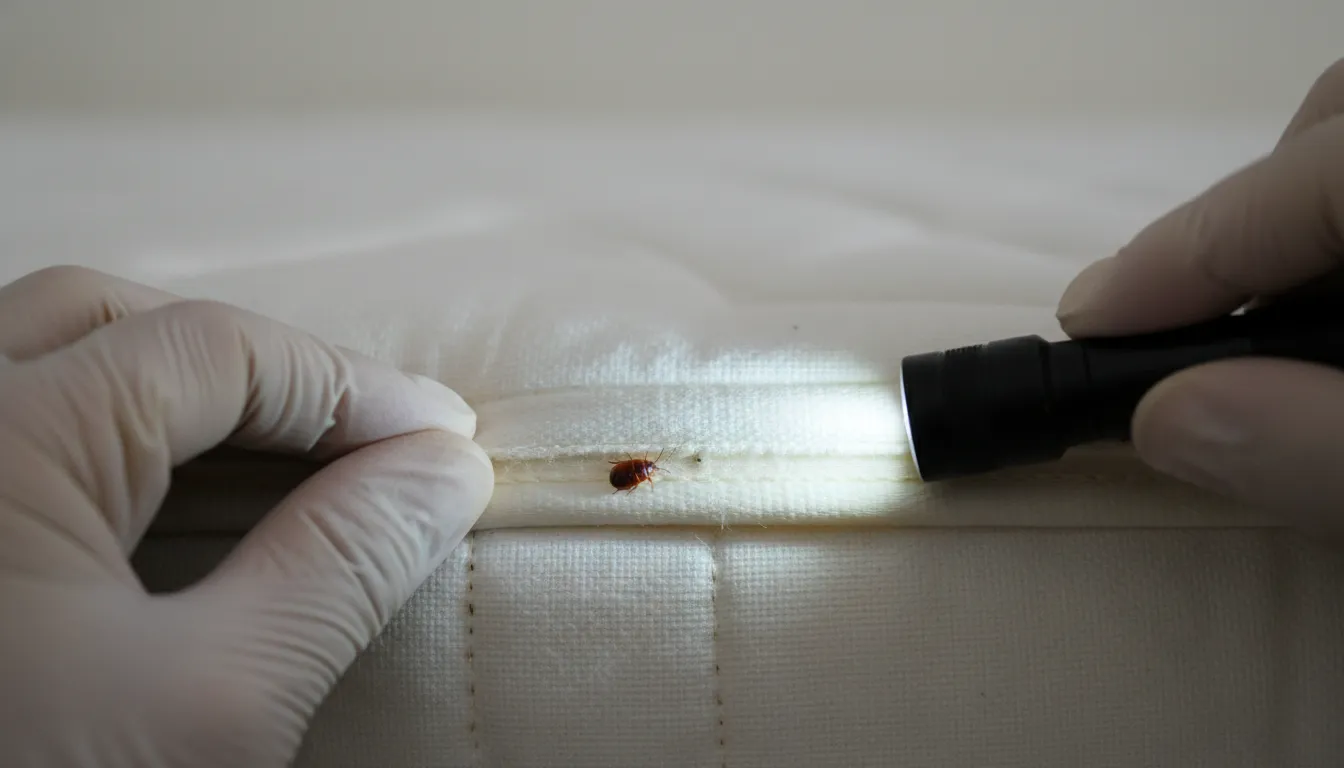
A quick look can answer part of the question, but it may miss the hardest stages to see. Unfed nymphs can be nearly invisible due to their color and size. Eggs are tiny and pale, so an adult-only search is incomplete.
Look along mattress seams, box springs, furniture edges, cracks, and nearby crevices. These are places where bed bugs may hide. Search slowly and use strong light, since the pale stages can be easy to miss on fabric.
If you find a suspect bug, pale eggs, or signs near sleeping areas, request a professional bed bug inspection. An inspector can look for eggs, nymphs, and adults together. That wider check helps show whether bed bugs are present.
What evidence should you look for besides a live bug?
If you are asking whether you can see bed bugs, do not wait for an adult insect to crawl into view. A careful search may find the traces they leave behind first. Look for a group of signs, not one mark on a sheet or one spot on skin.
Signs left in hiding areas
During an inspection, look for reddish stains on bedding and dark spots along seams or nearby cracks. Also check for tiny eggs, pale empty eggshells, and shed skins where bugs may hide. The EPA notes that bed bug eggs are pearl-white and about the size of a pinhead. Use good light and take your time.
- Reddish stains: Check sheets, pillowcases, and mattress covers for small rusty smears.
- Dark spots: Look closely at mattress piping, tags, bed frames, and headboard joints.
- Eggs and eggshells: Search narrow seams and cracks for tiny, pale objects that stay in place.
- Shed skins: Watch for light, empty insect-shaped shells in quiet hiding areas.
Use these signs as clues that guide a closer search. A stain may come from another cause, and a dark speck may be dirt. Several signs in the same protected area are more useful than one stray mark. For a room-by-room method, follow this bed bug inspection checklist before moving belongings.
Bites are different from physical evidence in the room. The CDC description of bed bug bites notes they can resemble mosquito or flea bites. They may look red, itchy, and slightly swollen. Skin marks alone cannot show where an insect is hiding or confirm the insect that caused them.
The location of a sign matters. Marks found around mattress seams or a bed frame deserve a closer look than marks in an open area. Eggshells and skins are easy to miss because they are small and pale. Check the same seam from more than one angle.
Start with places closest to where a person rests: mattress seams, box spring folds, bed frame joints, and headboard gaps. Use a bright flashlight and check slowly. Do not brush signs away before recording what you found. Clear photos and marked locations can help with a later inspection.
If you find eggs, shed skins, or repeated dark spots, keep the area as still as possible. The same applies if you find a live insect. Limit clutter and avoid carrying nearby items into another room. A focused inspection can then confirm what the signs mean and guide the next step.
Where do visible bed bugs hide in a NYC home?
Start at the bed and nearby frame
If you are asking, “can you see bed bugs,” begin where a sleeping person rests. Look slowly along mattress piping, seams, labels, and tufts. Then check the box spring edge, fabric backing, and any torn covering. The EPA notes that young, unfed bed bugs can be nearly invisible because of their color and size.
Use a flashlight and inspect the headboard, bed frame joints, screw holes, and narrow cracks. A bug tucked beside a seam may be missed in a quick look across the mattress top. Treat gaps about the width of a credit card as places worth checking closely.
In a compact NYC bedroom, also check the nightstand or dresser closest to the bed. Pull each drawer out only as far as is safe. Inspect seams, corners, runner channels, and the underside, especially when the furniture sits beside the bed.
Living room hiding zones
Bed bugs do not need to be on a mattress to be noticed in a home. In a studio or shared apartment, a sofa may be used for rest or overnight guests. Check cushion piping, zipper seams, folds, skirt fabric, and the frame beneath removable cushions.
Inspect upholstered chairs in the same way, starting at the seat seams and moving underneath. Then scan nearby wood furniture for joints, drawer corners, and gaps along the back panel. A slow search is more useful than shaking cushions or carrying furniture from room to room.
Where an outlet cover or wall plate is close to a bed or sofa, look for visible activity around it. Do not insert tools into an outlet. Do not remove a cover during a home check. Ace serves apartments throughout its NYC service area, where beds and seating may be only a few steps apart.
What to do after a visible sighting
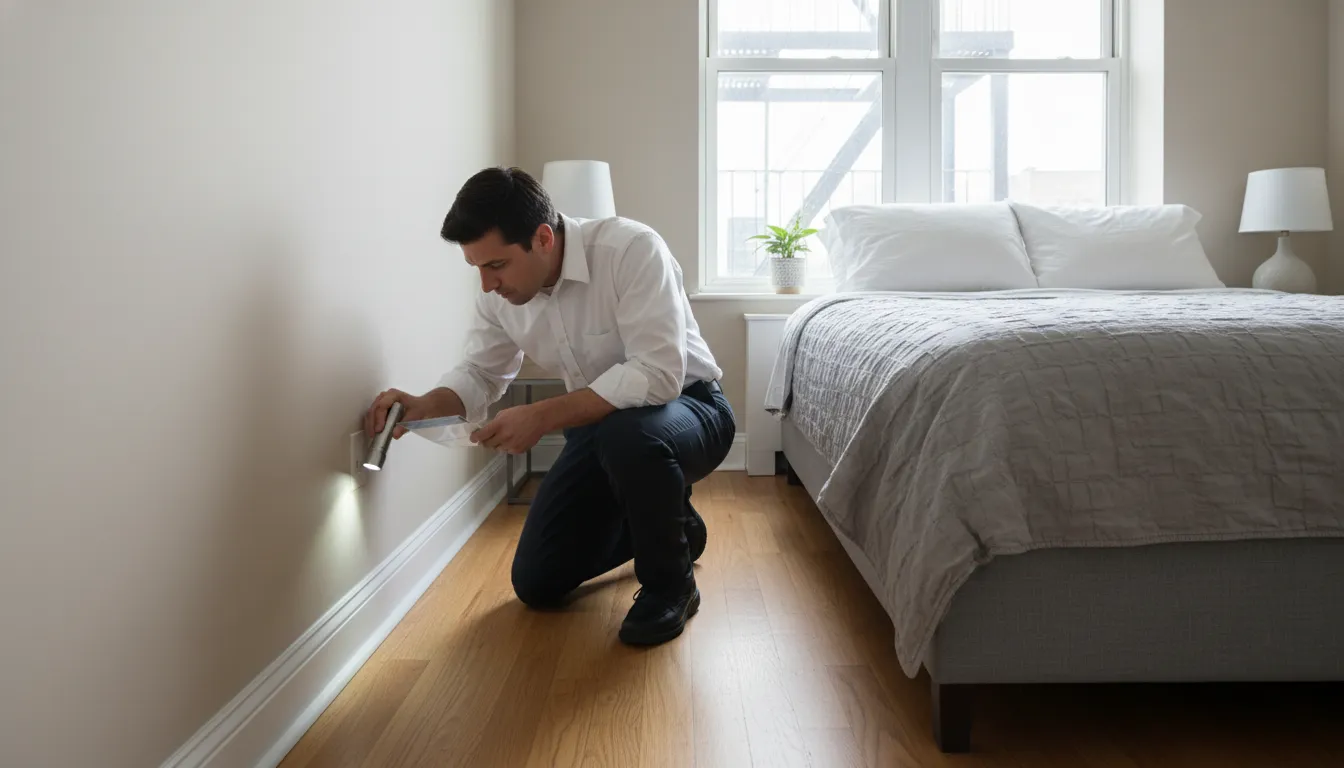
A visible bug in one room should prompt a careful check of places where people sit or sleep. Follow one path: mattress seams, box springs, headboards, nearby drawers, seating, and observed wall gaps. This approach helps you note evidence without spreading items through the apartment.
Save a clear photo, or place a suspected insect in a sealed container if you can do so safely. Avoid moving bedding, cushions, or furniture into another room before an inspection. Moving items can make it harder to track where bugs were seen.
For an apartment sighting in Manhattan, a Manhattan bed bug inspection can check bedrooms and living areas without relying on guesswork. Share the rooms, furniture, and cracks where you found evidence. Those details help focus the next inspection step. For a neighborhood-specific next step, review an Upper West Side inspection.
How should you check for bed bugs without spreading them?
If you are asking, “can you see bed bugs,” a careful check can help you decide what to do next. Start in the place where you noticed a possible bug or mark. Do not carry bedding, bags, or clothes into another room while you look.
Why a careful check matters
A quick search can create spread risk when items move from room to room. The CDC explains that bed bugs can hitchhike in seams and folds of bedding, clothing, luggage, and furniture. Leave suspect items where they are until you have a clear plan.
Some adults may be seen, but a visual search has limits. Young bed bugs can be pale and hard to spot when unfed. The EPA bed bug appearance guide shows what different life stages can look like.
A low-disturbance inspection sequence
Keep the inspection focused and calm. This is a check for possible signs, not a treatment attempt. Use this short sequence before calling for help:
- Turn on a bright light or use a flashlight. Check the spot where you first noticed a sign, rather than searching every room.
- Look along mattress seams, piping, tags, and the edges of a box spring. Check slowly without dragging bedding across the floor.
- Check nearby cracks and furniture joints that are easy to see. Avoid pulling a room apart or moving furniture through the home.
- Take clear photos if you see a possible bug, shed skin, or spotting. Include a close view and one image showing its location.
- If you can catch a sample without chasing or crushing it, seal it in a container. If not, stop and use your photos.
Do not spray a found insect, apply powders, or start moving belongings during this check. Disturbing the area can make later identification harder. It may also leave you unsure which rooms need review.
What to do with a possible find
A photo or sealed sample can give a bed bug specialist a useful starting point. Keep notes on where you saw the sign and when you found it. Avoid sleeping in another room because of a suspected sighting. Your belongings may move with you.
If you find a possible bed bug or cannot rule one out, arrange a professional bed bug inspection. Ace Bed Bug Exterminating can review suspected activity and inspect likely hiding areas. This helps confirm a next step without spreading belongings around your home.
What can be mistaken for a bed bug?
Red skin marks, lint, crumbs, or a different small insect can all prompt concern. A vague speck on bedding is not enough for a sure identification. If you are asking, “can you see bed bugs,” start with the insect and signs near the bed, not a bite alone.
Bed bugs can be seen at some life stages, but young ones are easy to miss. The EPA describes adult bed bug appearance as about the size of an apple seed. An unfed adult is flat, oval, and brown. After feeding, its body becomes longer, fuller, and reddish-brown.
A visual checklist near the bed
Check what you found against a short set of details before taking action. Good light and a close photo can help you keep a useful record. Do not rely on skin marks alone. Marks do not show which insect caused them.
- Adult size: Look for an insect about the size of an apple seed, not just a dark dot.
- Adult shape: An unfed adult has a flat, oval outline. A recently fed one may look fuller and longer.
- Adult color: Brown before a recent meal and reddish-brown afterward are useful clues.
- Eggs: Eggs are tiny and pearl-white, about the size of a pinhead.
- Nymphs: Young bed bugs can be pale or almost clear. They may blend into light fabric.
- Location: Inspect mattress seams, box springs, nearby furniture, cracks, and crevices around sleeping areas.
A crumb or piece of lint does not match the adult shape or pale life stages above. A small insect may still need expert review, especially if damaged or hard to photograph. Save a clear photo or specimen when possible. Note where you found it.
In an NYC apartment building, a guess can cause missed hiding places or worry about the wrong issue. A trained inspector checks sleeping-area hiding spots. The inspection includes a search for eggs, nymphs, and adults. Ace outlines its professional bed bug inspection for homes and other NYC properties.
If the visual clues match, arrange confirmation before trying to treat it yourself. The same applies when you cannot identify what you found. Photos, the room location, and a saved specimen can help with the inspection. To request help, contact Ace Bed Bug Exterminating with the details of what you found.
When should you call a professional after spotting signs?
If you are asking, “can you see bed bugs,” a clear sighting can guide your next step. Adult insects may be easier to notice than young ones. The EPA says unfed nymphs can be nearly invisible because of their color and size. Its bed bug appearance guide helps you compare a suspected insect with known traits.
Request professional confirmation when you find a live insect that may be a bed bug. The same advice applies after repeated physical signs near a bed or upholstered furniture. Signs may include shed skins, eggs, or dark spots that keep appearing. A trained inspector can check hiding spots and look for life stages from eggs to adults.
Before the inspection, avoid moving suspect bedding, bags, or furniture into another room. Take clear photos of the item and the place where you found it. If you can do so without crushing it, seal a specimen in a small container. Keep notes on the date, room, and signs you saw.
A careful response in an NYC apartment
A suspected bed bug in an apartment calls for care, not panic. Bed bugs can hide in seams and folds of luggage, clothing, bedding, and furniture. The CDC guidance on bed bugs explains this type of hidden travel. Do not carry unchecked items through shared areas or store them in another room.
A bite by itself is not firm proof of bed bugs. The CDC says bed bug bites can look much like mosquito or flea bites. A live specimen or repeated physical evidence gives an inspector more to examine. Leave the suspected area intact when practical, so the inspection begins where signs were found.
If evidence is present, call a bed bug specialist before discarding furniture or shifting belongings around your apartment. Ace focuses on bed bug work in New York City and serves all five boroughs. Its professional bed bug inspection information explains the service and offers a route to request help.
When you contact the team, share your photos, notes, and any sealed specimen. Mention where signs appeared, such as a mattress seam, box spring, chair, or nearby crack. This gives the inspector a focused place to start and helps limit unnecessary movement of items before the visit.
Frequently Asked Questions
Can you see bed bugs with the naked eye?
Yes. Adult bed bugs are visible without magnification, although they may be easy to miss in seams and cracks. The EPA says adults are about the size of an apple seed, measuring 5 to 7 mm long. Young, unfed bed bugs can be much harder to see because they are smaller and lighter in color.
What color are bed bugs before and after feeding?
Adults that have not fed recently are generally brown, flat, and oval-shaped. After a blood meal, they may appear reddish-brown, longer, and more rounded. The EPA appearance guide describes these changes, but color alone does not confirm a bed bug. Shape, size, location, and other signs should also be considered.
What places do bed bugs hide in an NYC apartment?
Bed bugs commonly hide near where people rest, including mattress seams, box springs, bed frames, headboards, and upholstered furniture. In an apartment, also check narrow cracks, crevices, and nearby furnishings without scattering belongings. Their flat bodies let them fit into very small spaces, according to the CDC. A trained inspection can confirm uncertain findings.
Can you see bed bug eggs and baby bed bugs?
Yes, but they are more difficult to identify than adults. The EPA describes eggs as pinhead-sized and pearl-white. Young bed bugs, called nymphs, can be translucent or whitish-yellow and nearly invisible when unfed. If a tiny pale item is found near a bed, save a clear photo or specimen for identification.
What should I do if I find a possible bed bug in my NYC apartment?
Do not move suspect furniture or bedding through the building, because unnoticed insects may travel with those items. The CDC notes bed bugs spread in the seams and folds of bedding, clothing, luggage, and furniture. Take a clear photo or contain the specimen if possible, then arrange a professional bed bug inspection before choosing treatment steps.
Ready to stop bed bugs from spreading in your NYC home?
Seeing a possible bed bug and waiting for more proof can leave you checking bedding, furniture, and clothing while the concern grows. If hidden activity continues, uncertainty can follow you from the bedroom to nearby seating and storage areas. Early action helps you get likely hiding places assessed before the issue disrupts more of your home. Starting now also gives you a practical next step sooner, instead of relying on repeated searches that may miss hidden bugs.
Ready to get a clear next step? Tell Ace Bed Bug Exterminating what you have seen and where you found it. Request a professional bed bug inspection to start addressing suspected activity in your NYC home with informed guidance.A bed bug spotted near your mattress is small, but it is visible. In a New York City apartment, knowing what you saw can stop a hidden problem from spreading.
Request a professional bed bug inspection from Ace Bed Bug Exterminating if you find visible signs.
Yes, you can see bed bugs in your NYC apartment. Adults are visible without magnification, though pale young bugs and tiny pearl-white eggs can be much easier to miss. The EPA states adult bed bugs measure about 5 to 7 mm, about the size of an apple seed.
Unfed adults are flat, oval, and brown. After a blood meal, their bodies can look fuller, longer, and reddish-brown. Examine mattress seams, box springs, bed-frame cracks, headboards, furniture joints, and nearby wall crevices for bugs or shed skins. A careful inspection can confirm what is hiding and where.
Spotting one suspect bug is only the start; you still need to know whether it matches an adult, nymph, egg, or another household pest. Next, Can you see bed bugs with the naked eye? separates visible clues from signs that merit professional inspection. Here’s how.
Can you see bed bugs with the naked eye?
Yes, you can see many bed bugs with the naked eye. Adults are easiest to spot, while young unfed bugs and eggs are much harder to see. If you find a suspected bug or spotting near your bed, do not wait to investigate. Request a professional bed bug inspection before bugs spread into more hiding areas.
What you see depends on the bed bug’s life stage and whether it recently fed. A visible insect can help you act fast. A small skin mark, on its own, cannot tell you that bed bugs are present.
What bed bugs look like at each stage
Adult bed bugs are usually the easiest stage to identify without a tool. The EPA describes adult bed bugs as about the size of an apple seed. An unfed adult is brown, flat, and oval. After a blood meal, its body looks fuller, longer, and reddish-brown.
Young bed bugs, called nymphs, can also be seen, but they are easy to miss. Unfed nymphs are smaller and may look clear or pale yellow. Their light color can blend into mattress seams, pale fabric, or dust near a bed frame. Use bright light and inspect slowly rather than relying on a quick glance.
Eggs are visible in the strict sense, yet they are harder to notice than adults. The EPA describes eggs as tiny, pearl-white, and about the size of a pinhead. Look for small pale marks along seams, cracks, tufts, or protected corners. Do not assume a single white speck is an egg without closer review.
- Adults: Apple-seed sized, brown, flat, and oval before feeding.
- Fed adults: Longer, fuller, and reddish-brown after feeding.
- Unfed nymphs: Small and pale, so they may be nearly hidden from view.
- Eggs: Pinhead sized and pearl-white, often hard to separate from debris.
Begin your search where a sleeping person is closest to cracks and fabric seams. Pull back sheets and scan the mattress piping with a flashlight. Next, check the box spring edge and furniture joints near the bed. A flat adult may fit into a narrow crack and stay out of open view.
Check more than the skin if you suspect bed bugs. The CDC notes that bed bug bites can look like mosquito or flea bites. Bites may be red and itchy, and their pattern can vary. That means bites alone do not confirm an infestation.
Instead, look for a bug or eggs in places where bed bugs can stay hidden. Inspect mattress seams, box springs, furniture joints, cracks, and crevices. If you find a suspected insect, keep it in a sealed container for review. A trained inspection can check all life stages and guide the next step.
Bed bug size and color by life stage
Can you see bed bugs? Adults are easier to spot than young bugs, but every life stage can be missed. The EPA description of bed bug appearance helps narrow the search. Use size, color, and recent feeding shape together. Do not rely on one clue.
Life stage comparison
An egg does not look like an adult bed bug. A young nymph may blend into a light surface when it has not fed. Checking only for dark bugs near adult size can leave signs behind.
| Life stage | Identification clue |
|---|---|
| Egg. | Tiny, pinhead-sized, and pearl-white. |
| Unfed nymph. | Smaller, pale, and difficult to see. |
| Fed nymph. | Small, with red-brown coloring after feeding. |
| Unfed adult. | About 5-7 mm, brown, flat, and oval. |
| Fed adult. | Apple-seed-sized, reddish-brown, and fuller. |
The EPA gives an adult length of 5-7 mm and compares adults to apple seeds. It describes eggs as pinhead-sized and pearl-white. For nymphs, it gives relative clues: smaller, pale, and hard to see when unfed.
What should you compare visually?
Start with color against the surface. Pearl-white eggs and pale unfed nymphs can fade into light fabric or seams. Next, compare shape. An unfed adult is flat and oval. A recently fed bed bug is more elongated and balloon-like.
Then compare likely size without forcing an exact match. A visible brown bug near apple-seed size fits the adult description. A tiny pale speck may be an egg or nymph. Size alone does not make a sound identification.
- Look for pale eggs and pale young nymphs, not just brown adults.
- Note whether a spotted bug is flat or looks swollen after feeding.
- Save a clear photo or specimen, if possible, without moving items through the home.
These clues are useful because bed bugs do not stay one color or body shape. A recently fed bug can look quite different from an unfed one. Young bugs may be the easiest to overlook, even when a person checks carefully.
Why a close search matters
A quick look can answer part of the question, but it may miss the hardest stages to see. Unfed nymphs can be nearly invisible due to their color and size. Eggs are tiny and pale, so an adult-only search is incomplete.
Look along mattress seams, box springs, furniture edges, cracks, and nearby crevices. These are places where bed bugs may hide. Search slowly and use strong light, since the pale stages can be easy to miss on fabric.
If you find a suspect bug, pale eggs, or signs near sleeping areas, request a professional bed bug inspection. An inspector can look for eggs, nymphs, and adults together. That wider check helps show whether bed bugs are present.
What evidence should you look for besides a live bug?
If you are asking whether you can see bed bugs, do not wait for an adult insect to crawl into view. A careful search may find the traces they leave behind first. Look for a group of signs, not one mark on a sheet or one spot on skin.
Signs left in hiding areas
During an inspection, look for reddish stains on bedding and dark spots along seams or nearby cracks. Also check for tiny eggs, pale empty eggshells, and shed skins where bugs may hide. The EPA notes that bed bug eggs are pearl-white and about the size of a pinhead. Use good light and take your time.
- Reddish stains: Check sheets, pillowcases, and mattress covers for small rusty smears.
- Dark spots: Look closely at mattress piping, tags, bed frames, and headboard joints.
- Eggs and eggshells: Search narrow seams and cracks for tiny, pale objects that stay in place.
- Shed skins: Watch for light, empty insect-shaped shells in quiet hiding areas.
Use these signs as clues that guide a closer search. A stain may come from another cause, and a dark speck may be dirt. Several signs in the same protected area are more useful than one stray mark. For a room-by-room method, follow this bed bug inspection checklist before moving belongings.
Bites are different from physical evidence in the room. The CDC description of bed bug bites notes they can resemble mosquito or flea bites. They may look red, itchy, and slightly swollen. Skin marks alone cannot show where an insect is hiding or confirm the insect that caused them.
The location of a sign matters. Marks found around mattress seams or a bed frame deserve a closer look than marks in an open area. Eggshells and skins are easy to miss because they are small and pale. Check the same seam from more than one angle.
Start with places closest to where a person rests: mattress seams, box spring folds, bed frame joints, and headboard gaps. Use a bright flashlight and check slowly. Do not brush signs away before recording what you found. Clear photos and marked locations can help with a later inspection.
If you find eggs, shed skins, or repeated dark spots, keep the area as still as possible. The same applies if you find a live insect. Limit clutter and avoid carrying nearby items into another room. A focused inspection can then confirm what the signs mean and guide the next step.
Where do visible bed bugs hide in a NYC home?
Start at the bed and nearby frame
If you are asking, “can you see bed bugs,” begin where a sleeping person rests. Look slowly along mattress piping, seams, labels, and tufts. Then check the box spring edge, fabric backing, and any torn covering. The EPA notes that young, unfed bed bugs can be nearly invisible because of their color and size.
Use a flashlight and inspect the headboard, bed frame joints, screw holes, and narrow cracks. A bug tucked beside a seam may be missed in a quick look across the mattress top. Treat gaps about the width of a credit card as places worth checking closely.
In a compact NYC bedroom, also check the nightstand or dresser closest to the bed. Pull each drawer out only as far as is safe. Inspect seams, corners, runner channels, and the underside, especially when the furniture sits beside the bed.
Living room hiding zones
Bed bugs do not need to be on a mattress to be noticed in a home. In a studio or shared apartment, a sofa may be used for rest or overnight guests. Check cushion piping, zipper seams, folds, skirt fabric, and the frame beneath removable cushions.
Inspect upholstered chairs in the same way, starting at the seat seams and moving underneath. Then scan nearby wood furniture for joints, drawer corners, and gaps along the back panel. A slow search is more useful than shaking cushions or carrying furniture from room to room.
Where an outlet cover or wall plate is close to a bed or sofa, look for visible activity around it. Do not insert tools into an outlet. Do not remove a cover during a home check. Ace serves apartments throughout its NYC service area, where beds and seating may be only a few steps apart.
What to do after a visible sighting
A visible bug in one room should prompt a careful check of places where people sit or sleep. Follow one path: mattress seams, box springs, headboards, nearby drawers, seating, and observed wall gaps. This approach helps you note evidence without spreading items through the apartment.
Save a clear photo, or place a suspected insect in a sealed container if you can do so safely. Avoid moving bedding, cushions, or furniture into another room before an inspection. Moving items can make it harder to track where bugs were seen.
For an apartment sighting in Manhattan, a Manhattan bed bug inspection can check bedrooms and living areas without relying on guesswork. Share the rooms, furniture, and cracks where you found evidence. Those details help focus the next inspection step.
How should you check for bed bugs without spreading them?
If you are asking, “can you see bed bugs,” a careful check can help you decide what to do next. Start in the place where you noticed a possible bug or mark. Do not carry bedding, bags, or clothes into another room while you look.
Why a careful check matters
A quick search can create spread risk when items move from room to room. The CDC explains that bed bugs can hitchhike in seams and folds of bedding, clothing, luggage, and furniture. Leave suspect items where they are until you have a clear plan.
Some adults may be seen, but a visual search has limits. Young bed bugs can be pale and hard to spot when unfed. The EPA bed bug appearance guide shows what different life stages can look like.
A low-disturbance inspection sequence
Keep the inspection focused and calm. This is a check for possible signs, not a treatment attempt. Use this short sequence before calling for help:
- Turn on a bright light or use a flashlight. Check the spot where you first noticed a sign, rather than searching every room.
- Look along mattress seams, piping, tags, and the edges of a box spring. Check slowly without dragging bedding across the floor.
- Check nearby cracks and furniture joints that are easy to see. Avoid pulling a room apart or moving furniture through the home.
- Take clear photos if you see a possible bug, shed skin, or spotting. Include a close view and one image showing its location.
- If you can catch a sample without chasing or crushing it, seal it in a container. If not, stop and use your photos.
Do not spray a found insect, apply powders, or start moving belongings during this check. Disturbing the area can make later identification harder. It may also leave you unsure which rooms need review.
What to do with a possible find
A photo or sealed sample can give a bed bug specialist a useful starting point. Keep notes on where you saw the sign and when you found it. Avoid sleeping in another room because of a suspected sighting. Your belongings may move with you.
If you find a possible bed bug or cannot rule one out, arrange a professional bed bug inspection. Ace Bed Bug Exterminating can review suspected activity and inspect likely hiding areas. This helps confirm a next step without spreading belongings around your home.
What can be mistaken for a bed bug?
Red skin marks, lint, crumbs, or a different small insect can all prompt concern. A vague speck on bedding is not enough for a sure identification. If you are asking, “can you see bed bugs,” start with the insect and signs near the bed, not a bite alone.
Bed bugs can be seen at some life stages, but young ones are easy to miss. The EPA describes adult bed bug appearance as about the size of an apple seed. An unfed adult is flat, oval, and brown. After feeding, its body becomes longer, fuller, and reddish-brown.
A visual checklist near the bed
Check what you found against a short set of details before taking action. Good light and a close photo can help you keep a useful record. Do not rely on skin marks alone. Marks do not show which insect caused them.
- Adult size: Look for an insect about the size of an apple seed, not just a dark dot.
- Adult shape: An unfed adult has a flat, oval outline. A recently fed one may look fuller and longer.
- Adult color: Brown before a recent meal and reddish-brown afterward are useful clues.
- Eggs: Eggs are tiny and pearl-white, about the size of a pinhead.
- Nymphs: Young bed bugs can be pale or almost clear. They may blend into light fabric.
- Location: Inspect mattress seams, box springs, nearby furniture, cracks, and crevices around sleeping areas.
A crumb or piece of lint does not match the adult shape or pale life stages above. A small insect may still need expert review, especially if damaged or hard to photograph. Save a clear photo or specimen when possible. Note where you found it.
In an NYC apartment building, a guess can cause missed hiding places or worry about the wrong issue. A trained inspector checks sleeping-area hiding spots. The inspection includes a search for eggs, nymphs, and adults. Ace outlines its professional bed bug inspection for homes and other NYC properties.
If the visual clues match, arrange confirmation before trying to treat it yourself. The same applies when you cannot identify what you found. Photos, the room location, and a saved specimen can help with the inspection. To request help, contact Ace Bed Bug Exterminating with the details of what you found.
When should you call a professional after spotting signs?
If you are asking, “can you see bed bugs,” a clear sighting can guide your next step. Adult insects may be easier to notice than young ones. The EPA says unfed nymphs can be nearly invisible because of their color and size. Its bed bug appearance guide helps you compare a suspected insect with known traits.
Request professional confirmation when you find a live insect that may be a bed bug. The same advice applies after repeated physical signs near a bed or upholstered furniture. Signs may include shed skins, eggs, or dark spots that keep appearing. A trained inspector can check hiding spots and look for life stages from eggs to adults.
Before the inspection, avoid moving suspect bedding, bags, or furniture into another room. Take clear photos of the item and the place where you found it. If you can do so without crushing it, seal a specimen in a small container. Keep notes on the date, room, and signs you saw.
A careful response in an NYC apartment
A suspected bed bug in an apartment calls for care, not panic. Bed bugs can hide in seams and folds of luggage, clothing, bedding, and furniture. The CDC guidance on bed bugs explains this type of hidden travel. Do not carry unchecked items through shared areas or store them in another room.
A bite by itself is not firm proof of bed bugs. The CDC says bed bug bites can look much like mosquito or flea bites. A live specimen or repeated physical evidence gives an inspector more to examine. Leave the suspected area intact when practical, so the inspection begins where signs were found.
If evidence is present, call a bed bug specialist before discarding furniture or shifting belongings around your apartment. Ace focuses on bed bug work in New York City and serves all five boroughs. Its professional bed bug inspection information explains the service and offers a route to request help.
When you contact the team, share your photos, notes, and any sealed specimen. Mention where signs appeared, such as a mattress seam, box spring, chair, or nearby crack. This gives the inspector a focused place to start and helps limit unnecessary movement of items before the visit.
Frequently Asked Questions
Can you see bed bugs with the naked eye?
Yes. Adult bed bugs are visible without magnification, although they may be easy to miss in seams and cracks. The EPA says adults are about the size of an apple seed, measuring 5 to 7 mm long. Young, unfed bed bugs can be much harder to see because they are smaller and lighter in color.
What color are bed bugs before and after feeding?
Adults that have not fed recently are generally brown, flat, and oval-shaped. After a blood meal, they may appear reddish-brown, longer, and more rounded. The EPA appearance guide describes these changes, but color alone does not confirm a bed bug. Shape, size, location, and other signs should also be considered.
What places do bed bugs hide in an NYC apartment?
Bed bugs commonly hide near where people rest, including mattress seams, box springs, bed frames, headboards, and upholstered furniture. In an apartment, also check narrow cracks, crevices, and nearby furnishings without scattering belongings. Their flat bodies let them fit into very small spaces, according to the CDC. A trained inspection can confirm uncertain findings.
Can you see bed bug eggs and baby bed bugs?
Yes, but they are more difficult to identify than adults. The EPA describes eggs as pinhead-sized and pearl-white. Young bed bugs, called nymphs, can be translucent or whitish-yellow and nearly invisible when unfed. If a tiny pale item is found near a bed, save a clear photo or specimen for identification.
What should I do if I find a possible bed bug in my NYC apartment?
Do not move suspect furniture or bedding through the building, because unnoticed insects may travel with those items. The CDC notes bed bugs spread in the seams and folds of bedding, clothing, luggage, and furniture. Take a clear photo or contain the specimen if possible, then arrange a professional bed bug inspection before choosing treatment steps.
Ready to stop bed bugs from spreading in your NYC home?
Seeing a possible bed bug and waiting for more proof can leave you checking bedding, furniture, and clothing while the concern grows. If hidden activity continues, uncertainty can follow you from the bedroom to nearby seating and storage areas. Early action helps you get likely hiding places assessed before the issue disrupts more of your home. Starting now also gives you a practical next step sooner, instead of relying on repeated searches that may miss hidden bugs.
Ready to get a clear next step? Tell Ace Bed Bug Exterminating what you have seen and where you found it. Request a professional bed bug inspection to start addressing suspected activity in your NYC home with informed guidance.
7 Responses